




A Superfood in a Cup
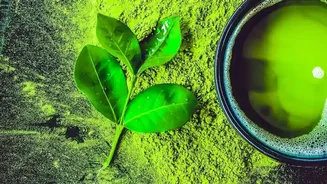
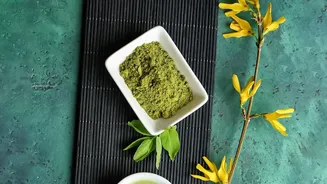
One of the biggest drivers behind matcha's popularity is its reputation as a wellness powerhouse. Unlike regular green tea, where you steep and discard the leaves, with matcha you consume the entire leaf ground into a fine powder. This means you get a much
more concentrated dose of its benefits. Matcha is packed with antioxidants, particularly catechins like EGCG, which are known to combat cell damage and reduce inflammation. Some studies suggest it has up to 10 times the antioxidants of regular green tea. But the magic doesn't stop there. Matcha contains a unique amino acid called L-theanine, which promotes a state of 'calm alertness'. This provides a sustained energy boost without the jittery crash sometimes associated with coffee, making it a popular morning swap for health-conscious urbanites.
The Instagram Effect
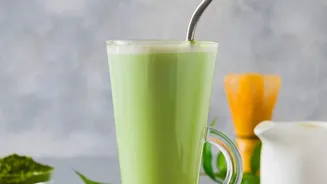
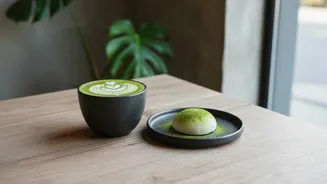
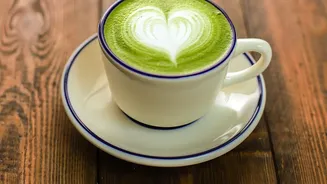
Let's be honest: matcha is incredibly photogenic. Its vivid green hue, often swirled into milky lattes or layered in colourful drinks, is practically designed for a social media close-up. The aesthetic appeal is a significant factor in its rapid spread, especially among Gen Z and millennial consumers. Cafés have leaned into this, creating minimalist, design-led spaces that provide the perfect backdrop for a matcha post. New dedicated matcha spots like Ela Matcha, House of Awaki, and Purpose Matcha + Coffee House are becoming destinations not just for the drink, but for the entire visual experience. Seeing the drink repeatedly on influencer feeds creates a sense of curiosity and desire, effectively turning social media into a powerful marketing engine for the trend.
A Global Palate in India's Tech Hub
Bengaluru's status as India's premier tech and startup capital has cultivated a cosmopolitan population with well-travelled tastes and an openness to global trends. The city is a hub for expats and young professionals who may have been exposed to matcha culture in cities like New York, London, or across Asia. This exposure creates a built-in demand for international food and beverage concepts. Recent data shows Bengaluru has become the country's top tea-consuming city, with a significant shift towards wellness brews and modern varieties. Matcha fits perfectly into this evolving palate, offering something new and sophisticated that stands apart from traditional chai or coffee. It's seen as a craft beverage, much like specialty coffee, attracting a crowd that values quality sourcing and careful preparation.
From a Simple Latte to Local Twists
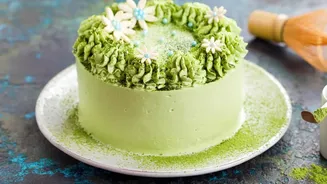
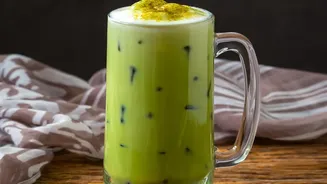
While a classic matcha latte remains the entry point for many, Bengaluru's cafés are getting creative by fusing the Japanese tea with distinctly Indian flavours. This innovation is key to making the trend feel local and accessible. You can now find creations like mango matcha, where the sweetness of the fruit balances the tea's earthy notes, or even a matcha aam panna, which combines the drink with the smoky, tangy flavour of roasted green mangoes. Brands are also experimenting with matcha in desserts, offering everything from matcha-infused gelato and financiers to modern takes on Indian sweets like rabri and barfi. These fusion items not only cater to the local palate but also showcase matcha's versatility as an ingredient, moving it beyond just a beverage and into a full-blown culinary trend.