




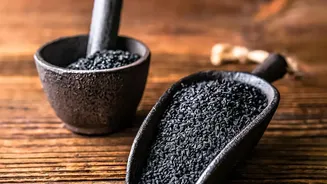

From kitchen spice racks to morning wellness routines, cumin water is a household staple in India. Praised for its digestive benefits and metabolism-boosting promises, what does this simple drink really do for our health? Let's look at the facts.
The Core Claim: A Metabolism Booster?
The most
exciting promise tied to jeera water is its ability to boost metabolism, the process by which your body converts food into energy. The idea is that a faster metabolism burns more calories. While some wellness influencers swear by it, the scientific evidence is not as strong as the claims. According to Ayurveda, cumin has a 'warming' effect which can stimulate 'agni' or digestive fire, which is conceptually similar to boosting metabolism. However, modern research has not proven that drinking cumin-infused water causes a significant or sustained increase in metabolic rate on its own. While some compounds in cumin may play a small role in metabolic processes, it is not a magic bullet for a sluggish metabolism.
What About Weight Loss?
The conversation around metabolism naturally leads to weight loss. Several small studies have explored cumin's effect on weight, often with promising but modest results. For example, some studies showed that participants taking concentrated cumin supplements (like powders or capsules, not just jeera water) alongside a calorie-controlled diet lost slightly more weight than those who didn't. The key takeaway is that cumin can be a supportive player in a weight management plan, but not the star of the show. Simply drinking jeera water without changing your diet or activity level is unlikely to lead to significant fat loss. Its main benefit here might be simpler: replacing high-calorie sugary drinks with a nearly calorie-free, hydrating alternative.
The Real Hero: Digestive Health
Where cumin water truly shines is in its well-documented benefits for digestion. This is a claim backed by both traditional use and modern science. Cumin contains compounds like thymol, which stimulate the production of digestive enzymes and bile. This helps your body break down fats and carbohydrates more effectively. For centuries, it has been used as a home remedy for common digestive issues like gas, bloating, and indigestion. Many people report feeling lighter and less bloated after incorporating warm jeera water into their routine, especially after a heavy meal. Research also suggests it may help relieve symptoms in people with Irritable Bowel Syndrome (IBS).
Beyond Digestion: Other Proven Benefits
Cumin is more than just a digestive aid. The seeds are a good source of antioxidants, which are compounds that protect your body from damaging free radicals. This anti_inflammatory and antioxidant power can contribute to overall health, including better skin and a stronger immune system. Cumin is also surprisingly rich in iron, an essential mineral for energy and preventing anaemia. Some studies suggest cumin may also help in managing blood sugar levels and improving cholesterol profiles by lowering 'bad' LDL cholesterol and increasing 'good' HDL cholesterol.
How to Prepare and When to Drink It
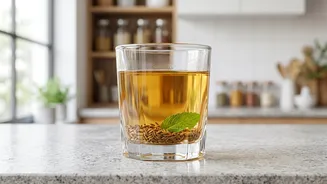
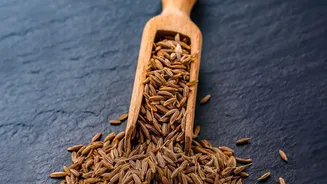
Making jeera water is simple. The two most common methods are boiling and soaking. You can boil a teaspoon of cumin seeds in a couple of cups of water for about five minutes, then strain and drink. Alternatively, you can soak the seeds in water overnight and drink the infused water in the morning. Many people prefer to drink it warm on an empty stomach first thing in the morning, as traditional wisdom suggests this 'wakes up' the digestive system. However, there is no hard evidence that timing makes a significant difference. You can drink it at any time of day that suits you. For added flavour, a squeeze of lemon or a pinch of cinnamon can be added.
Are There Any Side Effects?
For most people, cumin water is safe when consumed in moderation (one to two glasses a day). However, excessive intake can sometimes cause side effects. The most common is heartburn or acidity, as cumin can increase gas in the gastrointestinal tract. Because it can lower blood sugar, individuals on diabetes medication should be cautious and monitor their levels to avoid them dropping too low. It may also have blood-thinning properties, so it's best to avoid it before surgery. While culinary amounts are safe during pregnancy, concentrated medicinal doses should be avoided.