





Start With A Smaller Plate
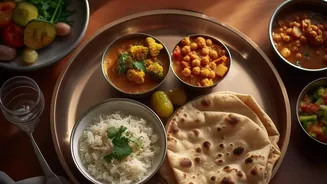
One of the most effective psychological tricks for managing portions is to simply use smaller plates and bowls. A standard 9 or 10-inch plate can make a moderate amount of food look abundant, tricking your brain into feeling satisfied with less. When
a small plate is full, it sends a signal of plenty, helping you naturally reduce your intake without feeling deprived. In a festive setting where multiple dishes are served, this allows you to sample a variety of flavours in smaller quantities, preventing the unconscious piling up that often happens with a large thali.
Master the Balanced Plate Method
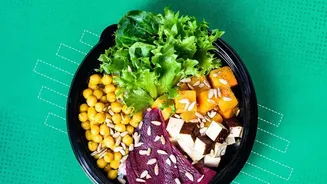
A structured plate is your best friend during a feast. Nutrition experts widely recommend the 'quarter-plate' method. Fill half of your plate with vegetables or a fresh salad. These high-fibre foods promote a feeling of fullness and aid digestion. Dedicate one quarter of the plate to a protein source like dal, paneer, chana, or lean meat. Protein increases satiety, which helps prevent overeating later on. The final quarter is for carbohydrates such as rice, roti, or pulao. This balanced approach ensures you get essential nutrients while naturally controlling the quantity of heavier items.
Navigate Sweets and Snacks Wisely
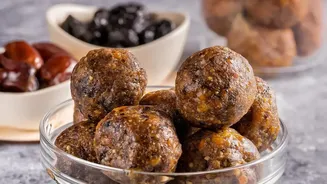
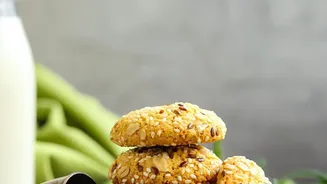
Festivals are incomplete without mithai and fried savoury snacks, and you don't need to avoid them. The key is mindful indulgence. Instead of trying every sweet on offer, choose one or two of your absolute favourites and savour them slowly. If a dessert is large, consider sharing it with a family member. When it comes to snacks like samosas or pakoras, try to have them baked instead of deep-fried where possible. Preparing them at home gives you control over the ingredients, such as using whole wheat flour or swapping refined sugar for jaggery or dates.
Don't Skip Meals to 'Save' Calories
A common mistake is skipping a meal before a big festive dinner, believing it will balance out the calories. However, this strategy almost always backfires. Arriving at a feast ravenously hungry makes you more likely to overeat and make poor food choices. It's far better to eat your regular meals throughout the day. Having a small, healthy snack like a bowl of yoghurt, some fruit, or roasted chana before heading out can also curb your appetite, making you less likely to overindulge.
Hydrate and Slow Down
Our bodies can sometimes mistake thirst for hunger. Drinking plenty of water throughout the day, and especially a glass before a large meal, can help you feel fuller and prevent overeating. When you sit down to eat, focus on the social aspect of the meal as much as the food itself. Eat slowly, chew each bite thoroughly, and engage in conversation. It takes about 20 minutes for your brain to register that you are full, so slowing down gives your body's natural satiety signals a chance to kick in before you go for a second helping.