
From Tourist to Temporary Local
There's a definite shift happening in how people approach their holidays. The age of the passive tourist, observing a new place from the window of a tour bus, is giving way to a more engaged and curious traveller. This new approach, often called hyperlocal
or immersive travel, is about embedding yourself in a destination's daily life. It’s the difference between seeing a city and truly experiencing it. Instead of just visiting, travellers want to understand a place's identity through its flavours, celebrations, and traditions. According to a recent Skyscanner report, a staggering 84% of Indian travellers are now choosing to explore their own country specifically for its cultural offerings.
A Hunger for Authenticity
So, what’s driving this change? In a world that often feels standardised, there's a growing desire for unique, genuine experiences. The post-pandemic mindset has amplified this, with many people seeking more meaningful connections and a deeper sense of purpose from their time off. Digital platforms have also played a huge role. Social media and YouTube are now the biggest drivers for culture-led travel, with 42% of travellers using them for inspiration. Seeing a friend or an influencer participate in a vibrant local festival or rave about a hidden food gem makes the experience feel more accessible and desirable than a glossy brochure ever could. This isn’t about just observing; it's about participating.
The Main Course: Culinary Travel
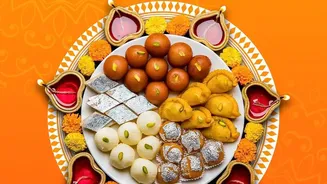
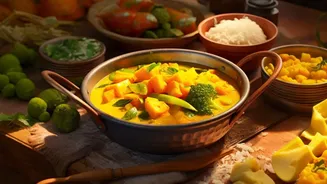
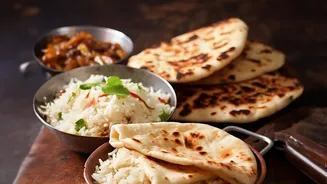
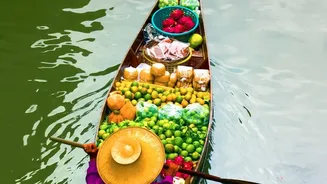
Food is no longer just a part of the trip; for many, it's the entire reason for the journey. Reports indicate that for a significant number of Indian travellers, local cuisine is a primary factor in deciding on a destination. This goes beyond just eating at famous restaurants. The trend encompasses everything from food-focused city walks and market tours to hands-on cooking classes. Travellers are seeking out hyper-local food tours to understand a community's history through its cuisine, such as the 'Refugee Food Tour' in Delhi which highlights the culinary traditions of displaced communities. This form of tourism has a powerful side effect: it directly supports local farmers, small restaurant owners, and food producers, helping to preserve traditional cooking techniques and boost the local economy.
Dancing to a Local Beat
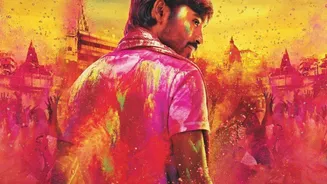
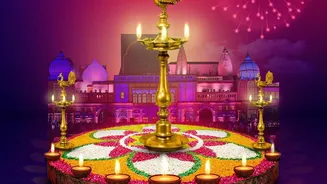
Alongside food, festivals have become major travel anchors. Recent data shows that 72% of Indian travellers are planning or considering a trip specifically to attend a major cultural or religious festival. Events like Durga Puja in Kolkata, Ganesh Chaturthi across Maharashtra, and the Navratri Garba in Gujarat are now powerful tourism drivers. But it's not just the major festivals. Lesser-known cultural events offer an even deeper glimpse into regional identity. Think of the Madai Festival celebrated by tribal communities in Chhattisgarh, the Chapchar Kut in Mizoram which marks the pre-sowing season, or the Hornbill Festival in Nagaland, which is a vibrant showcase of indigenous culture. These events offer a front-row seat to the living, breathing traditions that define a community.
More Than Just a Holiday
This evolution in travel is about creating memories that are deeply personal and transformative. It's about the stories you collect, not just the photos you take. By choosing to engage with a place on its own terms—eating where locals eat, celebrating their traditions, and learning their stories—travellers are fostering a more respectful and sustainable form of tourism. This approach disperses tourism spending beyond major hubs into smaller towns and rural areas, providing economic benefits directly to the communities that are sharing their culture. It’s a rewarding exchange that enriches both the visitor and the host, turning a simple vacation into a journey of genuine discovery.