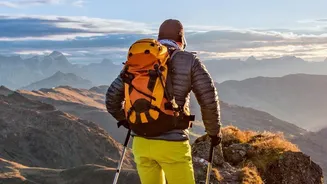

Planning and Permits: Your First Steps
A successful high-altitude trek begins long before you set foot on the trail. August is peak monsoon in Uttarakhand, a time of unpredictable weather, potential landslides, and dynamic trail conditions. Start by researching your chosen trek. While some
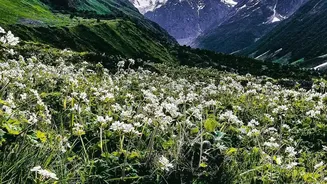
routes like the Valley of Flowers are prime monsoon destinations, many others are closed due to safety concerns. Always check the latest weather forecasts and local advisories. The Uttarakhand government is also moving towards a stricter regulatory framework, emphasizing the need for medical fitness certificates and trekking with registered, certified operators and guides. Ensure you have all necessary permits, as areas like the Valley of Flowers are protected and require official entry passes. A crucial and often overlooked step is to share your detailed itinerary with someone back home, including your route and expected return date.
Acclimatisation: The Unseen Challenge
Altitude sickness, or Acute Mountain Sickness (AMS), is a serious risk on any high-altitude trek and has nothing to do with physical fitness. As you ascend above 8,000 feet, the lower oxygen levels can affect anyone. The most common initial symptoms are headache, nausea, dizziness, fatigue, and loss of appetite. Ignoring these can lead to life-threatening conditions. The golden rule of prevention is gradual ascent. Plan your itinerary to include rest days and follow the 'climb high, sleep low' principle, where you trek to a higher altitude during the day but return to a lower elevation to sleep. Staying well-hydrated by drinking plenty of water, eating a high-carbohydrate diet, and avoiding alcohol is crucial. For those prone to AMS, a doctor might prescribe acetazolamide (Diamox) as a preventive measure. If you or a team member shows symptoms, the only cure is to stop ascending and, if they worsen, to descend immediately.
Navigating Monsoon Trails
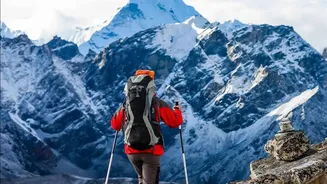
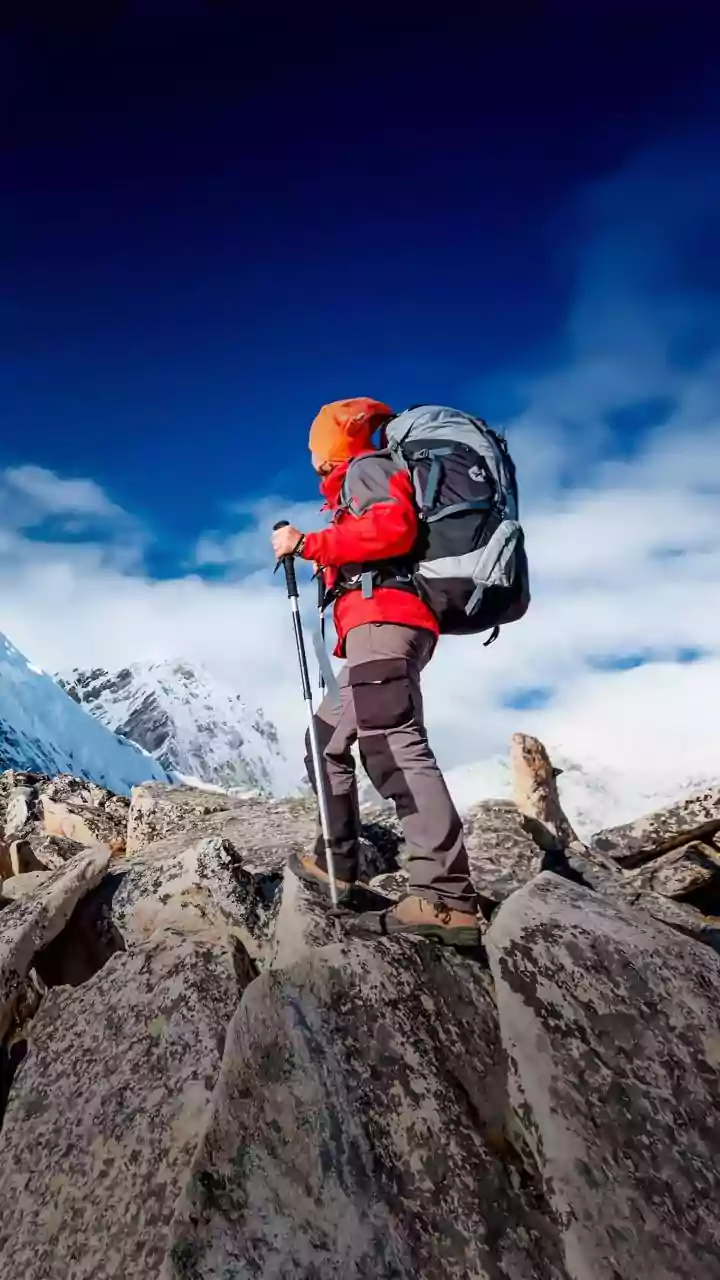
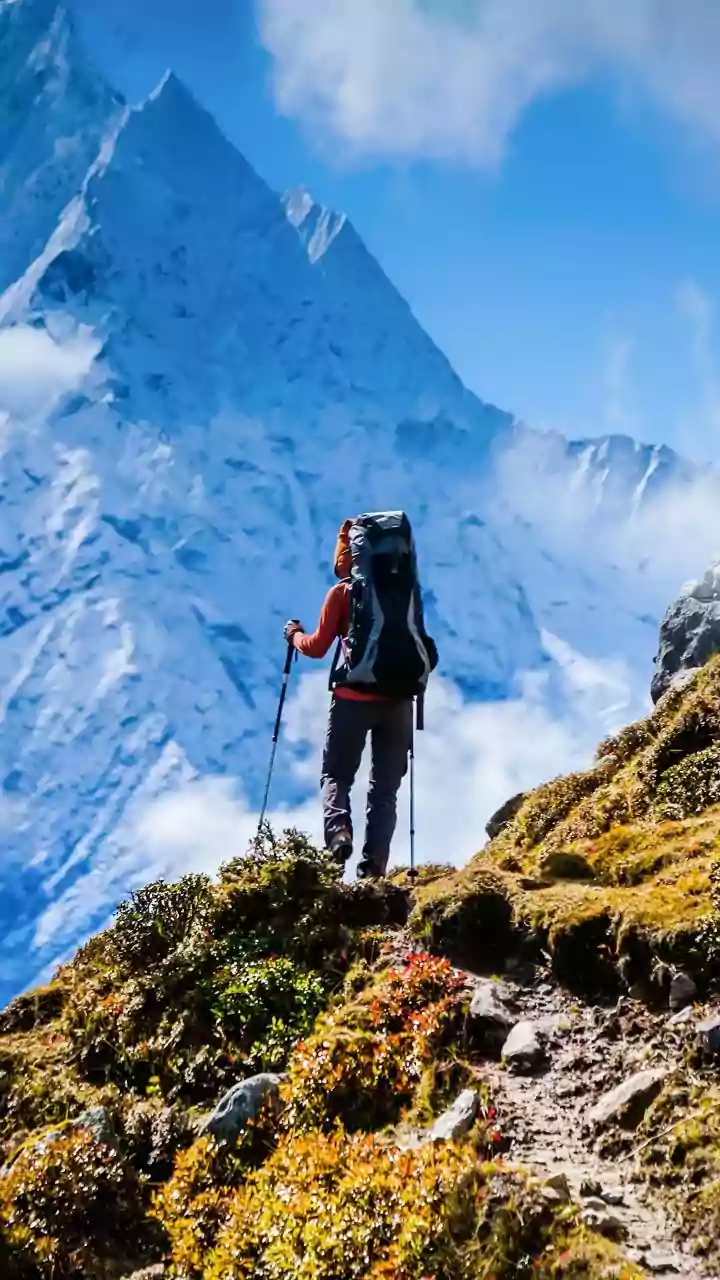
Trekking in the monsoon is a magical experience, but the terrain demands your full attention. Trails can be incredibly slippery from wet soil, mossy rocks, and slick algae. A sturdy pair of trekking poles is non-negotiable for maintaining balance and reducing strain on your knees. Streams that are a trickle in the morning can become raging torrents after an afternoon downpour, making crossings dangerous. Always listen to your guide's expertise on when and where to cross. Leeches are another common feature of monsoon treks in forested areas; wearing leech socks or taking other precautions can help. Always start your trek early in the day to avoid the frequent afternoon showers and give yourself ample daylight to reach your destination safely.
Essential Gear for Rain and Altitude
Your comfort and safety hinge on your gear. Think in layers and prioritise staying dry. Avoid cotton at all costs, as it absorbs moisture and stays wet. Opt for quick-drying synthetic t-shirts and trekking pants. Your rain protection is your most critical gear. Invest in a reliable waterproof and breathable jacket and trousers; a poncho that can cover both you and your backpack is also an excellent option. While waterproof boots seem logical, many experienced trekkers prefer breathable, quick-draining shoes with deep-lug soles for better grip, paired with waterproof or wool socks. This is because once water gets inside a waterproof boot, it stays there. Always pack everything inside your rucksack in dry sacks or extra plastic bags, even with a rain cover on the outside. Lastly, carry a separate, completely dry set of clothes to change into at your campsite or guesthouse.
Your Mountain First-Aid Kit
A standard first-aid kit needs a few high-altitude and monsoon-specific additions. Alongside bandages and antiseptic for cuts and blisters, include medicines for diarrhoea, which can be common. Pack water purification tablets or a filter to ensure you always have safe drinking water. An anti-fungal powder like Candid can be a lifesaver in damp conditions to prevent skin infections. For altitude-related symptoms, include painkillers like ibuprofen for headaches and any prescribed medication like Acetazolamide. Also pack any personal medications you require, ensuring you have enough for the entire duration of the trek.