

A Portal to Passing Landscapes
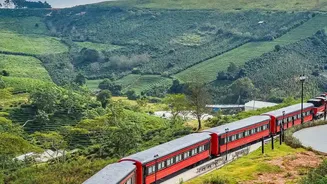
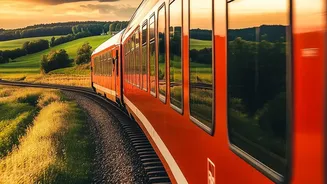
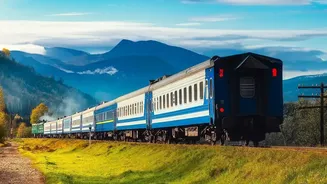
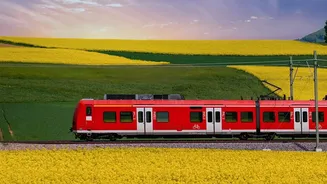
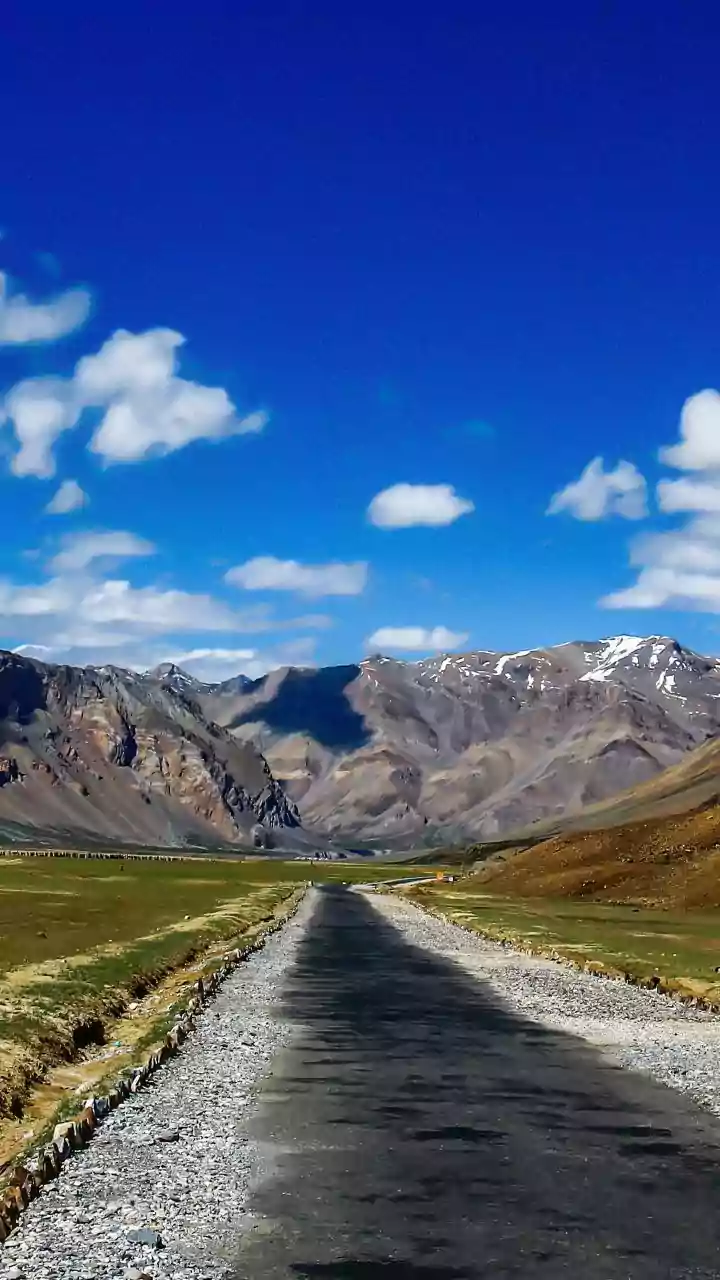
The journey often begins with the gritty, hurried scenes of a city, which soon blur into sprawling suburbs and then, almost imperceptibly, melt away. What follows is a visual symphony of India’s diverse geography. The window frames endless stretches of emerald
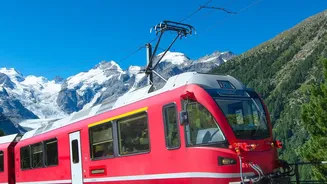
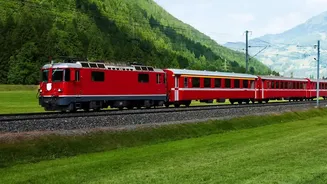
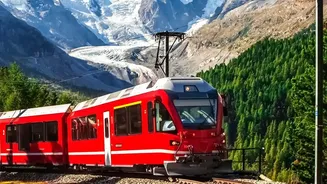
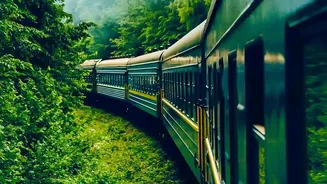
paddy fields, dotted with farmers and grazing cattle. It reveals the sudden, breathtaking expanse of a river, the train rumbling over a bridge that feels like a gateway to another world. On routes like the Konkan Railway, the window offers a dramatic interplay of the Sahyadri Hills and the Arabian Sea. In the north, the Kalka-Shimla toy train presents a completely different masterpiece: a slow, winding ascent through pine forests and misty valleys, with each of its 102 tunnels momentarily plunging you into darkness before revealing another stunning Himalayan vista. The view is never static; it’s a living, breathing landscape that tells the story of the land itself.
Snapshots of Unseen Lives
The train window doesn't just show you places; it offers fleeting, intimate glimpses into the lives of others. You see a family gathered in a courtyard, a group of children waving enthusiastically as the train chugs past, or a lone cyclist pedalling down a dusty village lane. These are not tourist attractions; they are candid moments of everyday life, unfolding just metres from the tracks. A station halt is a performance in itself. The window becomes a proscenium arch for the theatre of the platform: the chorus of vendors selling everything from hot chai and samosas to local specialities, the hurried goodbyes, the joyful reunions. These moments, seen but not interacted with, create a powerful sense of connection and curiosity, a reminder of the millions of stories running parallel to your own.
The Rhythm of the Rails
A train journey is a multi-sensory experience, and the window is central to it. It’s not just what you see, but what you hear and feel. The rhythmic 'clack-clack' of the wheels on the track provides a constant, hypnotic soundtrack to the unfolding scenery. It's the gentle sway of the carriage, the distant sound of the train's horn echoing through a valley, and the feel of the breeze—sometimes warm and dusty, sometimes cool and laden with the smell of rain-soaked earth. In these moments, the window seat becomes a space for contemplation. It's where you can lose yourself in a book, listen to music that complements the view, or simply stare out and let your thoughts wander. It's a forced slowdown in our otherwise frantic lives, an invitation to be present.
An Enduring Cultural Icon
From the iconic Darjeeling Himalayan Railway, a UNESCO World Heritage site, to the sea-kissed journey to Rameswaram over the Pamban Bridge, train travel is woven into India’s cultural fabric. Movies have immortalised the train window as a backdrop for romance, farewells, and dramatic chases, cementing its place in our collective imagination. For generations, it has been the setting for family holidays, pilgrimages, and new beginnings. The shared experience of looking out the window, pointing out a landmark, and sharing a snack with a fellow passenger creates a unique, transient community within the coach. It’s a democratic space, offering the same ever-changing view to everyone, regardless of their destination.