

The Festival and Its Roots
The Minjar Mela, one of Himachal Pradesh's designated state fairs, is a vibrant, week-long event that typically begins on the second Sunday of the Hindu month of Shravana. Its name comes from the 'Minjar'—a silk tassel symbolising the shoots of maize
and paddy, which people wear on their clothes. The festival's origins trace back to 935 AD, commemorating the victory of the Raja of Chamba over the ruler of Trigarta (modern-day Kangra). As the story goes, locals greeted their returning king with sheaves of paddy and maize, an offering of prosperity that evolved into the tassels seen today. The fair commences with the hoisting of the Minjar flag in the historic Chowgan ground and concludes with a grand procession. Deities are carried to the Ravi River, where the chief guest and the public immerse their Minjars as an offering, a moment steeped in collective faith and tradition.
A Crucial Lifeline for Artisans
Beyond the ceremonies, the Minjar Mela serves as a critical economic hub for the region's artisans. For one week, Chamba transforms into a sprawling marketplace where traditional crafts, many of which are struggling to survive, find a vital audience. This includes the famous Chamba Rumal, an exquisite form of embroidery that translates Pahari miniature paintings into threadwork, so detailed that the image is identical on both sides. Artisans also showcase and sell Chamba Chappals, intricately embroidered leather footwear that has earned a Geographical Indication (GI) tag. The festival is a rare opportunity for masters of metalwork, wood carving, and shawl weaving to sell their wares directly, generating income that sustains their families and keeps these invaluable skills alive. For these craftspeople, the mela is not just a celebration but the most important commercial event of the year.
The Heartbeat of Folk Culture
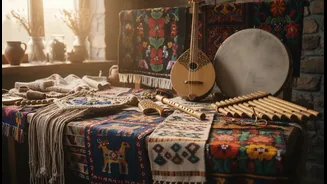
The festival is a living repository of the region's intangible heritage. The air is filled with the sounds of traditional music, most notably the 'Kunjari Malhar', a local folk style performed by artists to mark the occasion. Folk dance troupes are an integral part of the main procession, with forms like the Dangi, Dandras, and Ghurei on full display. These performances are not merely entertainment; they are narratives of history, religion, and the rhythms of pastoral life in the Himalayas. The week-long cultural programs provide a platform for hundreds of folk artists from across the state, giving them visibility and validating their role as keepers of tradition. While larger commercial acts often feature, it is these grassroots performers who form the true cultural soul of the event, ensuring that ancient songs and dances are passed down to a new generation.
An Engine for Regional Travel
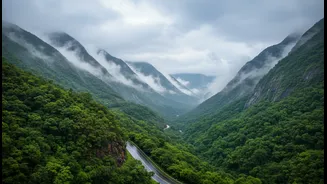
The Minjar Mela's impact extends far beyond the Chowgan ground, driving the entire regional travel economy. The festival attracts a significant number of visitors from across India and even internationally, filling hotels, guesthouses, and homestays throughout the Chamba valley. This influx provides a crucial boost to small businesses, including taxi drivers, restaurant owners, and tour guides. The international recognition of the fair helps put Chamba on the global tourist map, promoting cultural exchange and sustainable tourism. By drawing visitors to a specific cultural event, the mela encourages a more meaningful form of travel—one that engages directly with the local community and its heritage, rather than just passing through for the scenery. This model of event-based tourism helps distribute economic benefits more widely and creates a compelling reason for travellers to explore deeper into the region.