



Your Pre-Trip Vehicle Health Check
Before you even think about packing, your car needs a thorough inspection. The monsoon puts unique stress on a vehicle, and a pre-trip check is your first line of defence against breakdowns. Start with the tyres, which are your only contact with treacherous
wet roads. Ensure they have a tread depth of at least 3mm for optimal grip and to avoid aquaplaning. Check the tyre pressure, including the spare, as temperature changes can affect inflation. Next, inspect your brakes. Wet conditions can reduce their efficiency. If you notice any squealing or a spongy feeling, get them serviced immediately. Your wipers are crucial for visibility; replace them if they leave streaks or smears. Finally, walk around the car and test every single light: headlights, taillights, brake lights, and indicators. In heavy rain, being seen is as important as seeing.
Visibility and Cabin Comfort Systems
Monsoon driving is often a battle for clear vision. Beyond your wipers, your car’s air-conditioning and defogging systems are critical. A sudden downpour can cause your windshield to fog up in seconds. Test your AC to ensure it's cooling effectively, as this helps dehumidify the cabin air. Also, verify that your front and rear defoggers are working properly. This is also a good time to check your cabin air filter; a clogged one can lead to musty smells and poor airflow. Check the rubber seals around your doors and windows for any cracks or damage. A faulty seal can lead to a waterlogged interior and potential electrical issues. Some drivers also apply a rain-repellent coating to the windshield, which can dramatically improve visibility during a downpour.
The Essential Monsoon Emergency Kit
While a standard first-aid kit is a year-round essential, a monsoon road trip demands a more specialised emergency pack. Your kit should include items to handle common rainy-season troubles. A powerful flashlight with extra batteries is non-negotiable, as you can't rely on your phone's torch if you need both hands. Pack a tow rope, jumper cables, and a basic toolkit. A portable tyre inflator and a puncture repair kit can be lifesavers on a remote highway. Also include non-perishable snacks like energy bars and nuts, along with plenty of drinking water, in case you get stranded due to a road closure. Waterproof gear, including raincoats and waterproof bags for your electronics and documents, is also a must. An insect repellent is wise, as the monsoon season sees a rise in mosquitoes.
Smart Route Planning and Awareness
The safest trip is one that avoids danger in the first place. Before you leave, check the weather forecast from reliable sources like the India Meteorological Department (IMD) and the National Disaster Management Authority (NDMA). These agencies provide impact-based alerts that are more detailed than standard weather apps. Look for advisories on landslides, floods, and road closures, especially if your route includes hilly or low-lying areas. It's best to avoid driving at night in the monsoon, as heavy rain and fog can drastically reduce visibility, making it harder to spot potholes or debris on the road. Always have a flexible itinerary and be prepared to change your plans or postpone your journey if an orange or red alert is issued for your route. Share your travel plans and expected arrival times with a friend or family member.
Navigating Waterlogged Roads and Landslides
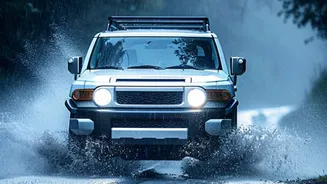
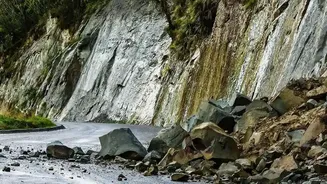
If you encounter a waterlogged road, your first instinct should be to find an alternative route. If you must proceed, assess the depth by watching other vehicles. As a rule, avoid driving through water that is higher than the centre of your wheels. Drive slowly and steadily in a low gear, keeping the engine revs high to prevent water from entering the exhaust pipe. Avoid speeding, as it can create a splash that forces water into the engine. After clearing the water, gently tap your brakes a few times to dry them out and restore their effectiveness. In hilly areas, be vigilant for signs of landslides, such as falling rocks or mud on the road. Maintain a slow, steady pace and keep a safe distance from other vehicles. If you hear unusual sounds like cracking trees or rolling rocks, move away from the area quickly.