





More Than Just a Desk
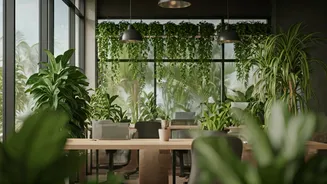
Forget the typical co-working space with its cold brew on tap and ping-pong tables. In places like Canggu, Ubud, and Uluwatu, a new type of workspace is taking root. These are not merely places to plug in a laptop; they are holistic environments built
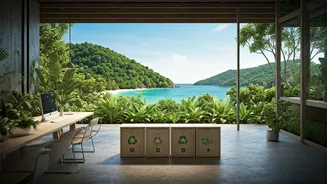
on the principles of sustainability and community. Often constructed from reclaimed timber and local bamboo, these hubs are designed to have a minimal environmental footprint. They feature on-site permaculture gardens that supply their organic cafes, comprehensive recycling and composting systems that aim for zero-waste, and workshops on everything from sustainable living to mindfulness. They are living, breathing experiments in how to integrate work, life, and environmental stewardship.
The New Purpose-Driven Nomad
The digital nomad stereotype of a few years ago—a twenty-something chasing cheap parties and fleeting connections—is evolving. The individuals drawn to these eco-centric hubs represent a different breed of remote professional. They are often experienced graphic designers, software developers, writers, and wellness entrepreneurs in their 30s and 40s. Having achieved career flexibility, they are now seeking a deeper sense of purpose and alignment with their values. They want their lifestyle to reflect their concern for the planet. For them, choosing a co-working space is not just about Wi-Fi speed; it’s a statement about the kind of world they want to live in and contribute to. This community provides not just professional networking, but a support system of like-minded peers who share a common goal.
Why Bali is the Perfect Incubator
It’s no accident this trend is flourishing in Bali. The island’s cultural and spiritual fabric is deeply interwoven with a respect for nature. The Balinese Hindu philosophy of ‘Tri Hita Karana’—which emphasizes harmony among people, with the environment, and with God—provides a fertile ground for such initiatives. This ancient wisdom resonates powerfully with the modern quest for sustainable living. Furthermore, Bali has long been a global hub for wellness, yoga, and alternative healing, attracting individuals already receptive to mindful and conscious lifestyles. Combined with its stunning natural beauty and a relatively affordable cost of living, the island offers the perfect cocktail of ingredients for this movement to thrive.
The Sustainable Business Model
These hubs are not just passion projects; they are viable businesses pioneering a new model of conscious capitalism. Their revenue streams are often diversified. Membership fees for the co-working facilities form the base. However, they generate additional income through on-site, sustainably built accommodations, public-facing organic cafes, and a packed calendar of paid workshops, yoga classes, and community events. Some, like the pioneering store Zero Waste Bali, have built an entire ecosystem around their retail operations, inspiring and educating a community to reduce consumption. This multi-pronged approach creates a resilient business that also serves as an educational platform, proving that profitability and positive environmental impact can go hand-in-hand.
A Blueprint for the Future?
While the movement is inspiring, it's not without its challenges. There is always the risk of 'greenwashing,' where the aesthetics of sustainability are used for marketing without genuine impact. Additionally, the influx of relatively wealthy foreign remote workers can raise complex questions about its effect on local housing costs and cultural authenticity. However, the best of these hubs are keenly aware of these issues. They actively engage with and employ local staff, source materials from the surrounding community, and often run programs to help local businesses adopt more sustainable practices. They strive to be partners in the community, not just occupants. By tackling these challenges head-on, they offer a compelling vision for a more integrated way of living and working.