



The Lure of the New: A World of Amenities
New construction projects have an undeniable appeal. You are the first owner, everything is untouched, and the property often comes with warranties that cover major systems and structural integrity for a set period. The biggest draw, however, is the integrated
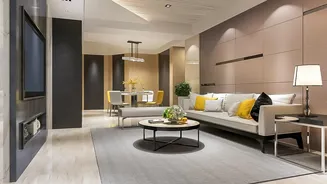
lifestyle. These projects are often master-planned communities featuring a suite of modern amenities that older buildings structurally cannot support. Think state-of-the-art gymnasiums, swimming pools, clubhouses, landscaped gardens, and dedicated children's play areas, all within a secure, gated complex. Builders design these spaces for modern living, with optimised floor plans, energy-efficient appliances, and provisions for smart home technology. This self-contained ecosystem offers a level of convenience and quality of life that is a primary selling point for many families.
Location Gold: The Power of a Redeveloped Address
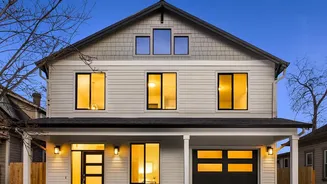
Redeveloped properties offer a different, equally compelling advantage: location. These projects typically involve demolishing an old, dilapidated building in a prime, central part of the city and constructing a new one in its place. While the building is new, the neighbourhood is mature. This means you are buying into an area with established infrastructure—renowned schools, trusted hospitals, bustling markets, and parks that have existed for decades. Connectivity is often superior, with proximity to key transport hubs like metro and railway stations. For many, this is the biggest prize. You get a modern home with better plumbing and safer wiring without having to relocate to the city's outskirts. You retain access to the community and conveniences you have always known, making it a powerful choice for those who prioritise place over product.
Amenities vs. Access: A Tale of Two Lifestyles
The choice between new and redeveloped often comes down to your definition of 'amenities'. A new project in a peripheral area gives you a swimming pool and jogging track inside your complex. A redeveloped building in a central location might not have a pool, but it offers you walking access to the city's best restaurants, cultural centres, and public transport. One provides a curated, internal lifestyle; the other offers an integrated, external one. New developments are often in areas where the surrounding infrastructure is still catching up, which can mean longer commutes and a dependency on the amenities within the project. Redeveloped areas offer immediate access to a rich urban fabric, but the project itself may have constraints on space, limiting amenities like expansive green areas or multiple parking spots per flat.
Evaluating Costs, Risks, and Compromises
The sticker price is just the beginning. New properties often carry a premium and may include GST on under-construction flats. However, they promise lower maintenance costs for the initial years. The risk here involves potential construction delays and the possibility that the surrounding neighbourhood doesn't develop as promised by the builder. Redeveloped flats may seem cheaper on paper and have no GST if they are ready to move in. But buyers must be diligent. It's crucial to check the quality of construction, ownership history, and ensure there are no outstanding society dues. While the apartment itself is new, compromises might exist in the overall building design due to plot constraints, sometimes resulting in less optimal natural light or airflow compared to a project planned on a vacant parcel of land.
Making the Right Choice for You
There is no single right answer; the best choice depends entirely on your personal priorities. If your life revolves around your immediate home environment and you value a secure, all-in-one lifestyle with modern facilities for your family, a new construction project may be ideal. You are prioritising the product. If your lifestyle is deeply connected to the city—your work, social life, and children's activities are spread out—and you value short commutes and being part of an established community, a redeveloped flat could be the perfect fit. You are prioritising the place. Before deciding, assess your daily routine, your family's needs, your tolerance for commuting, and what 'convenience' truly means to you. Look beyond the brochure and the location pin and envision where your life will unfold most happily.