








The 15-Minute Neighbourhood
Imagine a life where your office, your child's school, the grocery store, a park, and your favourite cafe are all within a 15-minute walk or cycle from your front door. This is the core idea of the '15-minute city'. The goal is to reduce our reliance
on cars, which in turn cuts down on traffic congestion and air pollution. But the benefits go deeper. By creating compact, mixed-use neighbourhoods, this model encourages physical activity like walking and cycling. It also fosters a stronger sense of community, as accessible public spaces and local businesses become natural meeting points for residents. This shift transforms the daily commute from a stressful necessity into a pleasant, healthy activity, freeing up time and improving overall quality of life.
Breathing Life into Concrete
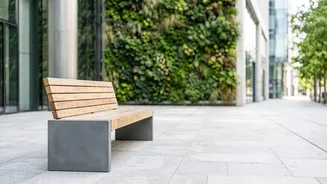
There's a reason we feel better when surrounded by nature. The concept of 'biophilic design' is based on our innate human need to connect with the natural world. Healthier cities are actively incorporating this principle by weaving nature into the urban fabric. This goes beyond just adding more parks. Think green roofs and vertical gardens that help cool buildings and clean the air, landscaped terraces on apartment buildings, and tree-lined streets that provide shade and reduce noise. Studies have consistently shown that access to green spaces can significantly improve mental health, reducing stress, anxiety, and depression. By making nature an integral part of our daily environment, cities can become restorative places that support both mental and physical well-being.
Smarter, Healthier Infrastructure
Technology is a powerful tool for building healthier cities. Smart city initiatives are using data and the Internet of Things (IoT) to create more responsive and efficient urban environments. For instance, sensors can monitor air and water quality in real-time, providing crucial information to mitigate health risks. Smart traffic management can optimise flow and reduce idling, while efficient, tech-enabled public transport makes it easier to choose sustainable travel options. In healthcare, technology enables services like telemedicine, allowing residents, especially the elderly or vulnerable, to receive medical advice from home. By leveraging data, cities can better understand public health trends, respond faster to emergencies, and proactively design systems that lead to a better quality of life for all citizens.
Designing for Human Connection
A truly healthy city is one that combats loneliness and fosters social bonds. For too long, urban planning has prioritised cars, resulting in spaces that divide communities rather than unite them. A healthier future involves reclaiming streets for people. Pedestrian-friendly zones, public squares with ample seating, and community gardens all provide valuable opportunities for social interaction. These spaces encourage neighbours to meet, children to play, and communities to gather, strengthening the social fabric that is essential for collective mental health. As India’s urban population continues to grow, with projections showing 600 million people living in cities by 2036, designing inclusive public spaces becomes critical. It’s about creating environments where people from all walks of life feel safe, welcome, and connected to one another.