



The Danger in Leaving Food Out
It’s tempting to leave a pot of dal or sabzi on the counter to cool for hours, but this is a golden opportunity for harmful bacteria to thrive. Bacteria multiply fastest in the 'Danger Zone', a temperature range between 4°C and 60°C. In this range, some
bacteria can double in number in as little as 20 minutes. In a warm climate like India’s, food enters this zone quickly. The universal guideline is the 'two-hour rule': refrigerate perishable foods within two hours of cooking. If the room temperature is above 32°C, this window shrinks to just one hour. Relying on a 'smell test' is not enough, as many harmful bacteria don't change the food's look, smell, or taste.
Cooling and Storing Correctly
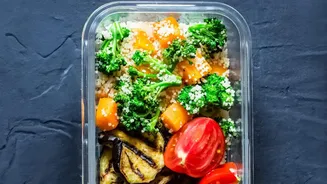
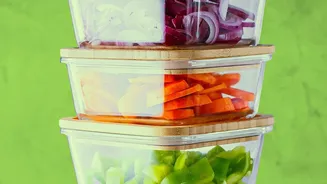
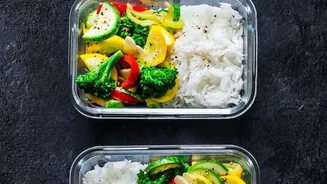
The goal is to cool food rapidly before it goes into the fridge. Placing a large, hot pot directly into the refrigerator is not ideal, as it can raise the internal temperature, putting other foods at risk. Instead, speed up the cooling process. Divide large quantities of food, like a pot of biryani or sambar, into smaller, shallow containers. This increases the surface area and allows heat to escape faster. Using metal or glass containers can also help, as they conduct heat away more quickly than plastic. Once cooled, cover the food in airtight containers. This prevents moisture loss, stops the food from absorbing other odours in the fridge, and protects it from cross-contamination.
A Guide for Indian Kitchen Staples
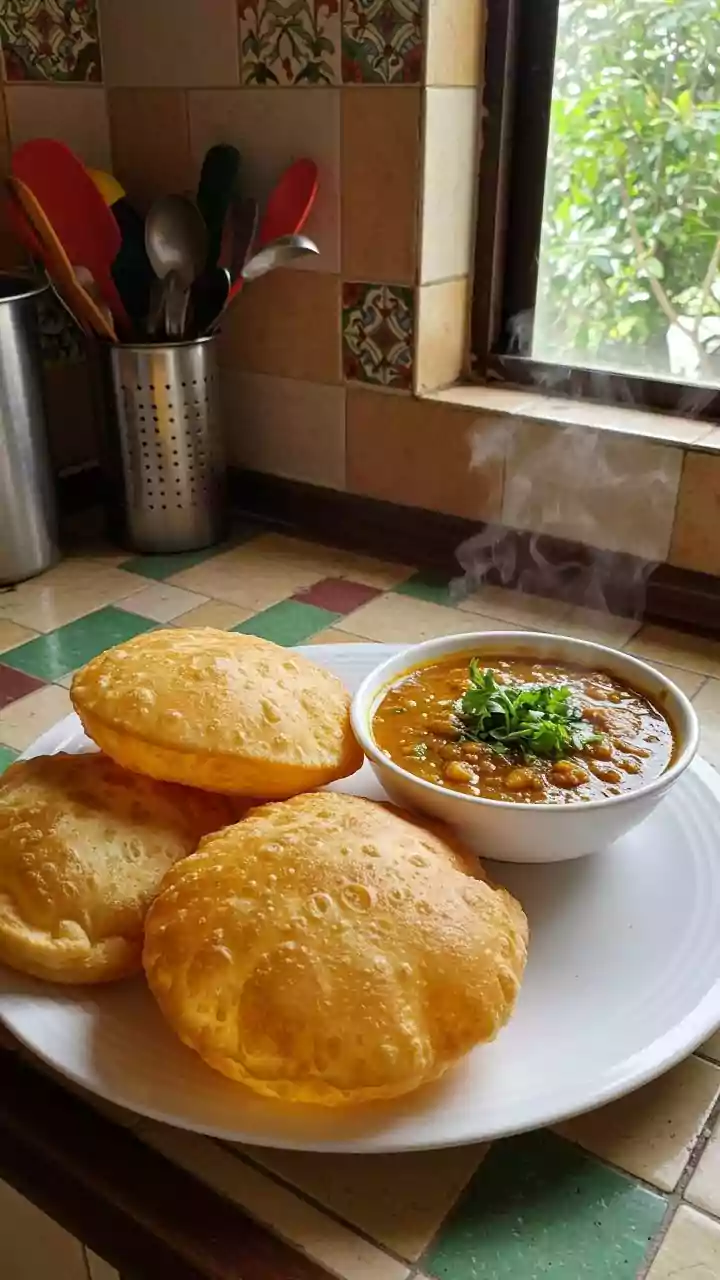
Different foods require slightly different care. Curries and Dals: Most cooked curries, dals, and sabzis are safe in the refrigerator for three to four days. Dairy-based curries with paneer or cream may have a slightly shorter lifespan. Rice: This staple carries a specific risk. Uncooked rice can contain spores of a bacterium called Bacillus cereus. These spores can survive cooking and, if the rice is left at room temperature, can grow and produce toxins that reheating won't destroy. This can cause a nasty bout of food poisoning, sometimes called 'fried rice syndrome'. So, it's vital to cool and refrigerate rice within two hours. Rotis and Chapatis: To keep rotis soft, wrap them in aluminium foil or store them in an airtight container in the fridge for up to two days. For longer storage, you can freeze them, separating each with butter paper.
The Rules of Reheating
Reheating isn't just about making food palatable; it's a final safety check. Leftovers must be reheated thoroughly to an internal temperature of 74°C (165°F) to kill any bacteria that might have developed during storage. Sauces, soups, and gravies should be brought to a rolling boil. When using a microwave, cover the food and stir it midway through to ensure it heats evenly. A crucial rule shared by food safety experts, including the Food Safety and Standards Authority of India (FSSAI), is to avoid reheating the same leftovers multiple times. It's best to only heat the portion you plan to eat and keep the rest chilled.