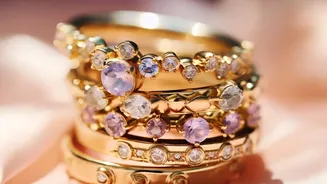







Gold Jewellery: The Sentimental Asset
For generations, jewellery has been the default way to own gold in India, blending investment with adornment. Its greatest benefit is its dual purpose; it can be worn and enjoyed while also serving as a store of value. However, from a pure investment perspective,
jewellery is the least efficient option. The primary drawback is the high cost associated with its creation. Jewellers levy 'making charges' or 'wastage charges', which can range from 6% to over 25% of the gold's value. These charges cover the craftsmanship but are non-refundable. When you sell the piece, you are typically only paid for the net weight of the gold, meaning you lose the entire making charge. Furthermore, most jewellery is made from 22-karat gold, not the purer 24-karat, and verifying purity can be a concern if the item is not BIS hallmarked. Selling jewellery also involves finding a jeweller willing to buy it, and the price offered can vary significantly.
Gold Coins and Bars: The Purer Physical Choice
For those who want to hold physical gold without the high costs of craftsmanship, coins and bars are a popular alternative. They are typically available in 24-karat (99.5% or 99.9% purity) and are often BIS hallmarked, providing assurance of quality. While you avoid the hefty making charges of jewellery, coins and bars are not sold at the spot price of gold. They come with their own premium or 'minting charge' to cover manufacturing and packaging, which can be between 3% and 10% over the gold value, especially for smaller denominations like one-gram coins. A 3% Goods and Services Tax (GST) is also applicable on the purchase price. The other major consideration is storage. Keeping physical gold, whether coins or jewellery, requires a secure place like a home safe or a bank locker, which involves additional costs and risks. Liquidity is better than jewellery, as coins from reputable sellers are easier to sell, but you may still get a price slightly below the prevailing market rate.
Gold ETFs: The Modern Digital Method
Gold Exchange Traded Funds (ETFs) are financial instruments that track the price of pure physical gold. When you buy a Gold ETF unit, you are essentially buying gold in an electronic or dematerialised (Demat) form. Each unit is backed by physical gold of high purity (usually 99.5%) held in vaults by the fund manager. This is the most cost-effective and transparent way to invest in gold for purely financial reasons. There are no making charges or storage hassles. The costs involved are a small annual expense ratio (typically 0.4% to 1%) charged by the fund, plus minor brokerage fees when you buy or sell units on the stock exchange. Gold ETFs are highly liquid; you can buy or sell them instantly during market hours at the current market price, just like a stock. The entry point is also very low, as you can buy as little as one unit, which often represents a fraction of a gram of gold.
Cost, Purity, and Tax: A Direct Comparison
When you put the three side-by-side, the differences become clear. Entry Cost: Jewellery is the most expensive due to making charges of 6-25%+. Coins have a lower premium of 3-10%. Gold ETFs are the cheapest, with only a small expense ratio and brokerage fee. Purity: Gold ETFs and certified coins offer the highest purity (99.5% and above). The purity of jewellery can be lower (22K or 18K) and sometimes questionable if not properly hallmarked. Liquidity: Gold ETFs are the clear winner, offering instant buy/sell capability on stock exchanges. Coins are relatively liquid but may fetch a slightly lower rate. Jewellery has the lowest liquidity due to subjective valuation and the loss of making charges. Taxation: The tax treatment for all three is broadly similar for capital gains. However, a significant difference is that physical gold (jewellery and coins) attracts a 3% GST at the time of purchase, which Gold ETFs do not. This makes ETFs more tax-efficient at the point of entry.