






When you think of dehydration, you probably picture a hot summer day. But the risk doesn't disappear when the temperature drops; it just gets better at hiding. Cooler weather cleverly masks the common signs of dehydration, making it a sneaky threat.
Your Thirst Signal Gets Silenced
One
of the biggest reasons winter dehydration catches us off guard is that we simply don't feel as thirsty. In the cold, your blood vessels constrict to conserve heat and pull blood away from your extremities towards your core. This process, called vasoconstriction, tricks your brain into thinking you are adequately hydrated. Your body's central volume receptors sense this shift and suppress the hormones that trigger thirst. Studies have shown that this effect can reduce thirst sensation by up to 40 percent, even when your body is losing fluids and genuinely needs water. As a result, you are less likely to reach for a drink, creating a perfect setup for gradual dehydration.
Losing Water with Every Breath
Have you ever seen your breath turn into a misty cloud on a cold day? That's not just air; it's water vapour leaving your body. Cold, dry air holds very little moisture. Every time you inhale, your lungs have to work to warm and humidify that air before it reaches the rest of your respiratory system. When you exhale, you release this warmed, moisture-laden air into the atmosphere. This respiratory water loss happens all the time, but it increases significantly in cold, dry conditions. While it might seem like a small amount, this constant, invisible loss of fluid can add up substantially over the course of a day, especially during physical activity when your breathing rate is elevated.
The Sweat You Don't Notice
During winter activities, we bundle up in multiple layers to stay warm. While this is essential for regulating body temperature, it also creates a hidden environment for sweat. When you're active, you still sweat, regardless of the outside temperature. However, unlike on a hot day where sweat is obvious on your skin, in winter it gets trapped in your clothing layers. The dry winter air causes this sweat to evaporate very quickly, often before you even feel damp. Because you lack the visual cue of being drenched in sweat, you might not realise how much fluid your body is losing, making it easy to forget to rehydrate.
Spotting the Subtle Signs
Since you can't always rely on thirst, it's important to recognise the other, more subtle signs of winter dehydration. These symptoms are often mistaken for the general effects of cold weather or fatigue. Watch out for unexplained headaches, dizziness, or a feeling of lightheadedness, especially when you stand up. General fatigue, difficulty concentrating, and a midday slump can also indicate you need more fluids. Other physical signs include dry mouth, chapped lips, and dark-coloured urine. If you urinate less frequently than usual, that's another red flag your body is trying to conserve water.
Your Proactive Hydration Plan
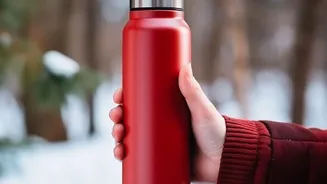
Staying ahead of winter dehydration requires a conscious effort. Don't wait until you feel thirsty; make a plan to drink fluids regularly throughout the day. Setting a timer can be a helpful reminder. If cold water seems unappealing, opt for warm beverages like herbal tea, broth, or simply warm water with lemon. These can be more comforting and still contribute to your daily fluid intake. Also, don't forget that you can eat your water. Incorporating water-rich foods like soups, stews, oatmeal, and fruits like oranges and grapes can help boost your hydration levels. If you're active outdoors, use an insulated bottle to prevent your drink from freezing and consider adding electrolytes for sessions longer than an hour.