

The Anatomy of an 'Easy Walk'
An 'easy walk' in the Rockies is defined by accessibility and minimal commitment. These trails are typically well-maintained, often paved or hard-packed, with little to no significant elevation gain. According to Parks Canada, an easy trail is generally
under 5 km, takes less than two hours, requires no special equipment, and has minimal stairs or obstacles. The goal is a high reward for low effort, making stunning scenery accessible to families, casual visitors, or those acclimatizing to the altitude. You can often complete these walks in running shoes, carrying little more than a water bottle and your camera. The risk is low, the navigation is straightforward, and the focus is purely on enjoyment.
Iconic Easy Walks: Johnston and Grassi
Johnston Canyon is a classic example of an easy walk that feels like a grand adventure. Its defining feature is a series of metal catwalks suspended from the canyon walls, leading you over a rushing creek to two main waterfalls. The trail to the Lower Falls is a gentle 2.4 km round trip, while continuing to the Upper Falls makes for a 5.4 km journey with a manageable elevation gain of about 200 metres. Similarly, the Grassi Lakes trail near Canmore offers two routes: an 'easy' gravel road and a slightly more 'difficult' trail that passes a waterfall. Both lead to a pair of stunning turquoise lakes. The 4 km round-trip hike involves a modest 200 metres of elevation gain and can be completed in 1.5 to 2 hours, making it a family favourite.
Defining the 'Serious Trek'
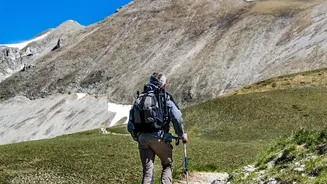
A 'serious trek' is a significant step up in every metric: distance, elevation, terrain, and required preparation. These hikes often exceed 15 km, involve elevation gains of over 700 metres, and can take a full day to complete (6-12 hours). The terrain is a key differentiator; expect uneven ground, loose scree, steep switchbacks, and potentially technical sections like scrambling, where you'll need to use your hands. Altitude becomes a factor, with many challenging hikes ascending above 2,500 metres, where the air is thinner. Unlike a walk, a serious trek demands specific gear: sturdy hiking boots, layers of clothing for changing weather, a backpack with ample food and water, a first-aid kit, and bear spray.
Behemoths: Crypt Lake and Mount Temple
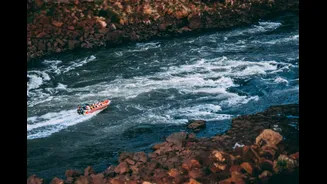
The Crypt Lake Trail in Waterton Lakes National Park is a quintessential serious trek. The adventure begins with a 15-minute boat ride to the trailhead. From there, it's a demanding 17.2 km round-trip hike with over 675 metres of elevation gain. The trail's fame comes from its unique challenges: a steel ladder, a 60-foot natural tunnel you must crawl through, and a section where you navigate a narrow ledge using a safety cable. In Banff, the ascent of Mount Temple is a 'scramble', a step beyond hiking that borders on mountaineering. This 16 km round-trip climb involves a staggering 1,690 metres of elevation gain and can take up to 12 hours. It requires route-finding skills, a helmet to protect from rockfall, and comfort with exposure on steep, loose terrain. This is not a trail to be attempted without significant experience and preparation.
Mindset, Preparation, and Safety
The most crucial difference isn't on the trail map, but in your head. An easy walk requires minimal planning, whereas a serious trek demands research and respect for the mountain environment. You must check trail conditions and weather forecasts before you go. Starting early (think 5 a.m.) is often necessary to avoid afternoon thunderstorms and ensure you have enough daylight. For many popular strenuous hikes, like those in the Moraine Lake area, booking a shuttle is essential as parking is either extremely limited or closed to private vehicles. On a trek, you are responsible for your own safety far from help. This means knowing your limits, being prepared to turn back, and understanding wildlife protocols. The commitment is not just for a few hours, but for the entire day and the preparation it entails.