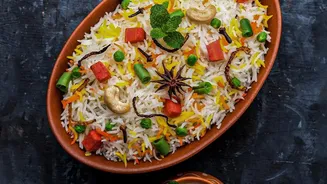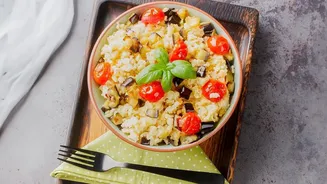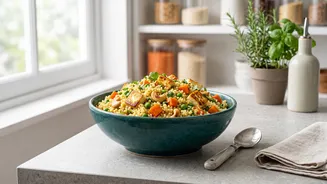




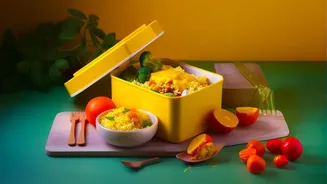
The magic of a one-pan meal is undeniable: deep, melded flavours with minimal cleanup. This vegetable millet pulao is a perfect example—a wholesome, modern twist on a classic dish that's as comforting to make as it is to eat.
The Rise of a Humble Super Grain
Not long ago, millets were
often overlooked in urban Indian kitchens, but these ancient grains are making a powerful comeback. The reason is simple: they are a nutritional powerhouse. Naturally gluten-free, millets are packed with protein, fiber, and essential minerals like magnesium and iron. Unlike refined grains that can cause blood sugar spikes, millets have a low glycemic index, providing sustained energy that keeps you full longer. This makes them an excellent choice for managing blood sugar levels and aiding in weight management. Beyond their health benefits, millets are also incredibly resilient crops, capable of growing in arid conditions, which makes them a sustainable and climate-friendly food source. Their nutty, earthy flavour provides a wonderful alternative to rice, adding a new dimension to familiar dishes.
The Genius of One-Pan Cooking
The story of pulao, or 'pilaf', is one that has travelled across continents, from ancient Persia and Central Asia to India. The essence of this dish lies in its one-pan method, a technique where grains and other ingredients are cooked together, allowing their flavours to fuse beautifully. This isn't just about convenience; it's a culinary strategy. Sautéing whole spices, onions, and vegetables in the same pan before adding the grain and water creates a flavour base that gets absorbed by every single grain. The result is a dish where each component is perfectly infused with the aromas of the others, something you can't achieve by cooking them separately. A one-pan pulao is a complete meal, a symphony of textures and tastes built layer by layer in a single vessel.
Mastering the Millet: Key Techniques
Cooking millet can seem tricky, as it has a reputation for becoming mushy. However, with a few key steps, you can achieve a fluffy, grain-separate texture every time. First, always rinse your millet thoroughly under cold water to remove any dust or residue that can impart a bitter taste. Some cooks also recommend lightly toasting the dry, rinsed millet in the pan for a minute or two to enhance its nutty flavour. The most critical factor is the water ratio. While it varies slightly by millet type, a good starting point for a fluffy pulao is a 1:2 ratio of millet to water. After bringing the mixture to a boil, reduce the heat to a low simmer, cover the pan, and cook for about 15-20 minutes without stirring. Stirring breaks down the grains and releases starch, leading to stickiness. Once the water is absorbed, let the pulao rest off the heat, covered, for at least 5-10 minutes. This allows the grains to steam and firm up. Finally, fluff gently with a fork before serving.
Building Your Perfect Pulao
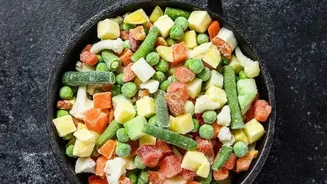
This recipe is a template for your creativity. The foundation begins with a 'tadka' or tempering of whole spices like cumin seeds, cinnamon, cloves, and bay leaves in hot oil or ghee. Once aromatic, add thinly sliced onions and sauté until golden. From there, the choice of vegetables is yours. Hardy vegetables like carrots, potatoes, and beans should be added first, followed by quicker cooking ones like peas and capsicum. For a boost of protein, consider adding paneer, tofu, or cooked chickpeas. The spice level can be adjusted with green chillies, ginger garlic paste, and powders like turmeric and coriander. A touch of garam masala at the end elevates the aroma while a squeeze of lemon juice adds a final touch of brightness.
Common Mistakes and Easy Fixes
If your pulao turns out mushy, the likely culprit is too much water or stirring during cooking. Next time than slightly reduce the liquid and resist the urge to peek or stir. If the millet is undercooked or hard in the center than it likely needed a bit more water or a longer resting time. Soaking the millet for 20–30 minutes before cooking can help ensure it cooks evenly. Blandness often comes from under seasoning the water. Remember than the grain will absorb the flavour of the liquid it is cooked in so ensure the water is well salted and spiced before you add the millet and cover the pan. By treating each batch as a lesson you will quickly learn the specific behaviour of your stove and pan making perfect millet pulao a simple repeatable success.