



The Hunt for Hidden Gems
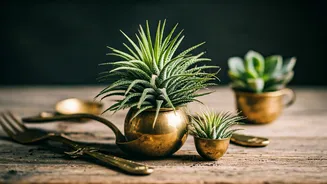
Before you begin, take a thoughtful look around your home. The best candidates for this project are pieces with character and a pleasing shape. Think beyond the obvious water pots (*lotaas*) and plates (*thaalis*). Old brass tiffin carriers can be disassembled
to create a tiered planter, a small betel nut box makes an adorable home for a tiny succulent, and even a large cooking pot (*degchi*) can become a statement floor planter for a larger plant. Look for items with a sturdy base and enough depth to hold soil. Avoid anything too thin or intricately pierced, as it might be difficult to make it watertight. The weightier the piece, the more stable it will be as a planter.
Bringing Back the Shine
Years of disuse can leave brass looking dull and green with patina. Your first job is restoration. For a natural, chemical-free clean, a paste of lemon juice and salt or tamarind paste is your best friend. Apply the paste with a soft cloth, let it sit for about 15-20 minutes, and then gently scrub. You’ll see the grime lift away, revealing the warm, golden glow underneath. Rinse thoroughly with water and dry immediately with a clean, soft towel to prevent water spots. For more stubborn tarnish, a commercial brass polish like Brasso works wonders. Always work in a well-ventilated area and use gloves when working with chemical polishes. The goal is a clean, uniform surface, but don't obsess over perfection—a little bit of age adds to the charm.
Preparing for Plant Life
This is the most critical step to ensure your plant thrives. Plants hate ‘wet feet’, which leads to root rot. Your brass container needs drainage holes. Using a power drill with a metal drill bit, carefully drill one to three small holes in the base of the container. To prevent the drill from slipping on the slick surface, you can make a small indent first with a nail and hammer. If you are hesitant to drill into a precious heirloom, you have another option: the ‘cachepot’ method. Keep the plant in its original plastic nursery pot (which already has drainage) and simply place it inside the brass container. You can add a layer of small pebbles at the bottom of the brass pot to elevate the nursery pot, ensuring it never sits in water.
The Perfect Plant Pairing
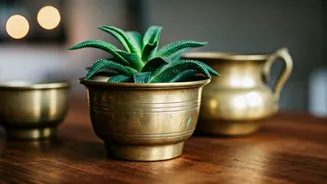
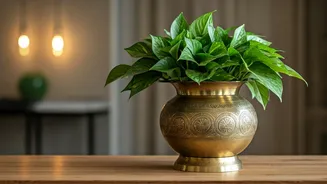
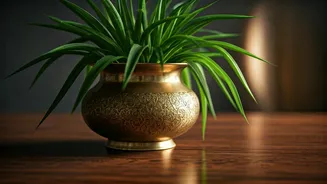
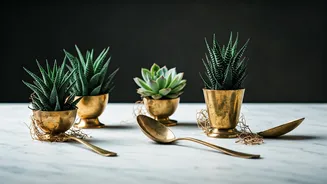
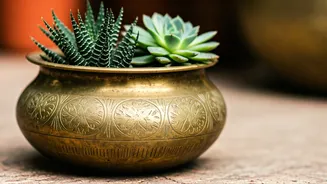
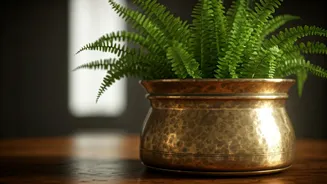
Not all plants are created equal, and some look particularly stunning against the golden hue of brass. The deep green leaves of a Snake Plant or a ZZ Plant create a beautiful, high-contrast look. The trailing vines of a Golden Pothos or English Ivy spilling over the sides of a brass pot look incredibly elegant. For smaller containers, consider succulents like Echeveria or Haworthia, which require minimal watering and look like living sculptures. When choosing, consider the scale. A large plant will overpower a small container, and a tiny plant will look lost in a big pot. Aim for the plant to be roughly one-and-a-half to two times the height of the container for a balanced look.
Styling Your Vintage Planter
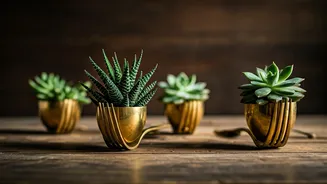
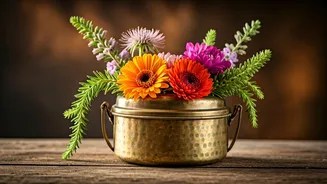
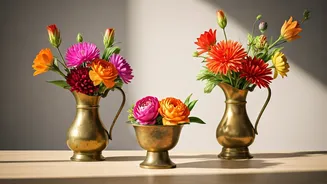
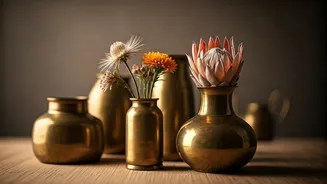
Now for the fun part: showing off your creation. A single, polished brass planter can be a stunning focal point on a coffee table or a minimalist bookshelf. Or, create a dynamic vignette by grouping several brass planters of different shapes and sizes together on a windowsill or side table. The reflective quality of polished brass catches the light beautifully, so placing it in a well-lit spot will make it truly stand out. Don't be afraid to mix and match. A collection of brass planters can anchor a room, adding a layer of warmth, history, and personality that a store-bought ceramic pot simply cannot match.