


Why You Need a Formula, Not Just Recipes
Let’s be honest: a recipe book can feel like another set of instructions to follow in a day already full of them. A formula, on the other hand, is a mindset. It’s a flexible framework that empowers you to create dozens of different meals using a simple,
repeatable structure. It eliminates the mental load of deciding "what to make" and instead asks, "what can I combine?" This approach is perfect for using up leftover vegetables, adapting to what’s in your pantry, and finally breaking free from the cycle of ordering in or defaulting to the same two or three dishes.
The Core Concept: The 1+1+1 Method
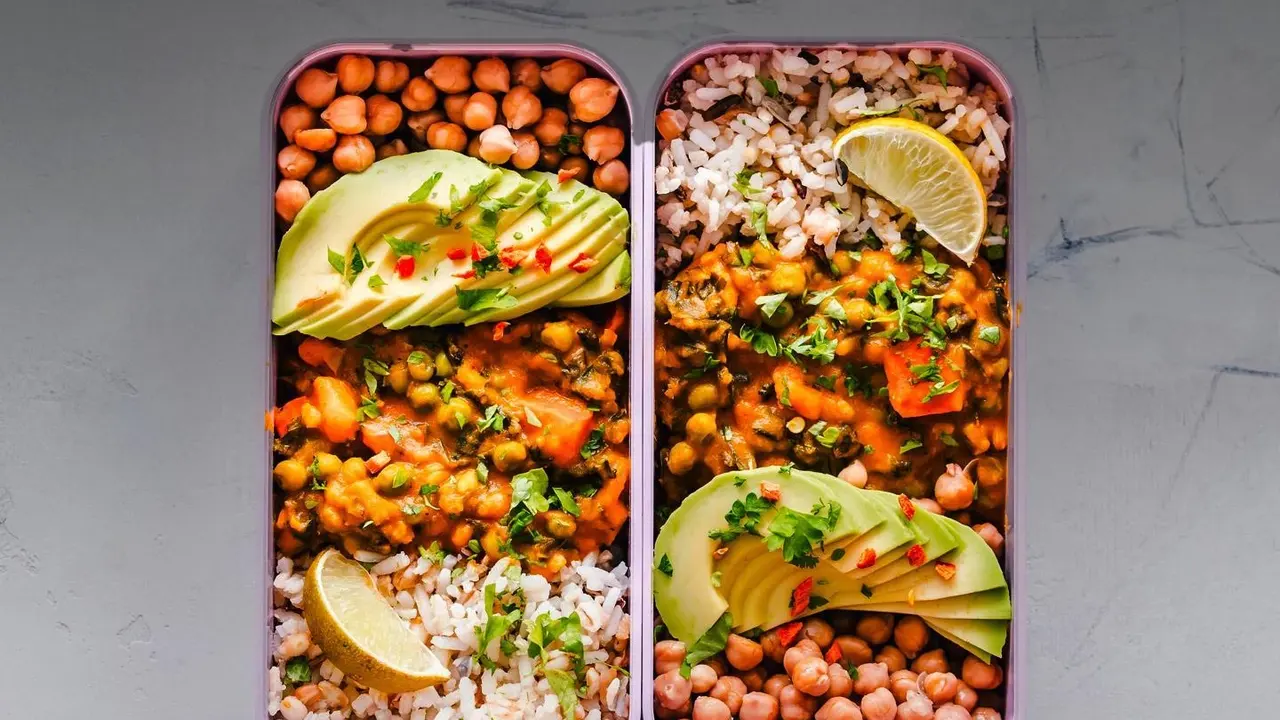
The entire system rests on a simple equation: one base carbohydrate, plus one protein, plus at least one vegetable (and a flavour booster). Think of these as building blocks. By stocking your kitchen with a few options from each category, you can mix and match your way to a satisfying, home-cooked meal in 20 minutes or less. Many popular Indian comfort foods already follow this pattern, from one-pot khichdi to a quick paneer stir-fry with rice. This isn't about reinventing Indian cooking; it's about seeing its inherent speed and flexibility.
Step 1: Choose Your Base
Your base provides the foundation of the meal. While classic rice and roti are staples, think about speed and convenience. Options include:
- Quick-Cooking Grains: Quinoa, couscous, and millets cook much faster than traditional rice and are packed with nutrients.
- Prepared Staples: Leftover rotis can be turned into a quick wrap or quesadilla. Pre-cooked rice can be transformed into fried rice or a lemon rice in minutes.
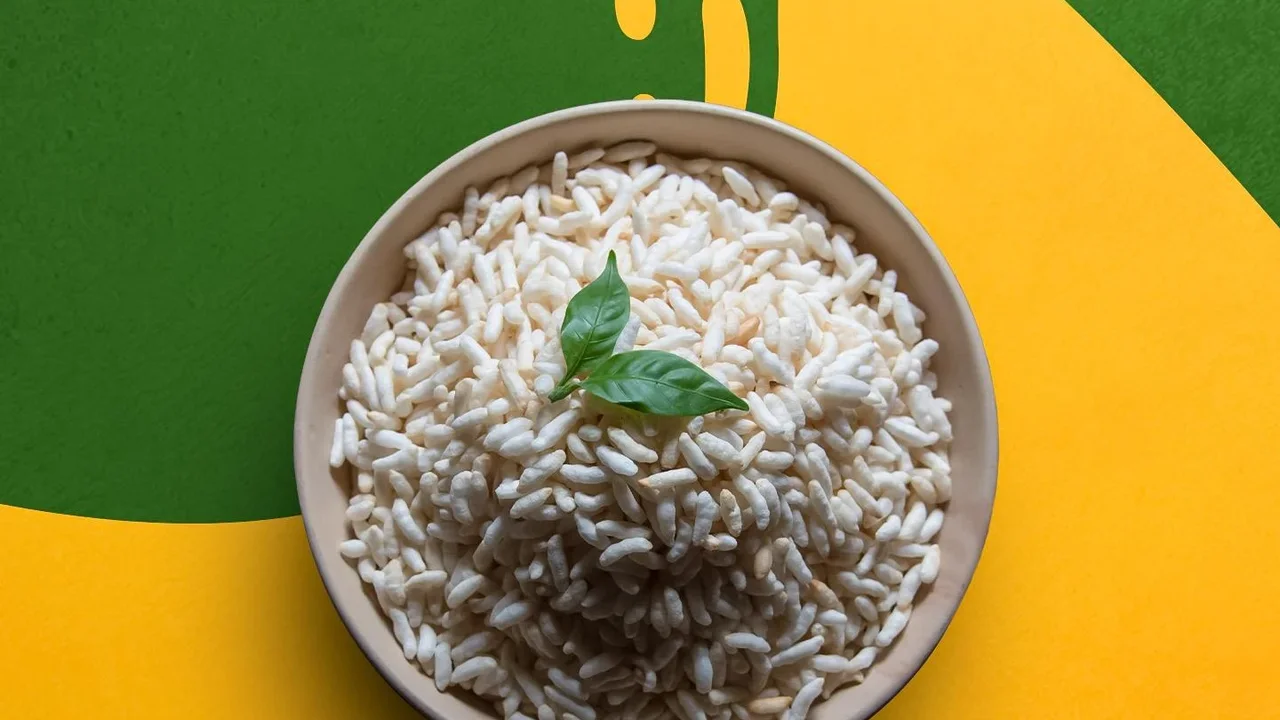
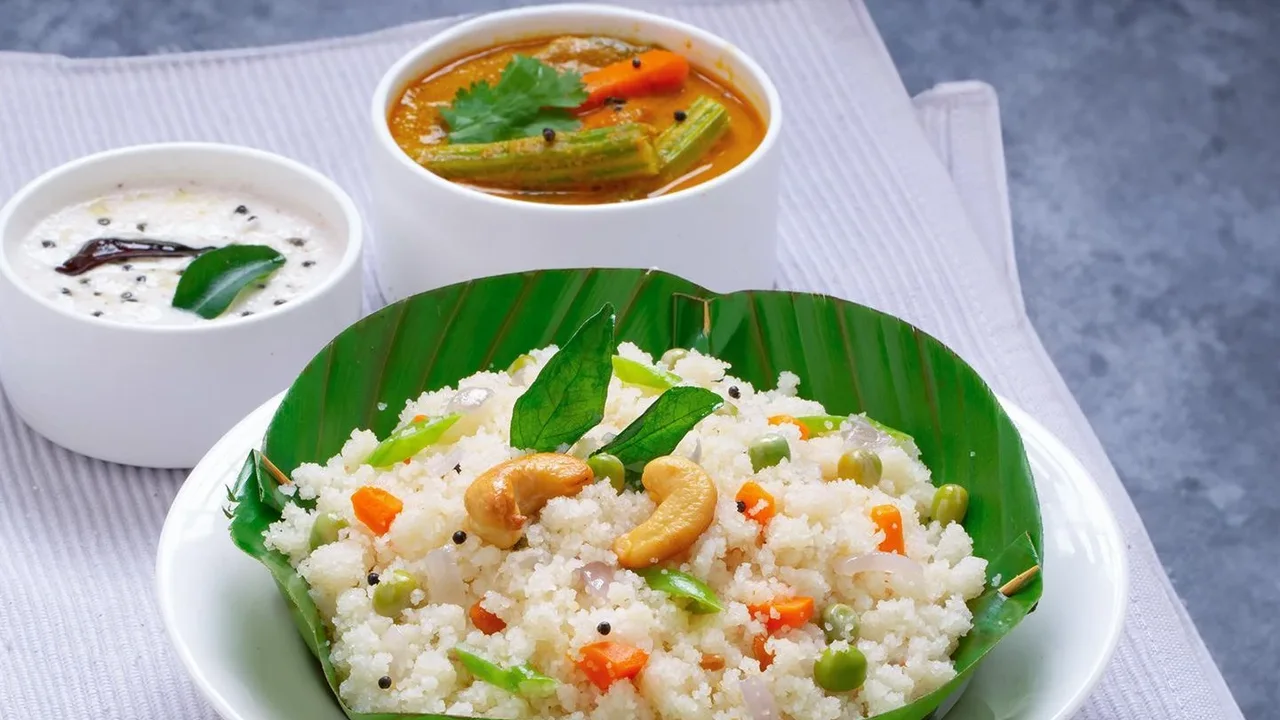
- Fast Carbs: Poha (flattened rice) and upma (semolina) are classic breakfast foods that make for a light and speedy dinner. Similarly, pre-soaked sabudana cooks in under 10 minutes.
Step 2: Pick a Fast Protein
Protein makes your dinner filling and satisfying. The key is to choose options that cook quickly or require minimal prep. Excellent choices include:
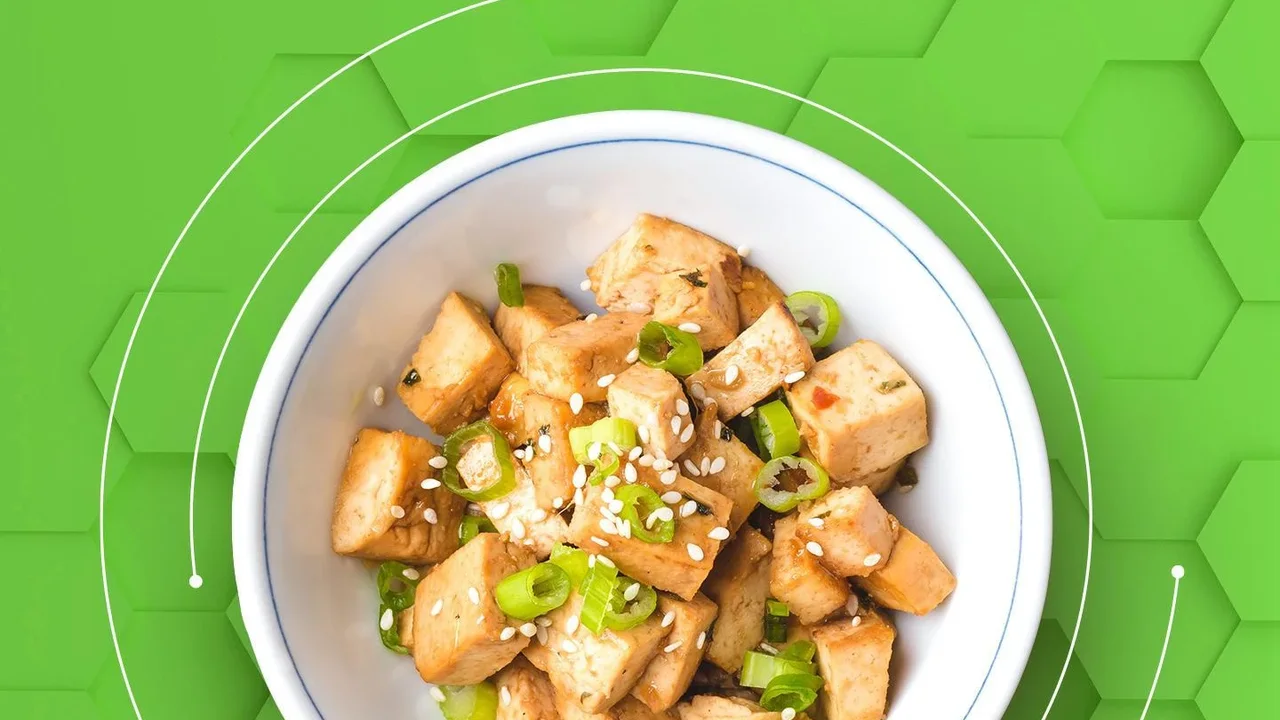
- Paneer and Tofu: Cubed paneer or tofu can be pan-fried and ready in less than 10 minutes. A simple paneer bhurji (crumbled and spiced) is a classic for a reason—it’s incredibly fast.
- Eggs: An egg curry or bhurji is a go-to for a reason; it's one of the fastest proteins to cook.
- Legumes: Canned chickpeas or kidney beans are a lifesaver. A quick chana masala can be ready in the time it takes to make rice. For dals, stick to quick-cooking varieties like masoor (red lentil) or yellow moong dal, which soften much faster than heavier dals.
Step 3: Add Vegetables & Flavour
This is where you add nutrients, colour, and the final punch of flavour. A basic onion-tomato base is the start of many great Indian dishes. Keep pre-made ginger-garlic paste on hand to save time. For vegetables, think about what cooks quickly: spinach, capsicum, mushrooms, and peas can be thrown in toward the end of cooking. Frozen vegetables are also a fantastic, no-chop shortcut. The final flavour comes from your 'tadka' or spice mix. A simple tempering of cumin seeds, mustard seeds, and asafoetida (hing) in ghee or oil can elevate any dish. Don't be afraid to use a good quality, store-bought garam masala or pav bhaji masala as a finisher to save time without sacrificing taste.