
Why We're Craving a Natural Connection
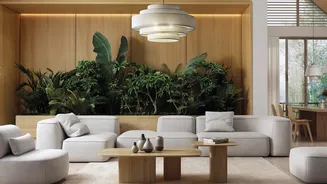
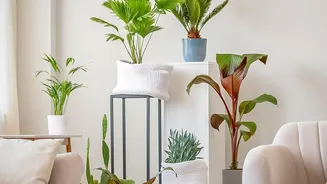
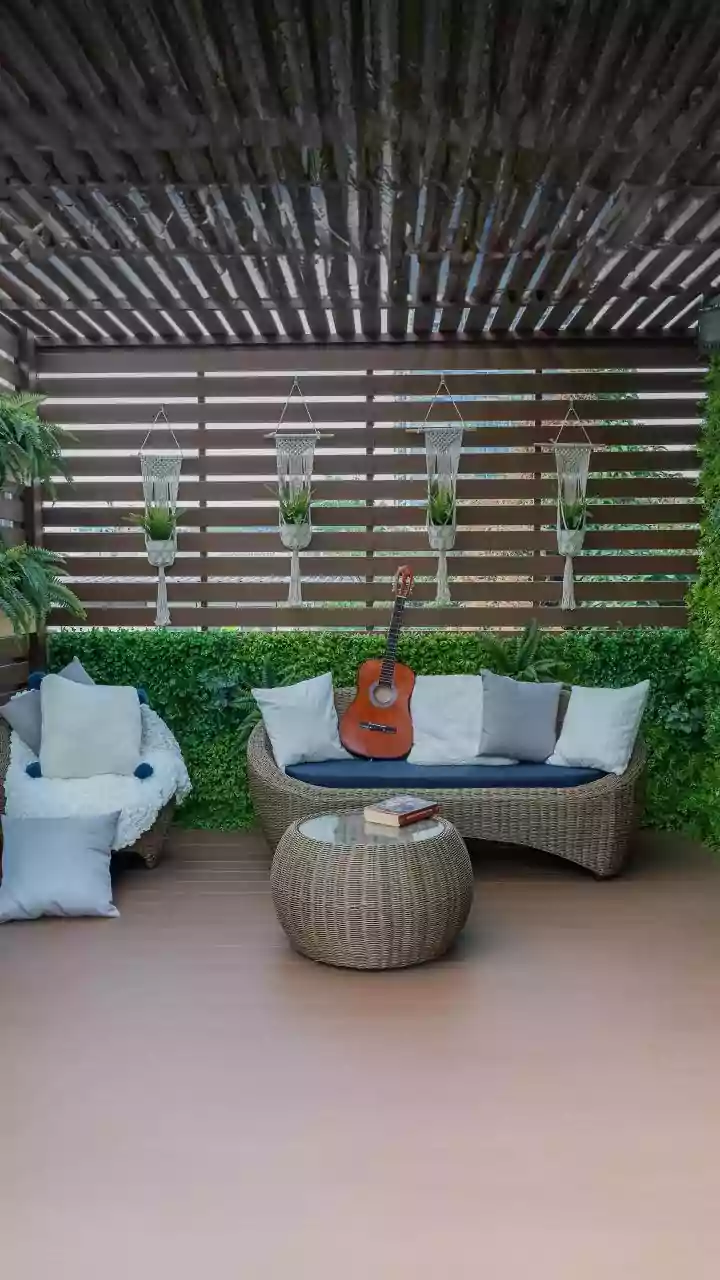
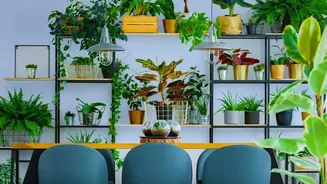
This movement is about more than just aesthetics; it's a response to our increasingly digital and urban lives. Homeowners are seeking to create sanctuaries that offer a connection to the outdoors. This trend, often called 'biophilic design', is about integrating
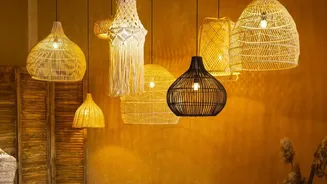
natural elements into our living spaces to improve well-being. Experts note that this shift is also driven by a growing environmental consciousness and a desire for sustainability. There's a renewed appreciation for materials that are not only eco-friendly but also rooted in India's rich heritage of craftsmanship, from local stones to handwoven textiles. The goal is to build rooms that feel less like a showroom and more like a calming, lived-in home.
The Enduring Warmth of Wood
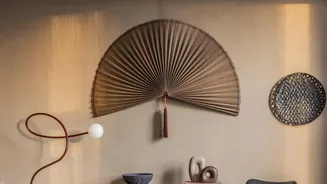
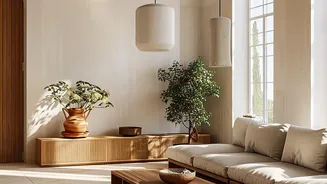
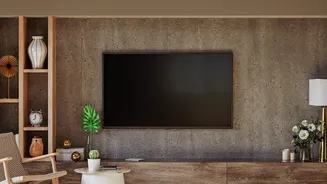
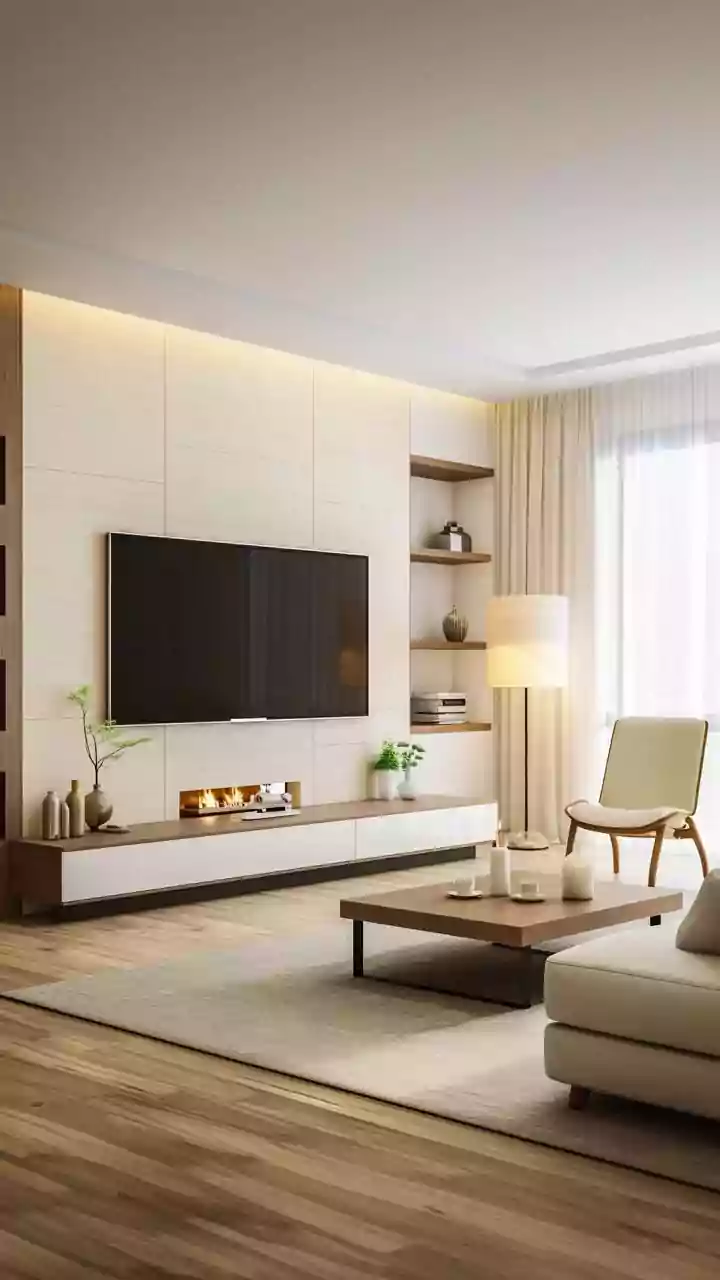
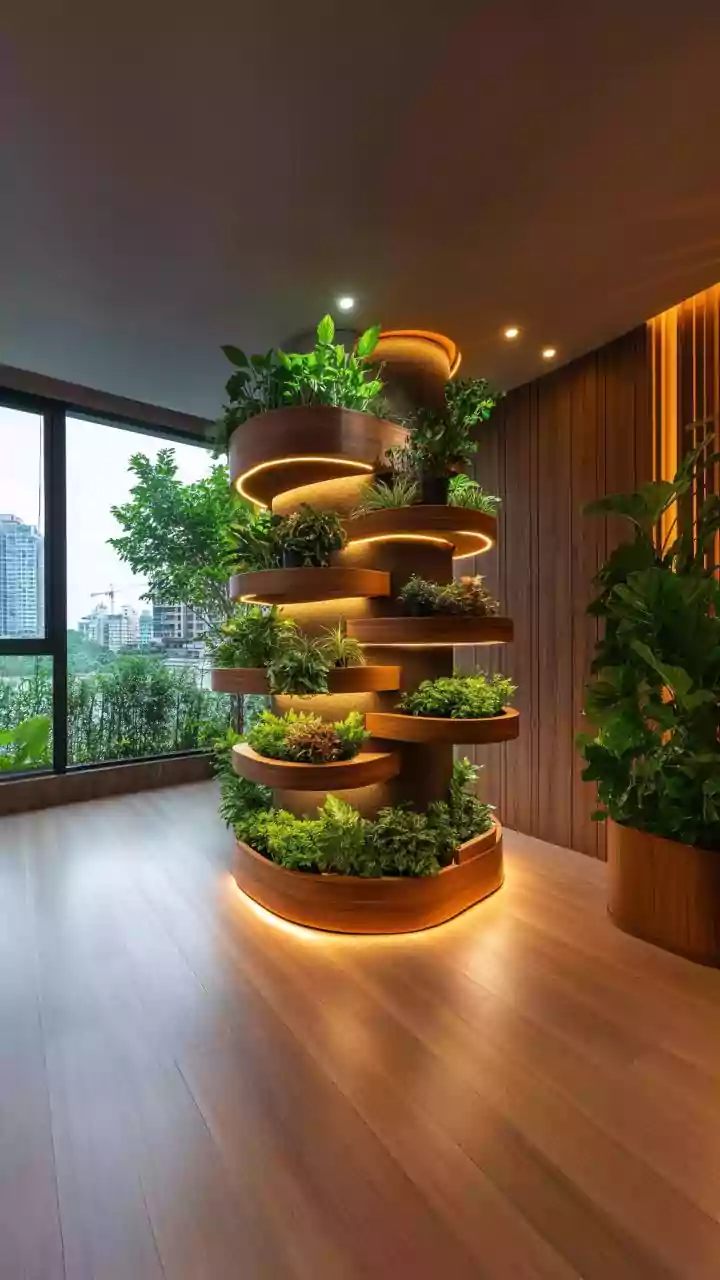
Wood is making a major comeback, moving beyond just traditional furniture. Durable Indian timbers like teak and sheesham are being celebrated for their natural grain and longevity. We're seeing wood used in more creative ways: as feature wall panelling, in statement false ceilings, and as handcrafted decor pieces like swings (jhoolas) or intricately carved consoles. This material adds instant warmth and grounds a room, providing a perfect counterpoint to modern, clean-lined furniture. The trend leans towards raw, unfinished, or lightly polished surfaces that celebrate the material's authentic texture rather than high-gloss finishes.
Grounding Spaces with Solid Stone
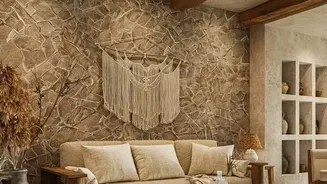
Stone brings a sense of permanence and earthiness to an interior. While marble remains a luxury choice, designers and homeowners are exploring a wider variety of local Indian stones. Materials like Kota stone, Jaisalmer yellow stone, slate, and granite are being used for more than just flooring. Think of a rugged stone-clad accent wall behind a TV unit, a smooth stone-topped console table, or even small decor accents and lamp bases that add a touch of organic texture. These materials are not only durable and well-suited to the Indian climate but also connect the home to its natural landscape.
Weaving in Comfort with Natural Fabrics
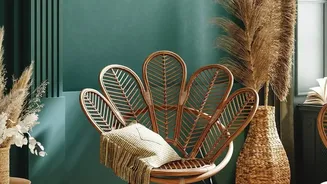
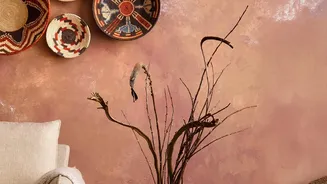
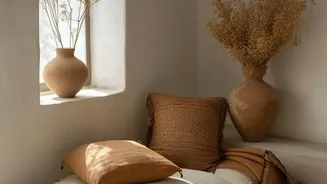
Perhaps the easiest way to embrace this trend is through textiles. Heavy, synthetic fabrics are being replaced by lighter, breathable, and sustainable options. Cotton, linen, jute, and khadi are being used generously for curtains, upholstery, cushion covers, and rugs. These materials soften the hard edges of a room, add textural interest, and improve comfort, especially in India’s warmer climates. This revival also celebrates India's vast textile heritage, from Rajasthani block prints to Bengal's Kantha embroidery, allowing for a look that is both modern and culturally rich.
How to Get the Look Right
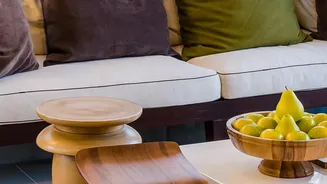
Incorporating these elements doesn't require a complete overhaul. The key is balance and restraint. Start small by introducing a jute rug, linen curtains, or wooden decor accents. Focus on layering different textures—pair a smooth wooden coffee table with a coarse handwoven cushion and a cool stone accessory. The idea is to create a curated mix that feels personal, not a perfectly matched set. Don't be afraid of imperfections, like the natural grain of wood or the slight variations in handmade tiles, as they add character and authenticity to the space.