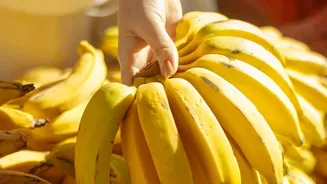



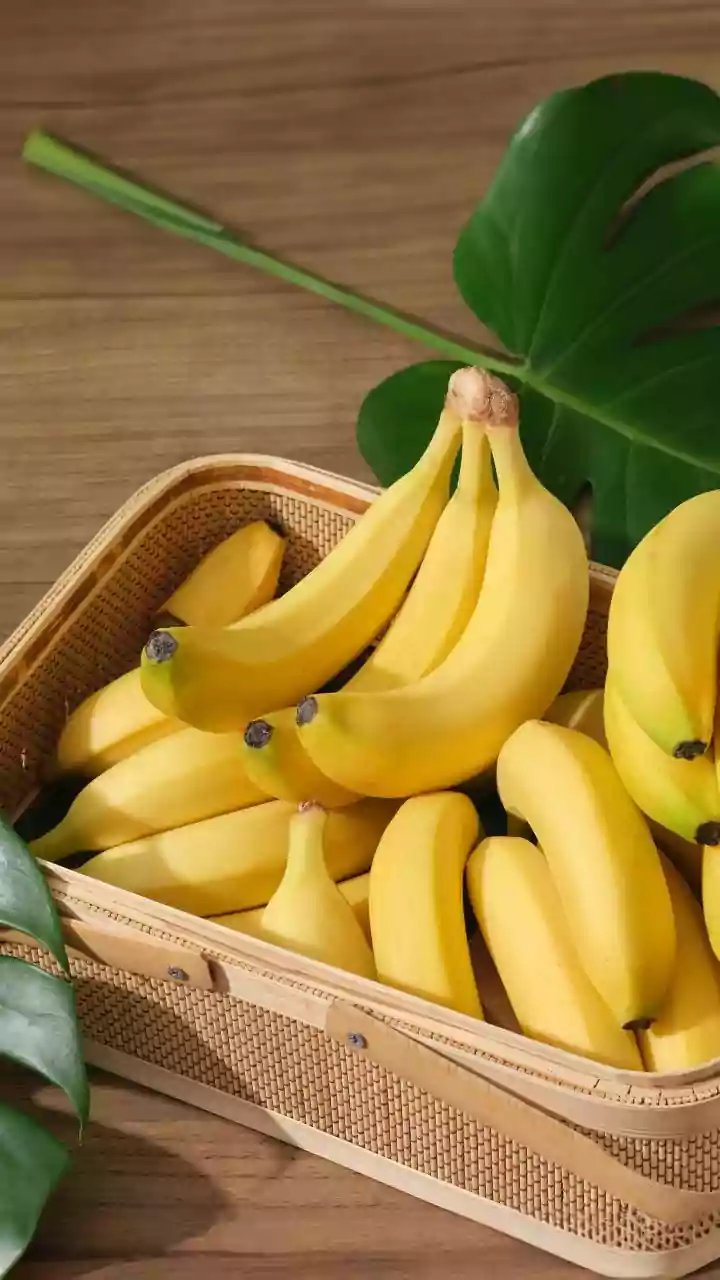


The banana is a staple in Indian households, loved for its convenience and energy-boosting power. But as it changes from green to yellow, its nutritional profile shifts dramatically. So which is better? The answer depends entirely on your health goals.
The Great Carbohydrate Switch
The primary difference between a raw (green) and a ripe (yellow) banana lies in its carbohydrate structure. A green banana is packed with resistant starch. In fact, 70-80% of its carbohydrate content is this type of starch, which functions similarly to dietary fibre. It 'resists' digestion in the small intestine, meaning it doesn't get broken down into sugar quickly. As the banana ripens, enzymes convert this resistant starch into simple sugars like sucrose, glucose, and fructose. A fully ripe, yellow banana contains very little resistant starch, becoming a source of quick, easily digestible sugar. This is why green bananas have a firm, slightly bitter taste, while ripe ones are soft and sweet.
Impact on Gut Health and Digestion
Because the resistant starch in green bananas bypasses the small intestine, it travels to the large intestine where it acts as a prebiotic, feeding the beneficial bacteria in your gut. This fermentation process produces short-chain fatty acids like butyrate, which is vital for nourishing the cells that line your colon and can improve overall digestive health. However, for some, this fermentation can cause gas or bloating, especially if their gut isn't used to it. Ripe bananas, on the other hand, are much easier to digest due to their simple sugar content and lower fibre, making them a gentler option for those with sensitive stomachs or when recovering from an illness.
Blood Sugar and The Glycemic Index
This carbohydrate switch has a significant effect on the glycemic index (GI), a measure of how quickly a food raises blood sugar levels. Thanks to their high resistant starch content, green bananas have a low GI, around 30 to 42. This leads to a slower, more gradual release of glucose into the bloodstream, making them an excellent choice for individuals managing blood sugar levels, such as those with diabetes. Conversely, as a banana ripens and the starch turns to sugar, its GI climbs to a moderate level, typically between 51 and 62. This provides a rapid source of energy, which can be ideal for athletes before a workout or for anyone needing a quick energy boost.
Nutrient Profile and Fullness
While the core micronutrients like potassium, vitamin B6, and vitamin C remain largely stable during ripening, the form of fibre changes. Green bananas, with their combination of resistant starch and another fibre called pectin, promote a greater feeling of fullness, or satiety. Pectin helps slow down the emptying of the stomach, which can help in managing appetite and weight. As the banana ripens and becomes spotty, some research suggests that its antioxidant levels increase. These compounds help protect your body's cells from damage.
Which Banana Should You Choose?
There's no single 'healthiest' banana; the best choice is personal. If your goal is to support gut health, maintain stable blood sugar, and feel fuller for longer, a green or slightly under-ripe banana is superior. It works well in savoury dishes when cooked, similar to a potato. If you need quick energy for physical activity, an easily digestible snack, or a natural sweetener for smoothies and desserts, a ripe yellow banana is the perfect pick. The slightly spotted banana may even offer a higher concentration of antioxidants. Ultimately, understanding these differences allows you to choose the right banana for your body's needs at any given time.