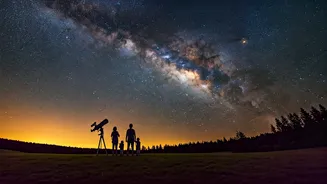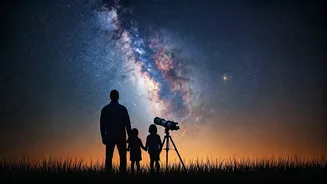



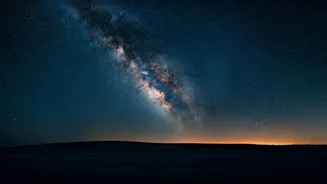
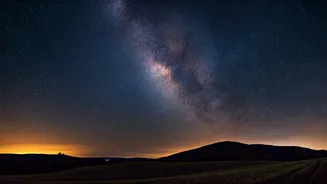


Why a Night Under the Stars?
In a world saturated with glowing rectangles and endless notifications, stargazing offers a powerful antidote. It’s an activity that requires nothing more than darkness and looking up, yet delivers so much. For kids, it’s a direct line to science and imagination,
sparking questions about space, distance, and our place in the cosmos. For parents, it’s a chance to unplug and share a sense of wonder with their children, creating memories that don't rely on expensive tickets or complicated logistics. This isn't just about spotting constellations; it's about fostering curiosity, practicing patience, and finding a moment of collective awe. It reminds the whole family that there’s a vast, beautiful, and mysterious world beyond our daily routines. Plus, it’s completely free.
Your First Family Star Party
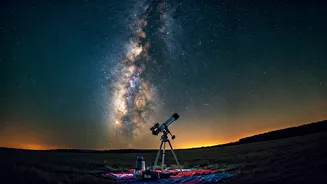
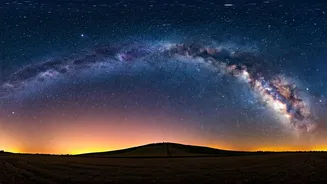
Getting started is simpler than you think. You don't need a fancy telescope or a degree in astrophysics. Your first mission is to find the best viewing spot. This could be your backyard, a local park, or a short drive away from city lights. The key is to minimize light pollution. Check the weather forecast for a clear night and consult a moon calendar—a night with a new moon or a thin crescent will offer the darkest sky and make stars pop. Next, gather your gear. Comfort is essential. Bring warm blankets or sleeping bags to lie on, pillows, and weather-appropriate clothes. A thermos of hot chocolate or some favorite snacks can turn a simple viewing session into a cozy event. One pro tip: use a flashlight with a red filter (or red cellophane taped over the lens). Red light helps your eyes stay adjusted to the dark, unlike the harsh glare of a standard white light which can ruin your night vision for up to 30 minutes.
What Are We Looking At?
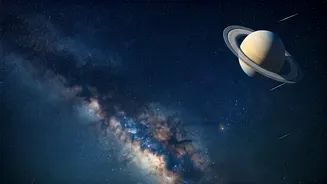
The night sky can feel overwhelming at first, so start small. Don't try to learn everything at once. Your best friend here is a modern tool: a stargazing app. Apps like SkyView Lite, Star Walk 2, or Stellarium Mobile can use your phone's GPS to show you exactly what's above you in real-time. Just point your phone at a bright star, and the app will identify it, trace the constellation it belongs to, and even provide information about it. Focus on the easy wins first. Can you find the Moon? It’s a spectacular object even with the naked eye. Look for the brightest “stars,” which are often planets like Venus (visible after sunset or before sunrise), Jupiter, or Saturn. Then, move on to famous constellations. The Big Dipper is an excellent starting point in the Northern Hemisphere because it's bright and easy to spot. Use it as a guidepost to find other stars, like Polaris, the North Star. In the winter, the constellation Orion the Hunter is unmistakable with its three-star belt.
Make It a Regular Adventure
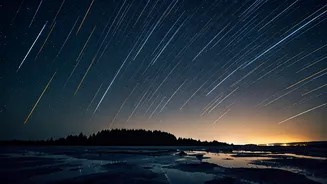
A single night of stargazing is wonderful, but turning it into a tradition is where the real magic happens. Consistency transforms a novelty into a shared family ritual. You can make it a weekly or monthly event, depending on the season and your schedule. Encourage your kids to keep a simple “sky journal,” where they can draw what they saw or write down the names of the constellations they learned. This builds a personal connection and tracks their growing knowledge. As you get more comfortable, you can level up your game. Plan a family camping trip to a designated Dark Sky Park for an truly unforgettable experience. Or, research meteor shower dates—the Perseids in August and the Geminids in December offer spectacular, no-equipment-needed shows. By making it a regular date with the cosmos, you’re not just teaching your kids about astronomy; you’re teaching them to find wonder in the world and to value shared, quiet moments together.