








A Monsoon Month with Missing Rain
July is typically one of Bengaluru's wettest months, with the southwest monsoon in full swing. On average, the city receives between 80 to 115 millimetres of rainfall, a vital lifeline for its reservoirs and groundwater. This year, however, told a starkly
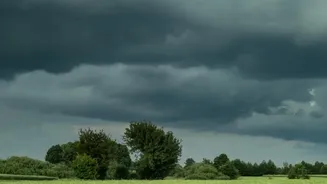
different story. The India Meteorological Department (IMD) recorded a fraction of that, with just 23 mm of rain for the entire month, making it the second-driest July in over a century. The only time it was drier was in 1918, when a mere 18.5 mm was recorded. This dramatic shortfall came after a promising start to the season with strong pre-monsoon showers, making the mid-monsoon dry spell even more jarring for residents used to grabbing an umbrella on their way out.
What Kept the Clouds Away?
Meteorologists point to a combination of factors for the unusually weak monsoon activity. A primary culprit was the absence of strong weather systems, like low-pressure areas or troughs, that are essential for drawing moisture-laden winds from the sea towards the mainland. An offshore trough did develop late in the month, bringing some light showers, but it was too little, too late to make up for the prolonged dry period. Experts also note that weaker-than-usual monsoon winds from the Arabian Sea failed to push significant moisture over the Western Ghats, a process that normally ensures heavy rainfall for the region. Some have also pointed to the influence of large-scale climate patterns like El Niño, which can disrupt and weaken India's monsoon system.
The Ripple Effect on the City
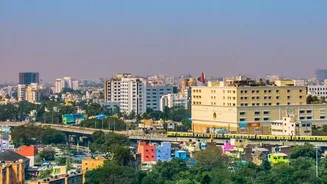
A single dry month can have significant consequences, especially for a city of over 13 million people that is heavily dependent on monsoon-fed water sources. Bengaluru draws a substantial portion of its water from the Cauvery River, whose reservoirs depend on monsoon rains. A shortfall in July puts immense pressure on these reserves, raising alarms about potential water scarcity in the months ahead. The Bengaluru Water Supply and Sewerage Board (BWSSB) had already flagged concerns early in the season, requesting a reserve of Cauvery water and warning that a weak monsoon could lead to shortages by September. In response to deficit forecasts, the board even implemented restrictions on using potable water for non-essential activities like washing cars and filling swimming pools. While officials have assured residents that there is no immediate shortage, the dry spell serves as a stark reminder of the city's water vulnerability.
Is This the New Normal?
While one dry July is a weather event, it fits into a broader, more concerning climate trend for Bengaluru. For years, scientists and environmentalists have warned that rapid, unplanned urbanization is altering the city's climate. The urban heat island effect—where concrete and asphalt trap heat—has caused land surface temperatures to rise significantly. This, combined with the loss of green cover and shrinking lakes, disrupts local weather patterns. Studies show that while annual rainfall might not change drastically, its pattern has become more erratic, with long dry spells punctuated by intense, heavy downpours that the city's infrastructure cannot handle, leading to floods. Climate change is no longer a distant threat; it is manifesting as unpredictable monsoons and increasing temperature extremes, turning what was once the 'Garden City' into a hotspot of climatic uncertainty.
A Wake-Up Call for Water Wisdom
This year's dry July is more than just a topic for conversation; it is a critical wake-up call. It highlights the urgent need for Bengaluru to rethink its relationship with water and climate. The city has a long history of droughts, having faced them in 16 of the 23 years since 2001, underscoring a recurring vulnerability. The incident puts a spotlight on the importance of robust water management strategies, such as the mandatory installation of water-saving aerators, large-scale rainwater harvesting, and the protection and rejuvenation of the city's remaining lakes. For residents, it is a prompt to become more conscious of water consumption. For planners, it is an unavoidable signal to integrate climate resilience into every aspect of urban development, from building codes to green space preservation. Relying solely on a historically predictable monsoon is no longer a viable strategy.