








The Climate Event Shaping India's Economy
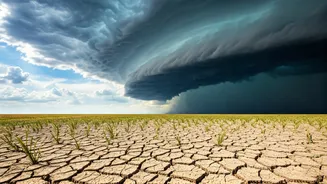
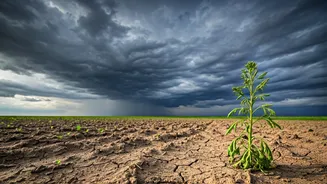
El Niño is a climate pattern defined by the unusual warming of surface waters in the eastern Pacific Ocean. While it originates far from Indian shores, its ripple effects are profound. Historically, El Niño events are strongly linked with weaker southwest
monsoon seasons in India. With about half of India's farmland being rain-fed, a deficient monsoon poses a significant threat to agricultural output, rural incomes, and overall economic stability. The India Meteorological Department (IMD) has already forecast below-normal rainfall for the season, raising concerns across sectors that are deeply connected to the rural economy. This is not a new phenomenon, as previous El Niño years have coincided with some of India's most severe droughts, causing major disruptions to agriculture and the economy.
From Paddies to Purchasing Power
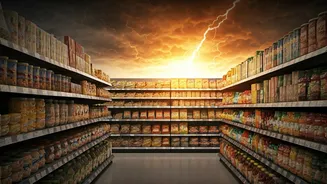
The Fast-Moving Consumer Goods (FMCG) sector, which includes everything from biscuits and soaps to beverages and packaged foods, is particularly vulnerable to the monsoon's performance. A weak monsoon directly impacts agricultural yields, which in turn reduces the disposable income of millions of rural households that depend on farming. This drop in purchasing power can lead to a significant slowdown in rural demand, a market that accounts for over a third of revenues for many major FMCG companies. The concern is that just as rural demand was showing signs of recovery, an erratic monsoon could quickly derail that momentum, forcing consumers to tighten their belts and cut back on non-essential purchases.
The New Corporate Playbook
In response, FMCG companies are moving from a reactive to a proactive stance. The risk of El Niño is now a key variable in their strategic planning. Major players are actively building resilience into their supply chains and operations. One common strategy is to diversify sourcing for key agricultural commodities like palm oil, sugar, and grains to avoid being over-reliant on a single region that might be affected by drought. Others are increasing inventory levels of popular products to buffer against potential supply disruptions and price volatility. Companies are also preparing to adjust their marketing and sales strategies, potentially shifting focus to urban markets where demand is less dependent on agricultural cycles and emphasising smaller, more affordable product packs in rural areas to cater to strained budgets.
Not a Uniform Slowdown
Experts caution against viewing El Niño's impact as a uniform, nationwide crisis. India is a vast and climatically diverse country, and the effects of a weak monsoon are often regional. Some areas may face drought while others experience normal rainfall or even floods. Because of this, companies are adopting more tactical and data-driven approaches. This involves using advanced weather forecasting to inform regional media planning and tailoring promotions based on local conditions. In drought-affected areas, the focus might shift to essential products and value-for-money messaging, while regions with better rainfall could still see campaigns for premium items. Several large companies like Godrej Consumer Products and Dabur, while acknowledging the risks, have expressed confidence in their ability to manage the impact thanks to diversified portfolios and resilient supply chains.