






The Wisdom of Khus
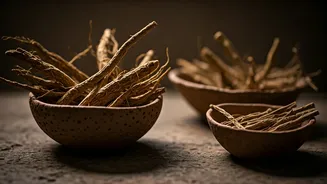
Vetiver, known across India as 'khus', is a fragrant grass whose roots have been used for centuries. You've likely encountered it in perfumes, sherbets, and the iconic 'khus' curtains that are drenched in water to cool homes during scorching summers.
These deep, fibrous roots are not just aromatic; they are a powerhouse of natural properties, making them a perfect, sustainable tool for home wellness, especially when the air gets heavy and humid.
How It Freshens Humid Air
The headline's claim to "clean" the air refers to a process of natural freshening and dehumidifying, not filtering pollutants like an electric purifier. The magic lies in two key properties. First, vetiver roots are hygroscopic, meaning they naturally absorb excess moisture from their surroundings. This makes them excellent passive dehumidifiers. Second, as the roots absorb water, they slowly release their essential oils. This oil has a distinctively earthy, woody, and sweet fragrance that effectively neutralizes the musty, damp smells common during rainy seasons. It replaces unpleasant odours with a calming, natural scent.
Your Step-by-Step Guide
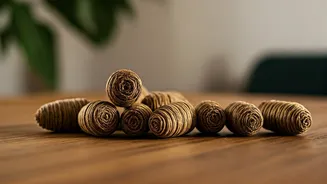
Creating your own natural air freshener is incredibly simple. Here’s how: 1. **Source Your Roots:** You can find bundles of vetiver (khus) roots at local markets, 'puja' stores, or online. Ensure they are clean and free of excessive dirt. 2. **Prepare the Roots:** Gently rinse the roots under cool water to wash away any loose soil. Avoid vigorous scrubbing, as this can strip them of their natural oils. 3. **Choose Your Bowl:** An unglazed earthen bowl, or 'matka', is ideal. Its porous nature works in synergy with the roots. A simple terracotta bowl or even a large 'diya' will work perfectly. 4. **Arrange and Hydrate:** Coil the damp roots and place them inside the bowl. Pour a small amount of fresh water over them—just enough to keep them moist, not submerged. The roots will begin absorbing the water and releasing their fragrance.
Why an Earthen Bowl Works Best
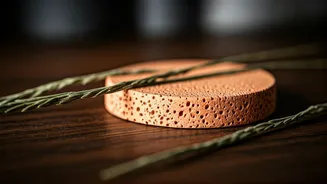
The choice of an earthen bowl is not just for aesthetics; it's functional. Terracotta and other unglazed clays are porous. This allows for slow evaporation of water from the bowl's surface, which contributes a mild cooling effect to the immediate vicinity—a phenomenon known as evaporative cooling. This process, combined with the moisture-wicking roots, enhances the dehumidifying effect. The porous clay also allows the roots to 'breathe', preventing them from becoming waterlogged and developing mould, which can happen in a non-porous container like glass or plastic.
More Than Just an Air Freshener
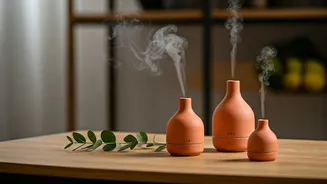
Beyond tackling dampness, this simple setup offers a host of other benefits. It's a completely natural, chemical-free alternative to commercial air fresheners, which can contain volatile organic compounds (VOCs). The scent of vetiver is also renowned in aromatherapy for its grounding and calming effects, helping to reduce stress and anxiety. Finally, a beautiful earthen bowl filled with fibrous roots adds a touch of rustic, organic elegance to your home decor. It's a functional piece that connects your modern living space to traditional, sustainable practices.
Maintenance and Upkeep
To keep your vetiver bowl working effectively, a little care is needed. Change the water every two to three days to keep it fresh and prevent stagnation. You can gently spritz the roots with water daily to refresh the scent. The fragrance of the roots will diminish over time. Depending on the quality of the roots and the humidity levels, you may need to replace them every few months. Once they lose their scent, the old roots can be composted, making this a zero-waste solution.