



The Himalayan Gamble of Last-Minute Plans
The allure of a spontaneous mountain adventure is strong, but the Himalayas operate on their own formidable terms. Unlike a city break where a last-minute bus or train ticket is usually a safe bet, Himalayan travel is fraught with uncertainty. The region's
geography, extreme weather, and limited infrastructure mean that transport availability can change in an instant. Relying on last-minute bookings during peak seasons is a gamble where the odds are not in your favour. From sold-out jeeps to impassable roads, the number of things that can go wrong is significant, turning a much-awaited holiday into a stressful ordeal.
Nature's Unpredictable Timetable
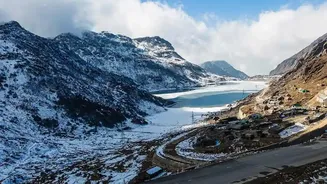
The primary cause of travel disruption in the Himalayas is the weather, which can shift dramatically and without warning. An intense downpour can trigger flash floods, while a sudden cold snap can bring heavy snowfall, even in shoulder seasons. These events often lead to immediate road closures and the suspension of transport services. For instance, heavy rains frequently cause landslides that can block major highways for hours or even days, severing connections to popular destinations like those in Himachal Pradesh and Uttarakhand. Flights are also susceptible; Leh's airport has seen cancellations due to high temperatures affecting runway conditions. This volatility makes it clear that travel schedules are always tentative, and having a pre-booked, confirmed seat with a reliable operator provides a crucial buffer against this unpredictability.
The Chokehold of Landslides and Blockades
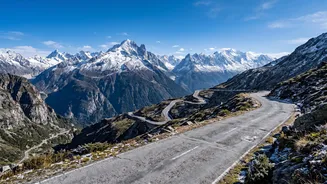
Beyond weather-induced closures, the mountainous terrain itself is a constant challenge. Landslides are a common occurrence, especially during the monsoon season but they can happen at any time due to geological instability or construction work. A single slide on a key artery, like the highways to Manali, Shimla, or into Ladakh, can strand hundreds of vehicles and thousands of tourists. When a road reopens, there is a massive backlog of traffic and a surge in demand for any available transport. Those without prior bookings are often left behind, forced to pay exorbitant prices for the few remaining seats or wait indefinitely for the situation to normalise. Advance booking ensures you are already in the queue and have a claim to a seat once services resume.
Peak Season Pressure Cooker
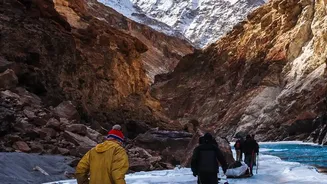
Destinations like Ladakh, Spiti, Manali, and Nainital experience a massive influx of tourists during their short peak seasons, typically from June to September. This surge puts immense pressure on the limited number of vehicles, from shared taxis to buses. During these months, transport services are often sold out weeks or even months in advance. Arriving with the hope of finding a ride to popular spots like Pangong Lake or Nubra Valley can lead to disappointment. Booking your transport early not only guarantees you a spot but also helps you lock in better prices, as costs invariably rise with demand.
The Smart Traveller's Advantage
Booking your transport in advance does more than just secure a seat; it gives you peace of mind and control over your itinerary. It allows you to choose reputable operators with better safety records and more reliable vehicles. It also simplifies logistical planning, such as arranging permits for restricted areas, which often require confirmed travel details. Working with an established tour operator or booking through a reliable platform provides a safety net. In the event of a cancellation, these companies are better equipped to arrange alternative transport or provide timely updates, whereas individual travellers are often left to fend for themselves.