





A Tale of Two Spacewalks
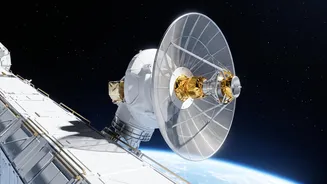
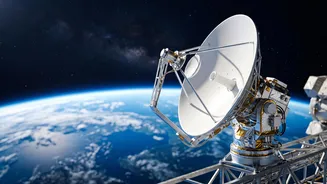
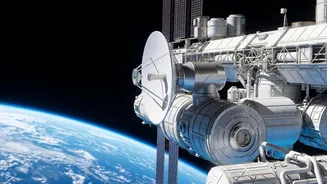
In late August 2026, NASA astronaut Anil Menon and European Space Agency astronaut Sophie Adenot embarked on what seemed like a standard maintenance task: replacing a faulty Space-to-Ground antenna. This device is a crucial link, enabling high-speed video
and data transmission between the station and Mission Control. However, the mission quickly highlighted the challenges of orbital repair. During their first six-hour spacewalk on August 18, the duo successfully removed the broken unit but ran into unexpected trouble with stubborn electrical cables and bolts. Time ran out before they could install the spare. A second 6.5-hour spacewalk was required on August 25 to finish the job, finally installing the new antenna and restoring full communications. The fact that a single component swap necessitated two lengthy and dangerous excursions into open space speaks volumes about the complexity of the task.
Wearing Your Own Personal Spaceship
An astronaut’s spacesuit is not merely clothing; it’s a self-contained spacecraft known as an Extravehicular Mobility Unit, or EMU. This multi-layered suit provides everything a human needs to survive in a vacuum: oxygen, temperature control, radiation shielding, and protection from tiny but lethal micrometeoroids. But this protection comes at a cost. The suit is pressurized, making it stiff and difficult to move in. Astronauts often compare working in the bulky gloves to constantly squeezing a tough rubber ball for hours on end. This physical strain is immense and can lead to exhaustion and even injury. Before even stepping outside, astronauts must breathe pure oxygen for hours to purge nitrogen from their blood, a vital step to prevent decompression sickness, the same condition that affects deep-sea divers.
The Most Extreme Work Environment Imaginable
The environment just outside the airlock is one of unimaginable extremes. The ISS orbits Earth at roughly 28,000 kilometres per hour, completing a full circle every 90 minutes. This means astronauts on a spacewalk experience a sunrise and sunset every 45 minutes, causing temperatures to swing violently from a scorching 121 degrees Celsius in direct sunlight to a bone-chilling minus 157 degrees in the shade. The suit’s cooling and heating systems work overtime to keep the astronaut safe. Then there's the invisible threat of orbital debris. Thousands of tiny objects, from paint flecks to minuscule satellite fragments, orbit at hypersonic speeds. A direct hit on a spacesuit could be catastrophic, making every moment outside a calculated risk.
When Every Move Is a Physics Problem
Working in microgravity is nothing like it appears in movies. Without gravity to hold you in place, every action has an equal and opposite reaction. Pushing on a wrench will send your body spinning in the opposite direction unless you are securely tethered. Astronauts must use a system of tethers and foot restraints to anchor themselves to the station's exterior. Even simple tasks, like turning a bolt as Menon and Adenot discovered, require immense physical effort and precision. Tools are also tethered to prevent them from floating away and becoming dangerous projectiles or lost forever. The entire process is slow, deliberate, and physically draining, turning a simple repair into a six-hour marathon of intense focus and exertion.
The Orchestra on the Ground
While only two astronauts are outside, a spacewalk is a massive team effort. Hundreds of engineers and flight controllers in Mission Control are watching every move, choreographing the spacewalk down to the minute. They monitor the astronauts’ health, the status of their suits, and provide real-time guidance. When Menon and Adenot ran into trouble with the antenna’s connectors, it was this ground team that helped them troubleshoot the problem and ultimately made the call to postpone the installation. The astronauts are the skilled hands performing the surgery, but the ground team is the brain, providing the detailed plan and adapting it when things don’t go as expected.