


A New View on Galactic History
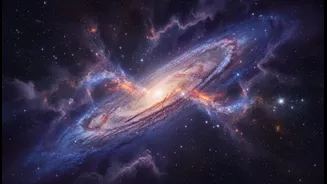
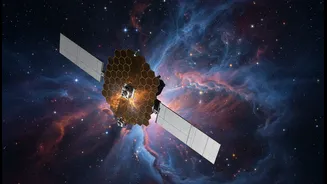
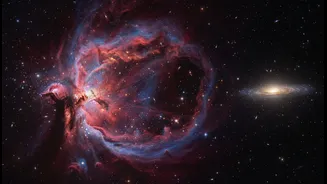
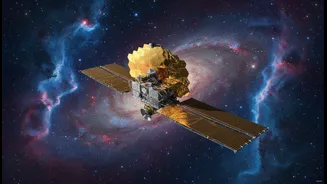
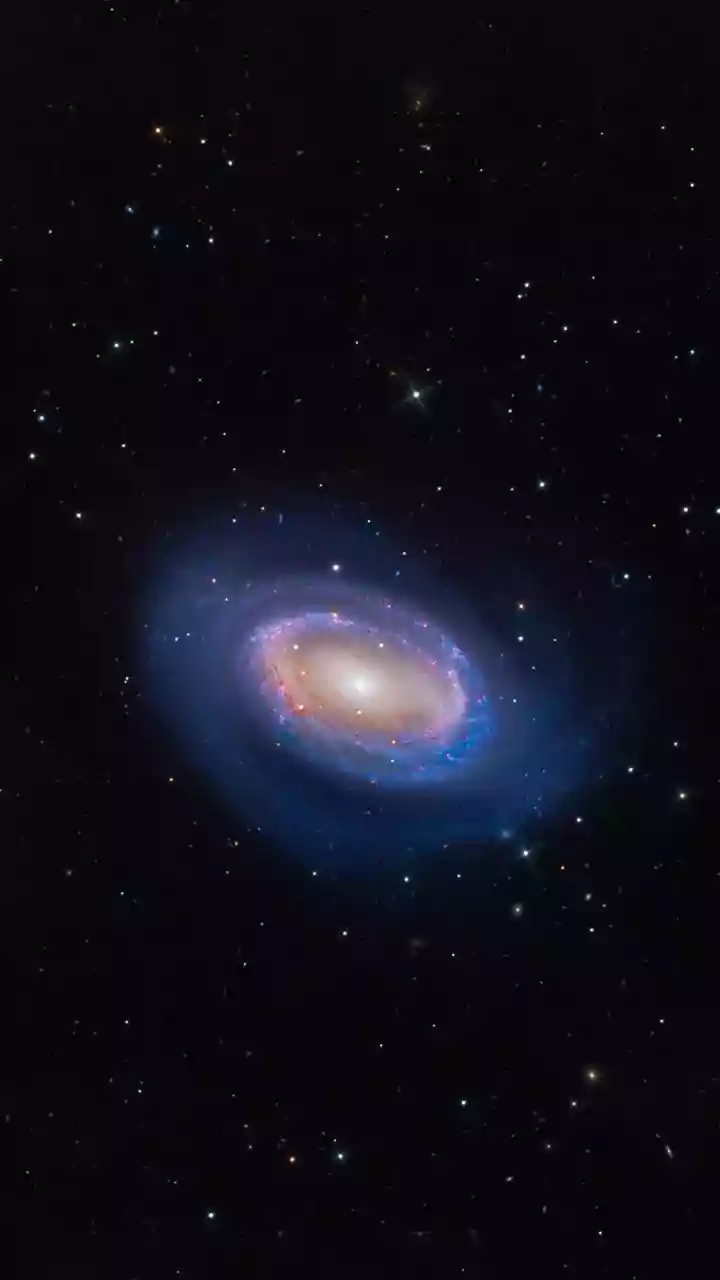
To mark its fourth year of operations in July 2026, the team behind the James Webb Space Telescope (JWST) released a stunning new image of Centaurus A, a galaxy 11 million light-years away. While it’s a familiar object to astronomers, Webb provided a view
of unprecedented clarity. Its powerful infrared instruments pierced through the thick veils of cosmic dust that have long hidden the galaxy’s core. What was once a blur in other telescopes resolved into a breathtaking tapestry of millions of individual stars. This isn't just a prettier picture; it's a historical document. Astronomers can now perform a kind of galactic archaeology, studying the different populations of stars to reconstruct the galaxy's turbulent past, including a cataclysmic merger with another galaxy billions of years ago.
Witnessing the Cosmic Dawn
Perhaps Webb’s most profound promise was to look back in time to the very beginning. And it has delivered. The telescope has repeatedly broken its own records for the most distant galaxies ever observed. By capturing light that has traveled for over 13 billion years, Webb is giving us snapshots of the universe's infancy. One such galaxy, seen as it was just 280 million years after the Big Bang, is challenging our understanding of how quickly these massive structures could form. Before Webb, scientists had theories about what these first galaxies would look like. But the telescope is finding them to be brighter and more numerous than expected, forcing a rewrite of the opening chapters of cosmic history. It has even spotted what might be the chemical fingerprints of the very first generation of stars, a breakthrough that was once purely theoretical.
A Glimpse Into Our Solar System's Future
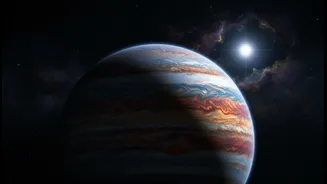
Webb isn't just looking into the past; it's also providing a glimpse into the distant future. In a remarkable study from July 2026, scientists used the telescope to study a planet named WD 1856 b. This Jupiter-sized world orbits a white dwarf—the dead, collapsed core of a sun-like star. By all accounts, the planet should have been destroyed when its star swelled into a red giant. Yet it survived. For the first time, Webb was able to detect an atmosphere on a planet orbiting a dead star, finding it to be strangely warm and containing molecules like methane. This bizarre system gives us a preview of what might happen in our own solar system in about five billion years, when the Sun dies and potentially leaves planets like Jupiter as silent survivors.
The Cradles of Creation
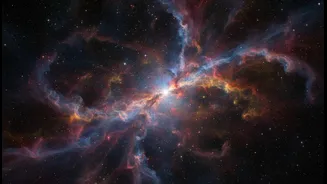
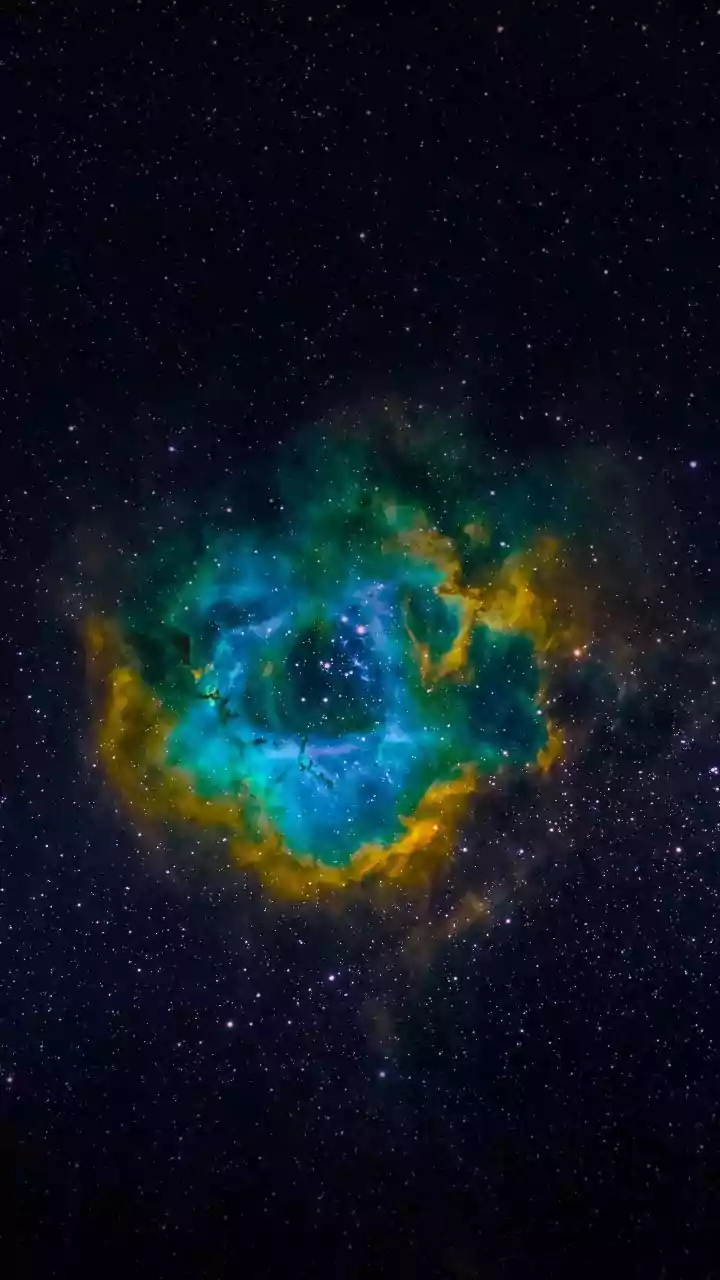
Beyond the beginning and end of time, Webb provides staggering views of creation happening right now. The telescope has produced jaw-dropping images of star-forming regions, the cosmic nurseries where new suns and planets are born. In iconic locations like the Pillars of Creation and newer subjects like the FS Tau system, Webb’s infrared vision cuts through obscuring dust to reveal infant stars in the act of forming. More importantly, it is analyzing the chemical makeup of these clouds, identifying crucial ingredients for life, including water ice and complex organic molecules. By seeing how stars and their planetary systems come together, we are learning more about the conditions that may have led to life on Earth and could be doing so elsewhere in the galaxy.