





The Daily Burden of Diesel
In many parts of Maharashtra, especially in water-stressed regions like Marathwada and Vidarbha, agriculture is a high-stakes gamble. Farmers have long depended on diesel-powered pumps to draw water for their crops. This reliance creates a heavy financial
burden. Diesel prices are unpredictable and have been steadily rising, eating into the thin profit margins of smallholder farmers. Beyond the cost, there's the sheer drudgery: sourcing fuel, performing regular engine maintenance, and dealing with the noise and pollution are daily realities. Furthermore, dependence on diesel pumps often means irrigation is limited by the ability to afford fuel, which can directly impact crop health and yield, especially during dry spells.
A Sun-Powered Solution
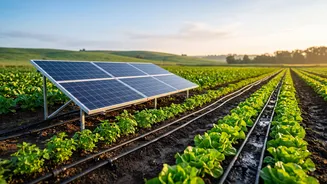
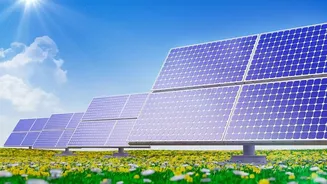
Solar drip irrigation offers a powerful two-in-one solution to these challenges. The system combines two key technologies. First, a solar water pump uses photovoltaic (PV) panels to convert sunlight into electricity, powering a pump to draw water from a well, pond, or canal. This immediately eliminates the need for diesel or unreliable grid electricity, providing free, clean energy during the day. Second, this water is then delivered to crops through a drip irrigation network. Instead of flooding fields, drip systems use a network of pipes to deliver water slowly and directly to the roots of each plant. This precision is what makes the combination so effective.
From Surviving to Thriving
The benefits of this shift are transformative. The most immediate impact is economic. By eliminating daily diesel expenses, farmers can save a significant amount of money. Studies have shown that over a decade, a solar pump can save a farmer lakhs of rupees compared to running a diesel equivalent. Reliable, daytime water availability allows for better crop planning, leading to increased yields and the confidence to diversify into higher-value cash crops like vegetables and fruits. One project in Palghar district saw cultivated land expand from just a few acres to nearly 96 acres, drastically cutting distress migration as farming became a year-round activity. The combination with drip irrigation also means huge water savings—a critical advantage in drought-prone areas—and improved soil health.
Government Schemes Paving the Way
Recognizing this potential, the government has stepped in to make the transition affordable. The high upfront cost of a solar pump system is a major barrier for small farmers. Schemes like the central government's Pradhan Mantri Kisan Urja Suraksha evam Utthaan Mahabhiyan (PM-KUSUM) and Maharashtra's own state-level initiatives provide substantial subsidies. Under PM-KUSUM, for instance, farmers may only need to pay for 10% to 40% of the total system cost, with the rest covered by central and state government subsidies and optional bank loans. This financial support makes the long-term investment economically viable, with payback periods on the farmer's contribution often being less than a year.
Challenges on the Horizon
Despite the clear advantages, the path to widespread adoption is not without obstacles. The initial investment, even with subsidies, can still be a hurdle for the most marginal farmers. There are also concerns about maintenance and the availability of technical support in remote areas for repairing panels or pumps. Perhaps the most significant long-term challenge is the risk of groundwater over-exploitation. The very effectiveness of solar pumps—providing 'free' and unlimited energy for water extraction—could lead to unsustainable water use if not paired with disciplined irrigation practices and water conservation efforts. This makes the integration with efficient methods like drip irrigation not just beneficial, but essential for long-term sustainability.