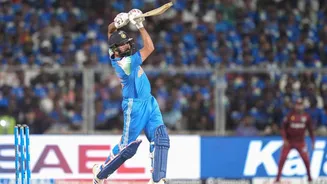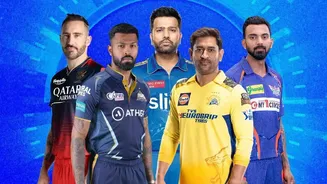

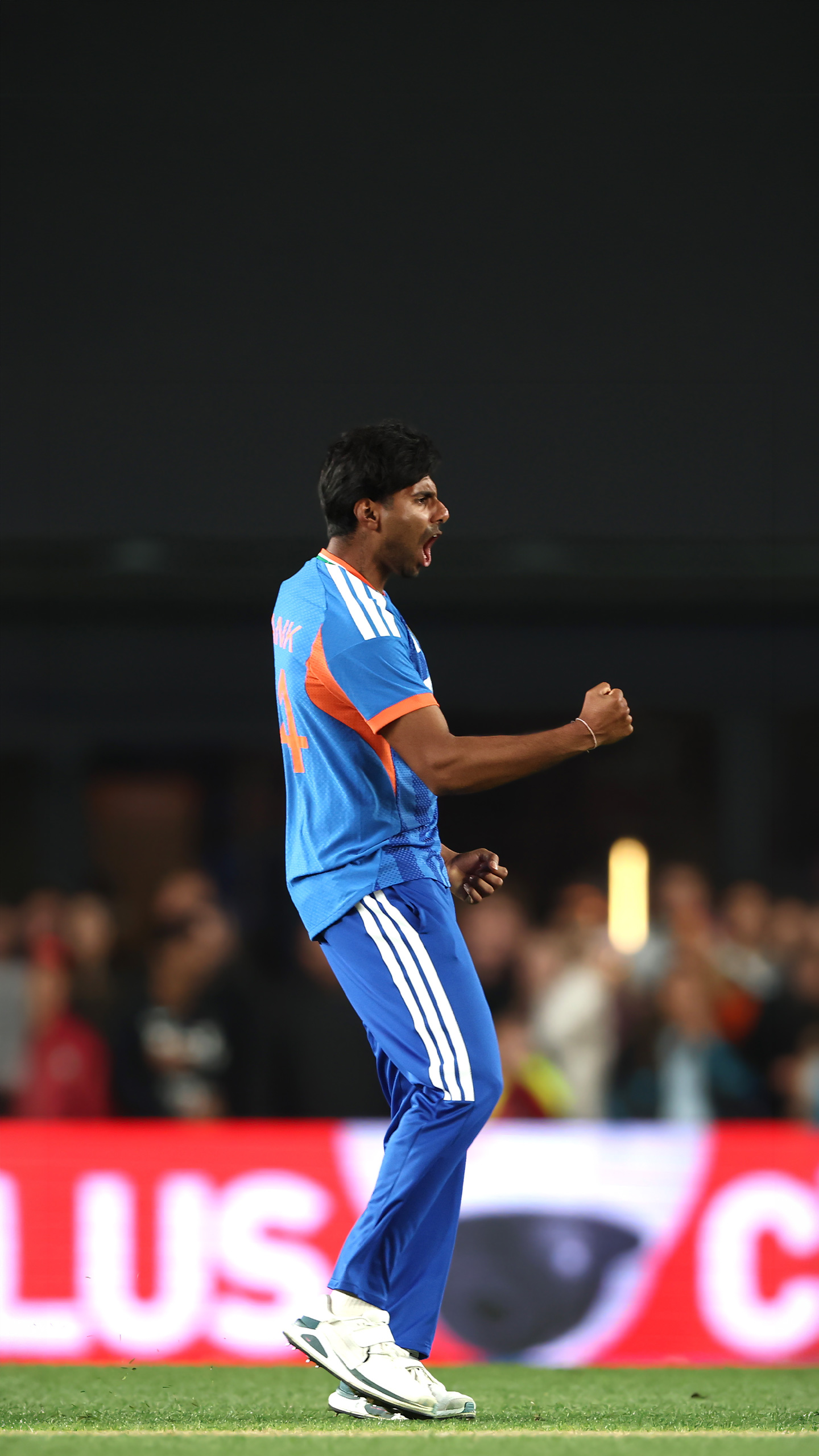

Hardik Pandya's return to Mumbai Indians has been a rollercoaster of controversy and inconsistent results. As fans look to the future, his long-term place in the squad is far from guaranteed, hinging on one pivotal, league-altering event.
A Rocky Reign as Captain
Hardik Pandya’s
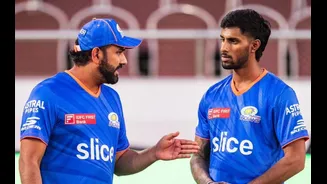
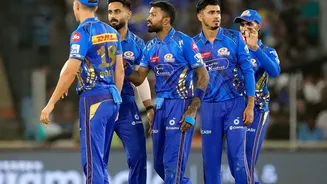
homecoming to the Mumbai Indians was meant to be a triumphant new chapter. Instead, it has been defined by turbulence. His immediate appointment as captain, replacing the beloved five-time champion Rohit Sharma, sparked a significant fan backlash that was hard to ignore. The reaction in the stadiums, including MI’s own Wankhede, was often hostile, a rare sight for a senior Indian player. The pressure was immense from day one. On the field, the results have been mixed at best. The team finished at the bottom of the table in 2024 and ninth in 2026, with a lone playoff appearance in between. For a franchise built on a legacy of winning, these seasons have been significant disappointments. Pandya himself admitted during the 2026 season that the campaign never truly gained momentum, with the team being outplayed in all departments. This period has raised serious questions about his leadership and long-term fit.
The Real Decider: The IPL Mega Auction
The single biggest factor that will determine Hardik’s future with Mumbai is the upcoming IPL Mega Auction. Unlike the annual mini-auctions, a mega auction is a near-total reset that happens every three to four years, forcing teams to rebuild their squads from the ground up. Franchises are only allowed to retain a small number of players before the auction—currently set at a maximum of six players, which can be a combination of retentions and Right to Match (RTM) cards. Everyone else goes back into the auction pool. This structural event forces team management to make ruthless, strategic decisions based on player form, value, and future potential, often overriding sentiment. The purse deductions for retained players are steep, with the first player costing as much as ₹18 Crore, severely impacting the budget for rebuilding the rest of the squad. This high-stakes process means no player, no matter their stature, is completely safe.
Mumbai's Retention Headache
When the time comes, Mumbai Indians will face a monumental retention dilemma. The franchise boasts a core of generational Indian talent, and with only a few retention spots available, the choice will be excruciating. Jasprit Bumrah, arguably the best T20 bowler in the world, is a non-negotiable retention. Suryakumar Yadav, a 360-degree batting genius, is another cornerstone of the team. Then there is Rohit Sharma, whose legacy and fan following are unparalleled, even if he is in the later stages of his career. Young talents like Tilak Varma, who has been a consistent performer, also present a strong case for being retained as a future investment. This leaves Hardik Pandya in a precarious position. Is his all-round ability and captaincy potential valuable enough to warrant a retention spot over one of these other superstars? It's a brutal numbers game where loyalty and past heroics compete with current form and future value.
Performance vs. Price Tag
Ultimately, the decision may come down to a cold, hard analysis of performance versus cost. Hardik's recent numbers have not consistently matched his high price tag. In the IPL 2026 season, he scored 206 runs at an average of 22.89 and took just four wickets with a high economy rate of 11.43. While he has had moments of brilliance, including a more successful 2025 season, the overall output since his return as captain has been below the elite standard expected of a marquee player. Team management will have to weigh if retaining him at a cost of over ₹16 Crore is a better investment than retaining another core player and trying to buy him back in the auction—a risky move that could see him poached by a rival. His all-round skills are rare, but with his bowling impact diminishing and batting lacking consistency, the value proposition is no longer as clear-cut as it once was.