


Plan Before You Prepare
The first step to reducing waste happens before you even start cooking. A little planning goes a long way in preventing the over-purchase of ingredients and the over-preparation of food. Start by getting a rough headcount of guests you expect and plan your
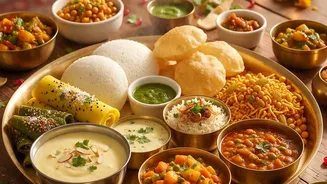
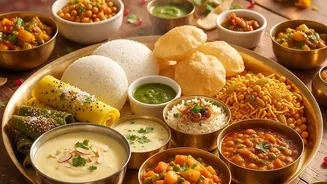
menu accordingly. This helps you create a shopping list and stick to it, avoiding impulsive buys that often go unused. Instead of making huge batches of every dish, consider cooking smaller amounts initially; you can always prepare more if needed. Guests often prefer trying smaller portions of various dishes rather than being served large quantities of just a few. This approach not only curbs waste but also allows everyone to savour the full variety of your festive spread.
Smart Storage for Sweets (Mithai)
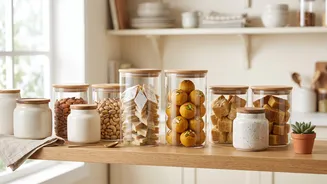
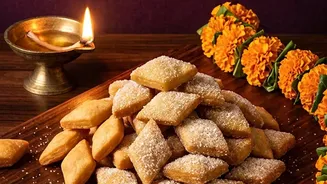
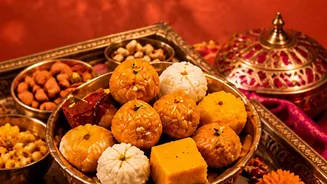
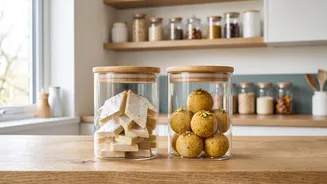
Diwali is incomplete without mithai, but different sweets require different care. The key is to separate them based on their type. Milk-based and syrupy sweets like rasgulla, gulab jamun, and barfi are moisture-heavy and should be refrigerated in airtight containers, ideally made of glass, to prevent them from spoiling. They typically last for about three to five days when stored correctly. Drier sweets such as ladoos, kaju katli, and soan papdi have a longer shelf life. Store them in separate airtight containers in a cool, dry place away from direct sunlight. Using parchment paper between layers can prevent them from sticking together and losing their shape. For long-term storage, many nut and flour-based sweets can be frozen and thawed as needed.
Keeping Savoury Snacks (Namkeen) Crunchy
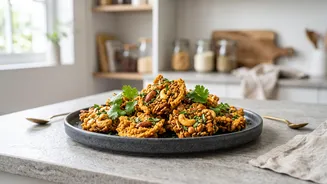
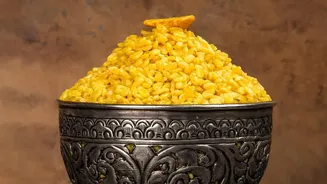
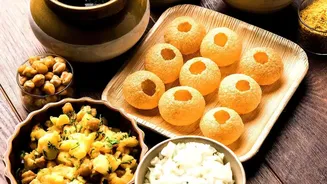
The delightful crunch of homemade namkeen like chakli, sev, and mathri is a festive highlight. To preserve that crispness, your main enemy is moisture. First, ensure all snacks are completely cool before you store them; packing them while still warm will create condensation and lead to sogginess. Airtight containers are essential. Glass or metal tins are excellent choices for keeping snacks like chakli and chivda fresh for weeks. If you've made a large batch, consider storing it in smaller containers and only opening one at a time to minimise air exposure for the entire batch. Storing them in a cool, dark cupboard is the best way to maintain their texture and flavour long after the festival has ended.
Managing Leftover Meals
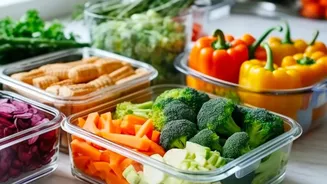
Festive feasts often leave behind a fridge full of leftovers. Proper storage here is crucial for both safety and flavour. Allow all cooked food like curries, rice, and dals to cool to room temperature before refrigerating them. Store different dishes in separate, clean containers to prevent flavours from mixing and to reduce the risk of spoilage. For items like rotis or parathas, wrap them in foil or a clean cloth and store them in a container to keep them soft. When reheating, ensure the food is heated thoroughly to a safe temperature. Well-stored leftovers can be a blessing for quick meals in the days following the festival rush, saving you time and effort while ensuring nothing goes to waste.
Get Creative with Repurposing
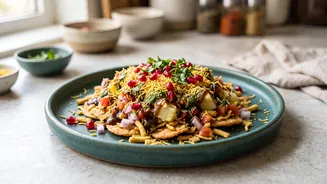
Instead of seeing leftovers as a burden, view them as ingredients for new culinary creations. This is where you can truly get innovative and reduce waste to nearly zero. Crumbled ladoos or barfis can be blended into milkshakes, used as a topping for kheer, or even incorporated into paratha fillings. Leftover soan papdi can be transformed into a creamy milkshake or used to make quick ladoos. Savoury snacks can be crushed and used as a crunchy coating for cutlets or mixed into a trail mix. Leftover curries and sabzis make excellent fillings for stuffed parathas or sandwiches, and leftover rice can be easily turned into delicious fried rice for the next day's lunch. A little creativity can give your festive food a second, delicious life.