





A Return to the Roots
For decades, mainstream Indian cuisine was often defined by a standard menu of popular North Indian dishes, easily found in restaurants worldwide. While delicious, this shorthand often overlooked the subcontinent's vast and diverse culinary landscape.
Today, there is a palpable shift. A new generation of food lovers is actively seeking out the specific, the local, and the traditional. This movement is driven by a desire to connect with family history, embrace healthier and more sustainable ways of eating, and preserve a cultural heritage that risks being forgotten. It's a culinary journey back to the source, where ingredients tell a story of a specific place, climate, and community.
The Stars of the Show: Forgotten Ingredients
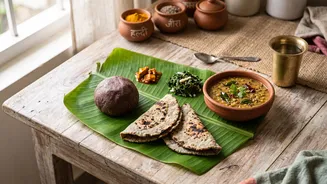
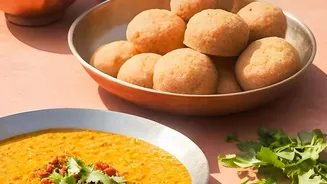
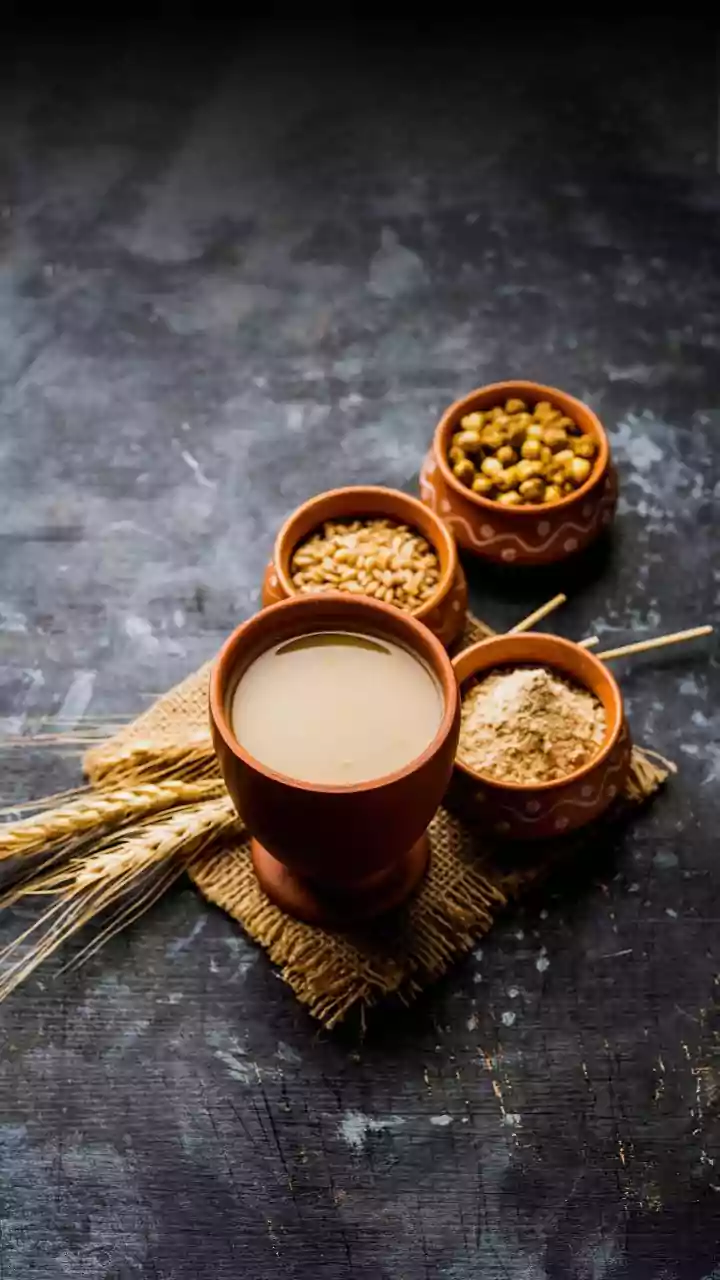
The heroes of this revival are often humble, indigenous ingredients that have been sidelined by modern agriculture and changing tastes. We're seeing a comeback of diverse millets like jowar, bajra, and ragi, celebrated not just for their resilience but for their nutritional benefits. Lesser-known vegetables like turkey berry, winged beans, and sword beans are reappearing in home kitchens. In the Himalayas, ingredients like jakhiya (a wild mustard) and mandua (finger millet) are gaining prominence. This isn't just about novelty; it's about biodiversity. By championing heirloom seeds and native produce, these home cooks are also supporting local farmers and more sustainable agricultural practices that depend less on chemicals and are better adapted to local climates.
The Digital Age of Recipe Sharing
This revival is being powered by the digital age. Social media platforms like Instagram and YouTube have become virtual encyclopedias for regional Indian cooking. Food bloggers and home cooks are now the new custodians of culinary tradition, sharing recipes that were once passed down only through oral tradition. Creators like Dipali Khandelwal of 'The Kindness Meal' are on a mission to document and preserve over a thousand native ingredients and vanishing recipes, from jadi ber ki chai to sweet palivade. These digital archivists are not just sharing instructions; they are sharing the stories, memories, and cultural context behind each dish, making them accessible to a global audience. A single video can introduce millions to a dish they've never heard of, creating curiosity and demand.
More Than Just a Meal
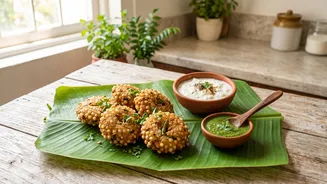
Cooking these traditional recipes is an act of preserving cultural identity. For many, it's a way to feel grounded in a rapidly changing world. When someone in a different country prepares a dish from their ancestral village, they are not just making food; they are tasting a memory and keeping a connection to their roots alive. This revival is also challenging the restaurant-driven narrative of what Indian food is. It's showing the world that Indian cuisine is not monolithic but a rich tapestry of thousands of local flavours. From the delicate vegetarian dishes of a Tamil Brahmin kitchen, documented in classic cookbooks like 'Samaithu Par', to the rustic chickpea curries of Punjab, home cooks are putting the incredible diversity of India's culinary heritage back on the map.