


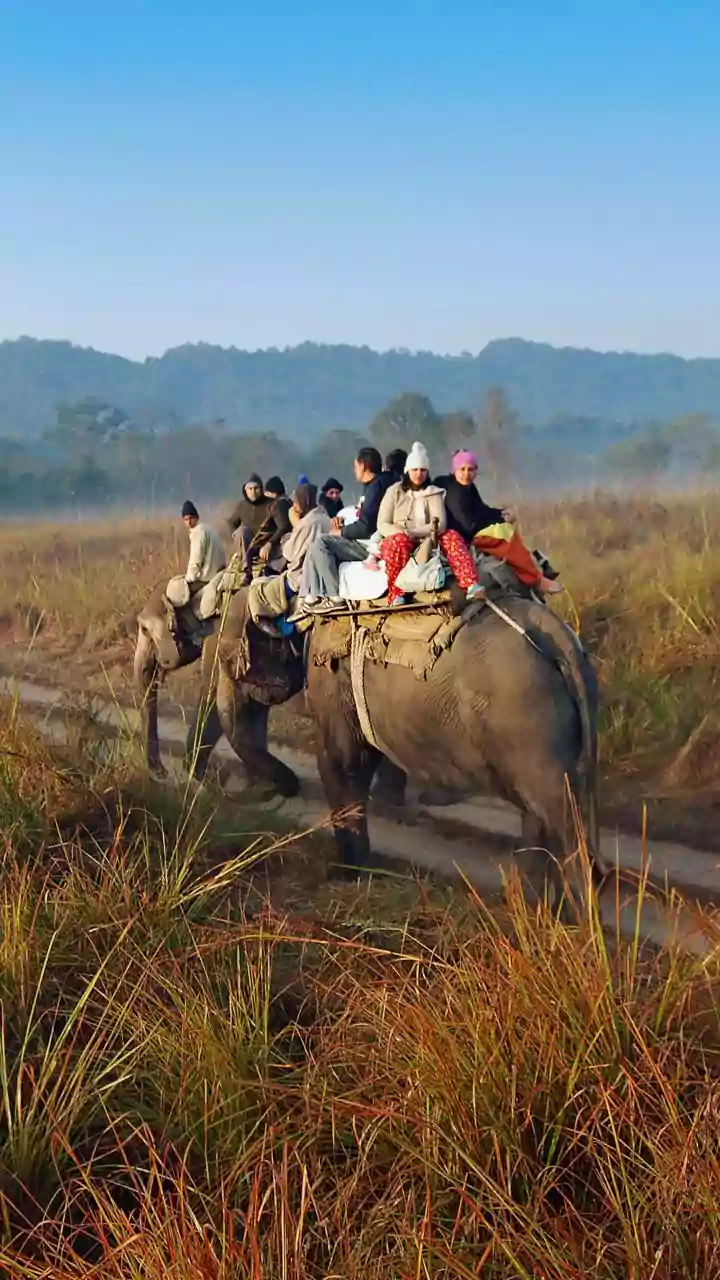






Why Choose an Eco-Honeymoon?
A honeymoon is the first big adventure you embark on as a married couple, and today, more couples want that adventure to be a positive one—not just for them, but for the planet. A sustainable or eco-honeymoon is about choosing destinations and accommodations
that prioritise environmental conservation, support local communities, and offer an immersive connection with nature. It’s about indulging in luxury that doesn’t cost the earth. Instead of a generic resort experience, you get intimate, thoughtfully designed lodges, expert-led wilderness tours, and the profound satisfaction of knowing your romantic getaway is making a difference. Central India, with its vast, protected forests and world-class eco-lodges, is a leading destination for this new wave of conscious travel.
Satpura National Park: For the Adventurous Couple
Often called Central India’s best-kept secret, Satpura National Park in Madhya Pradesh offers a more diverse safari experience than just a jeep ride. Here, you can embark on walking safaris, go canoeing in the Denwa River, or take a boat safari to spot crocodiles and myriad bird species. The landscape is a stunning tapestry of sandstone peaks, dense forests, and deep gorges. For honeymooners, this means days filled with quiet adventure and nights spent in secluded lodges that blend seamlessly into the environment. Properties like Forsyth Lodge are pioneers in sustainable tourism, employing local guides, running conservation projects, and operating with a minimal footprint. A stay here offers private starlit dinners and the thrill of tracking leopards on foot with an expert naturalist—a truly bonding experience.
Bandhavgarh National Park: Tigers and Tranquility
If seeing a tiger in the wild is on your bucket list, Bandhavgarh is the place to be. It boasts one of the highest densities of tigers in India, making sightings highly probable. But beyond the thrill of the chase, Bandhavgarh offers an atmosphere of ancient mystique, with a 2,000-year-old fort perched on a cliff overlooking the forest. For honeymooners, this translates to magical moments. Imagine a romantic breakfast in the bush after a morning safari or relaxing in a private villa with a plunge pool overlooking the wilderness. Eco-lodges in this area, such as those run by Pugdundee Safaris, focus on a 're-wilded' experience. They use eco-friendly materials, have strict waste management policies, hire from surrounding villages, and work to reduce human-animal conflict, ensuring that tourism directly benefits the tiger’s habitat.
Kanha National Park: The Kipling Connection
The sprawling sal and bamboo forests of Kanha National Park are said to have inspired Rudyard Kipling's 'The Jungle Book'. It’s a place of incredible biodiversity, home not only to tigers but also the magnificent barasingha (swamp deer), which was saved from extinction by conservation efforts right here. A honeymoon in Kanha is a journey into a storybook landscape. The experience is less about ticking off a checklist and more about immersing yourselves in the rhythm of the jungle. Stay at a lodge like Shergarh Tented Camp, where luxury meets rustic charm. Their commitment to sustainability is evident in everything from their locally sourced food to their support for local artists and low-impact safari practices. You can spend your days on safari and your evenings listening to the sounds of the jungle from the comfort of your private tent—an unforgettable start to your life together.
Pench National Park: Across State Lines
Straddling the border of Madhya Pradesh and Maharashtra, Pench National Park is another gem that inspired Kipling. The Pench River meanders through the park, creating a lifeline for its diverse wildlife, including a thriving leopard population, wild dogs, and of course, tigers. The terrain is a mix of teak forest and open grasslands, offering beautiful vistas. For couples, it’s a destination that balances thrilling safaris with serene moments of relaxation. Eco-lodges around Pench are known for their beautiful architecture that respects the local vernacular and environment. They often feature farm-to-table dining, using produce grown in their own organic gardens. Activities extend beyond safaris to include bird-watching walks, village visits, and cycling tours, allowing you to connect with the region’s culture and landscape on a deeper, more personal level.