



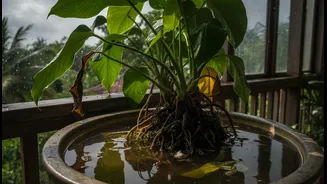


The Myth of Miraculous Rain
The first assumption is that constant rain equals happy plants. While the monsoon provides consistent moisture, it’s a blessing that can quickly become a curse for potted herbs. Unlike plants in the ground, balcony containers have limited drainage. Continuous
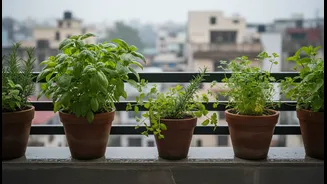
rain can lead to waterlogged soil, which suffocates roots by pushing out essential oxygen. This is the leading cause of root rot, a condition where roots turn mushy and can no longer support the plant. The result? A plant that wilts and yellows despite being in soaking wet soil. Most herbs, especially Mediterranean varieties like rosemary and oregano, prefer their soil to dry out slightly between waterings. The relentless dampness of the monsoon is the opposite of the well-drained conditions they evolved in.
The Overlooked Power of Drainage
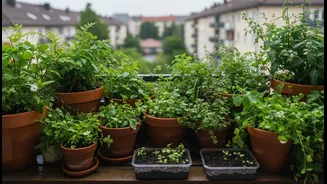
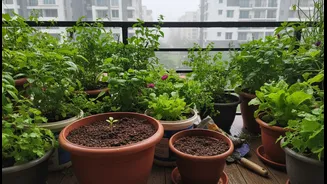
A successful balcony garden during the monsoon is less about watering and more about un-watering. The single most critical factor is excellent drainage. A standard pot with a single hole might not be enough to handle a torrential downpour. Gardeners should ensure their pots have multiple, clear drainage holes. Elevating pots on bricks or 'pot feet' can make a huge difference, allowing water to escape freely and preventing the container from sitting in a puddle. The soil itself is the next line of defence. Heavy garden soil will turn to concrete-like mud. A proper potting mix, amended with cocopeat for aeration and sand or perlite for drainage, is non-negotiable. This creates a soil structure that holds moisture but allows the excess to drain away immediately.
Sunlight: The Non-Negotiable Element
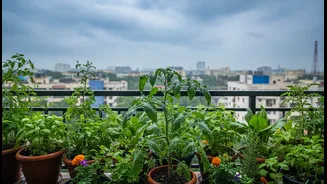
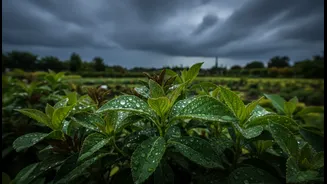
Bengaluru's monsoon is synonymous with grey, overcast skies. While the rain is plentiful, the sunlight is not. This is a critical challenge because most popular culinary herbs are sun-worshippers. Basil, rosemary, thyme, and oregano require at least six hours of direct sunlight to thrive, developing the essential oils that give them their potent flavour and aroma. With less sun, these plants become 'leggy'—stretching desperately towards the light with long, weak stems and sparse, pale leaves. Their flavour will be a shadow of what it should be. While some herbs like mint and parsley are more tolerant of partial shade, even they need consistent bright light, which can be a scarce commodity on a cloudy day.
An Invitation for Pests and Fungi
The high humidity and constant dampness that define the monsoon create a paradise for fungal diseases and pests. Powdery mildew, a white dusty coating on leaves, thrives in these conditions. Similarly, the perpetually wet soil is a breeding ground for fungus gnats, whose larvae feed on plant roots. Splashing rain can also spread fungal spores from the soil onto the leaves, making prevention difficult. Diligent management is key. This includes ensuring good air circulation between plants, removing any affected leaves immediately, and considering a preventative spray of neem oil every week or two. Rain doesn't wash problems away; it often brings new ones to your doorstep.
Smarter Herb Choices for Success
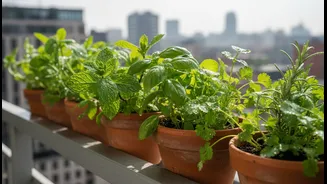
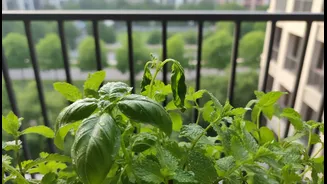
So, should you abandon your balcony gardening dreams until the sun returns? Not at all. The secret is to work with the season, not against it. This means choosing the right herbs. Moisture-loving plants like mint, coriander (dhaniya), and lemongrass often do very well. Tulsi, a staple in Indian households, can also thrive provided it’s shielded from the heaviest downpours and has excellent drainage. For sun-loving herbs like basil, it might be a season to manage expectations. They may not be as lush or productive as they are in the winter sun, but with care, they can survive. The monsoon is an excellent time for growth, but it asks for a more observant and responsive gardener—one who understands that for balcony herbs, rain is only one small part of a much bigger equation.