


A Below-Normal Monsoon in 2026
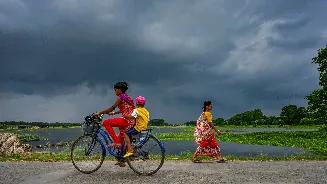
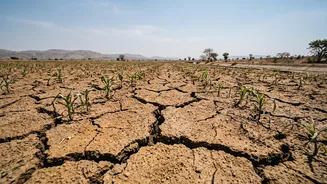
This year's southwest monsoon has been weaker than usual. Weather agencies like the India Meteorological Department (IMD) and Skymet had forecast a below-normal season, largely influenced by developing El Niño conditions. Forecasts suggest that rainfall
in September is also likely to be below the long-period average for the country as a whole. While some regions in the northwest and northeast may see normal rain, the overall picture is one of a deficit. This performance has direct implications for the water available to us in the post-monsoon and winter months, making household-level monitoring more critical than ever.
Keep an Eye on Reservoir Levels
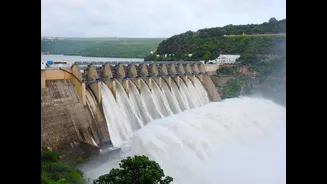
The single most important indicator of water security for the next six to nine months is the water level in India's major reservoirs. The Central Water Commission (CWC) monitors these levels weekly. A below-average monsoon means these reservoirs, which supply water for drinking, agriculture, and industry, may not have been fully replenished. For example, a report from early September noted that the Mettur reservoir in Tamil Nadu was at just over half its total capacity. Households can stay informed by checking the CWC's website or following updates from their local municipal water authority. Low reservoir levels often signal the possibility of water cuts or supply rationing in the near future.
Monitor Your Water Quality
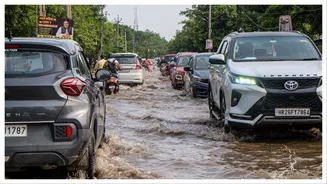
The end of the monsoon season can bring a new set of problems related to water quality. Heavy runoff during rains can wash pollutants like garbage, agricultural waste, and sewage into water sources. This can lead to contamination of piped water systems and groundwater. After the rains subside, changes in water pressure and supply can stir up sediment in pipes, resulting in turbid or discoloured water. It's wise to be vigilant about the clarity, smell, and taste of your tap water. Using a basic home filter or boiling drinking water is a prudent measure, especially as waterborne illnesses like typhoid, cholera, and gastroenteritis often peak during and immediately after the monsoon. Recent studies have also highlighted concerns about heavy metal contamination in groundwater post-monsoon in some coastal areas.
The State of Groundwater and Borewells
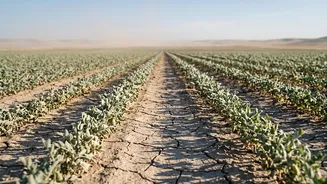
Millions of households, particularly outside major urban centres, depend on groundwater from borewells and wells. A weak monsoon directly impacts the rate of groundwater recharge. With rainfall being the primary source for replenishing aquifers, a deficit season means these underground sources may not be as full as they should be. This can lead to borewells running dry earlier than expected in the summer months. If your household relies on a borewell, now is the time to start using that water judiciously. Avoid wastage and consider implementing simple rainwater harvesting techniques, like directing rooftop runoff into recharge pits, to help replenish the local groundwater table for future use.
Conservation Starts Now
With a potentially challenging water situation ahead, conservation cannot wait until the crisis hits. The habits formed now will determine how well households cope with potential shortages. Simple actions can make a significant difference. Fix all leaking taps and pipes immediately—a small drip can waste a surprising amount of water over time. Reduce water usage in daily chores; for instance, don't leave the tap running while brushing teeth or washing dishes. If possible, reuse 'grey water' from washing vegetables or from water purifiers for gardening or cleaning floors. These small, conscious efforts, when adopted by many, can significantly reduce the strain on municipal supplies and local water sources.