


Puttu and Kadala Curry
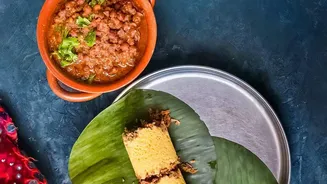
A breakfast of champions, Puttu is a unique dish of steamed cylinders of ground rice layered with grated coconut. It’s made in a special mould called a 'puttu kutti' which gives it its signature shape. The texture is soft and crumbly, and it’s a wholesome
way to start the day. It's most famously paired with Kadala Curry, a fragrant and spicy curry made from black chickpeas (kala chana) cooked in a roasted coconut gravy with onions and spices. The combination is a beloved staple across Kerala, offering a perfect balance of subtle, earthy rice and robust, spicy curry.
Appam with Stew
Appam is a culinary work of art. It’s a type of pancake made from a fermented rice batter and coconut milk, with crispy, lace-like edges and a soft, fluffy centre. Traditionally cooked in a shallow pan called an 'appachatti', the batter is swirled to create its distinct bowl shape. Appam is typically served with a mild and aromatic stew, known locally as 'ishtu'. This creamy dish, often made with chicken, mutton, or a mix of vegetables like potatoes and carrots, is cooked in a coconut milk base with gentle spices like green chillies, ginger, and curry leaves. The subtle sweetness of the appam perfectly complements the fragrant, savoury stew.
Idiyappam with Egg Curry
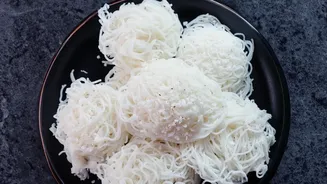
Known as 'string hoppers' in English, Idiyappam consists of delicate, thin noodles made from rice flour dough pressed through a mould and then steamed. The result is a light, airy, and versatile dish that's popular for both breakfast and a light dinner. Its mild flavour makes it an excellent vehicle for a variety of side dishes. While it pairs beautifully with sweetened coconut milk or a simple vegetable kurma, one of the most classic combinations is with a spicy egg curry (Mutta Roast). The rich, onion-tomato masala of the egg roast provides a flavourful contrast to the plain, soft noodles.
The Grand Sadya
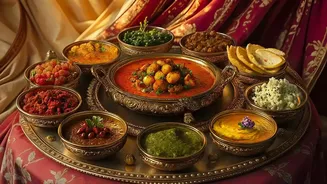
More of an experience than a single dish, the Sadya is a traditional vegetarian feast that represents the pinnacle of Keralan hospitality. Served on a banana leaf, a Sadya can feature anywhere from 20 to over 30 different items, each with its designated spot on the leaf. It’s a perfectly balanced meal featuring parboiled rice accompanied by an array of dishes like Sambar, Avial (mixed vegetables in a coconut-yoghurt gravy), Thoran (stir-fried vegetables with coconut), Olan (gourd in coconut milk), and various pickles and chutneys. The meal concludes with delicious sweet payasams (puddings), making it a truly unforgettable culinary event.
Karimeen Pollichathu
A true delicacy from the backwaters, Karimeen Pollichathu is a dish that showcases Kerala's abundance of fresh seafood. 'Karimeen', or pearl spot fish, is a speckled fish native to the region. For this preparation, the fish is first marinated in a blend of spices like chilli powder, turmeric, and pepper, and then shallow-fried. It's then coated in a thick, spicy masala of onions, tomatoes, and fresh spices, wrapped tightly in a banana leaf, and steamed or pan-fried. This cooking method seals in the moisture and infuses the fish with the smoky aroma of the leaf, creating a tender and intensely flavourful dish.
Malabar Parotta with Beef Fry
A crowd-pleaser and a star of Malabar cuisine, the Kerala Parotta (or Malabar Parotta) is a layered flatbread made from maida (refined flour). Known for its flaky, soft, and chewy texture, making it involves a skillful process of kneading, rolling, and folding the dough to create its many layers. While delicious with any curry, the most iconic pairing is with a spicy beef fry. The deeply flavourful, slow-roasted beef, rich with spices, onions, and coconut slivers, is the perfect counterpoint to the soft, absorbent parotta. This combination is a beloved comfort food found in 'thattukadas' (street-side eateries) and restaurants across the state.
Thalassery Biryani
While India has many famous biryanis, the Thalassery version from the Malabar coast stands apart. What makes it unique is the use of a special, small-grained, fragrant local rice called Kaima or Jeerakasala, instead of the long-grained basmati. The flavour profile is also distinct; it’s less about fiery heat and more about the aroma of spices like fennel, star anise, and cinnamon. The chicken or mutton masala is cooked separately and layered with the rice, then slow-cooked in a sealed pot ('dum' style) with fried onions, cashews, and raisins. This process allows the flavours to meld together, resulting in a moist, rich, and aromatic one-pot meal.