




The Humid Problem
The connection between monsoon and foodborne illnesses is simple: moisture. The warm, humid air of the Indian monsoon provides the perfect environment for harmful microorganisms like bacteria, fungi, and viruses to thrive and multiply rapidly. This moisture-heavy
air accelerates the spoilage of many foods, particularly fresh produce. Common foodborne pathogens like E. coli and Salmonella flourish in these conditions, increasing the risk of illnesses such as gastroenteritis, food poisoning, and typhoid. While a crisp salad or a bowl of fresh fruit seems like a healthy choice, these items carry a higher risk during the rainy season because they aren't cooked, a process that would otherwise kill these dangerous germs.
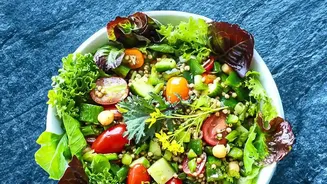
The Risk in Raw Salads
Leafy green vegetables like spinach and lettuce, common ingredients in salads, grow close to the soil and can be contaminated with dirt and microbes. The high humidity during the monsoon makes it easier for these germs to stick to the leaves and multiply. Simply rinsing them may not be enough to eliminate the risk. Experts often advise against consuming raw salads from outside sources, like restaurants or street vendors, during this season due to the uncertainty of their hygiene practices and water sources. If you must have a salad, it is far safer to prepare it at home with vegetables that have been washed meticulously.
Safe Salad Preparation at Home
Enjoying salads during the monsoon is possible with extra care. Always start by washing your hands thoroughly with soap and water before handling any food. For vegetables, a simple rinse isn't enough. Wash all produce under clean, running potable water. For an extra layer of safety, you can soak vegetables in a bowl of water with a splash of white vinegar or in salt water before a final rinse; this helps to dislodge stubborn germs and pesticide residues. Another safe alternative is to switch to cooked or steamed salads. Steaming vegetables before consumption effectively kills most pathogens while retaining a good portion of their nutrients. Prepare your salad just before you plan to eat it to minimise its exposure to the humid air.
Handling Fruits with Care
Like raw vegetables, pre-cut fruits sold by street vendors or in markets pose a significant health risk during the monsoon. Once the protective peel is broken, the flesh is exposed to the airborne moisture and bacteria, which can lead to rapid contamination. It is always better to buy whole fruits and cut them yourself at home, right before you intend to eat them. Wash all fruits thoroughly under clean running water, even those with inedible peels like bananas and pomegranates, as contaminants on the skin can be transferred to the flesh by the knife during cutting. Store whole fruits in a clean, dry place or in the refrigerator to slow down spoilage.
General Kitchen Hygiene
Maintaining kitchen hygiene is paramount during the monsoon. Prevent cross-contamination by using separate chopping boards and utensils for raw produce and cooked foods. Ensure your kitchen counters and equipment are cleaned and sanitised regularly. It is also wise to clean your refrigerator more frequently, as mould can grow more easily in the humid conditions. Store leftovers in airtight containers and refrigerate them promptly. When reheating, ensure the food is heated thoroughly. Finally, always drink boiled or filtered water and be wary of ice from unknown sources, as contaminated water is a major source of monsoon illnesses.