



1. Mochar Ghonto (Banana Flower)
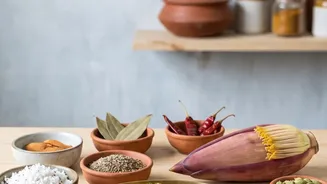
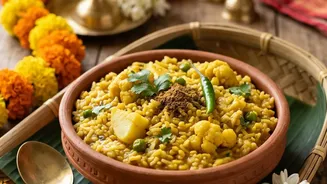
In Bengal, resourcefulness is a key ingredient, and nothing proves it more than Mochar Ghonto. The 'mocha', or banana blossom, is the large, purple, tear-drop-shaped flower that hangs at the end of a banana bunch. Preparing it is a labour of love, involving
the careful separation of the tiny florets inside. The dish itself is a semi-dry, mashed preparation, where the finely chopped blossom is cooked with potatoes, grated coconut, and a host of aromatic spices like cumin and ginger. It’s a vegetarian delight with a unique, slightly astringent taste and a texture that some compare to artichoke hearts, showcasing how every part of the banana plant is treasured in Bengali kitchens.
2. Nadru Yakhni (Lotus Stem)
Pulled from the muddy beds of Kashmir's famous lakes, Nadru, or the lotus stem, is as central to Kashmiri Pandit cuisine as potatoes are to the rest of India. Unlike a heavy korma, Nadru Yakhni is a delicate and fragrant curry. The lotus stem, with its beautiful, lace-like cross-section, offers a delightful crunch that’s somewhere between a water chestnut and a tender root vegetable. It’s simmered gently in a pale, yogurt-based gravy (the 'yakhni') that is subtly flavoured with fennel, dry ginger, and cardamom. This dish is a testament to the elegant simplicity of Kashmiri cooking, best enjoyed with a bowl of plain steamed rice.
3. Lingri ki Sabzi (Fiddlehead Fern)
Venture into the Himalayan foothills of Himachal Pradesh in the spring, and you might find locals foraging for Lingri. These are the coiled, bright green shoots of the fiddlehead fern, a wild vegetable that tastes like a mix of asparagus and green beans. Known as 'kasrod' in Jammu and 'lungdu' in other parts of Himachal, these ferns are a seasonal delicacy. The sabzi is typically a simple stir-fry, often prepared with mustard oil, cumin seeds, and sometimes a bit of curd to finish. This short-season treat is packed with nutrients and offers a true taste of the Himalayan forests.
4. Gucchi Pulao (Morel Mushrooms)
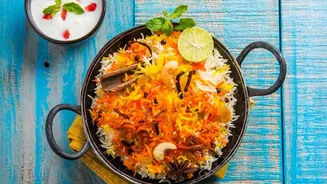
One of the most prized and expensive ingredients in the world, the Gucchi or morel mushroom, grows wild in the forests of Kashmir and Himachal Pradesh. These elusive fungi have a unique, honeycomb-like appearance and a deep, earthy, and nutty flavour. Gucchi Pulao is a luxurious dish where the flavour of the morels is the star. The dried mushrooms are rehydrated, and their intensely flavourful soaking water is used to cook the basmati rice, infusing every grain with their rich, umami essence. Gently spiced, this pulao isn't about overpowering flavours but about celebrating a rare gift from nature.
5. Bhaang ki Chutney (Hemp Seeds)
Before you jump to conclusions, let's be clear: this chutney from the hills of Uttarakhand is not intoxicating. It’s made from roasted hemp seeds, a nutritious ingredient packed with protein and healthy fats, not the psychoactive leaves of the plant. The seeds are dry-roasted until they pop, releasing a wonderfully nutty aroma. They are then ground into a coarse paste with fresh mint, coriander, green chillies, and a sharp tang from lemon juice or tamarind. The result is a creamy, nutty, and zesty condiment that is a staple in Kumaoni and Garhwali thalis, perfectly complementing dals and rotis.
6. Patrode (Colocasia Leaves)
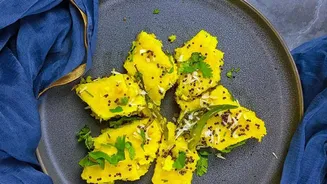
A monsoon delicacy from the coastal regions of Karnataka, Patrode consists of large, edible colocasia (or taro) leaves. These leaves have a tendency to be itchy, so they are carefully de-veined and slathered with a thick, spiced paste made from rice flour, grated coconut, jaggery, and tamarind. The leaves are then layered, rolled into tight logs, and steamed. The cooked rolls are sliced into pinwheels, which can be eaten as is with a drizzle of coconut oil, or shallow-fried until crisp. It’s a delightful snack that balances sweet, sour, and spicy flavours.
7. Mahua Sabzi/Pua (Mahua Flower)
The Mahua flower holds sacred significance for many tribal communities in Central and Eastern India. These fleshy, fragrant flowers fall from the tree at dawn and are collected to be used in numerous ways. While famously used to make a local brew, they are also a cherished food source. When dried, they taste somewhat like raisins and can be used to make sweet dishes like 'pua' (a type of fritter) or a 'sheera'. They can also be cooked into a savoury 'bhaji' or sabzi, where their natural sweetness is balanced with spices. The flower is a symbol of the deep connection between forest communities and nature's bounty.
8. Murungai Keerai Thoran (Moringa Leaves)
Often called a 'miracle tree', every part of the moringa or drumstick tree is useful, but its tiny leaves (murungai keerai) are a powerhouse of nutrition. In South India, especially Kerala and Tamil Nadu, these leaves are transformed into a simple yet delicious 'thoran'. A thoran is a style of stir-fry where the main ingredient is cooked with a tempering of mustard seeds and chillies, and finished with a generous amount of grated coconut. The slightly bitter, astringent moringa leaves cook down quickly and are perfectly balanced by the sweetness of the coconut, making it a staple side dish served with rice.