





A lush balcony garden is a joy, but discovering tiny pests munching on your leaves can be disheartening. Before reaching for harsh chemicals, consider two powerful, natural allies: neem oil and simple soapy water.
Why Choose Natural Solutions?
In a compact home environment like an
apartment with a balcony, using synthetic pesticides can be a concern for the health of your family and pets. Natural, biodegradable options are safer and better for the immediate environment. They break down quickly without leaving harmful residues in your pots or soil. Solutions like soapy water and neem oil target pests effectively while being gentle on the ecosystem of your mini-garden, and they are less likely to harm beneficial insects if applied correctly.
Your First Defence: Soapy Water Spray
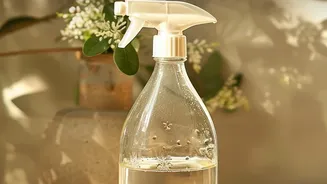
A simple solution of soap and water is often the first and easiest step in pest control. It is most effective against small, soft-bodied insects like aphids, mealybugs, and spider mites. The soap works by disrupting the insects' outer protective layer, causing them to dry out and die. To make a spray, mix about one teaspoon of mild liquid soap—like castile soap or a gentle dish soap free of degreasers and bleach—into one litre of water. It is crucial to use a true soap, not a detergent, as detergents can be harsher on plants.
The Powerhouse Protector: Neem Oil
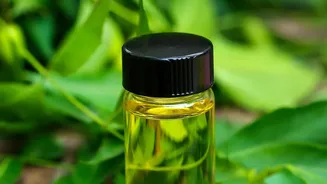
Derived from the seeds of the neem tree, native to the Indian subcontinent, neem oil is a cornerstone of organic gardening. Its primary active compound, azadirachtin, works in multiple ways: it acts as a repellent, deters pests from feeding, and disrupts their hormonal systems, preventing them from growing and reproducing. This makes it effective against a wide range of pests including aphids, whiteflies, spider mites, caterpillars, and mealybugs. It can also help manage fungal issues like powdery mildew and black spot by preventing spores from germinating.
How to Prepare and Apply the Sprays
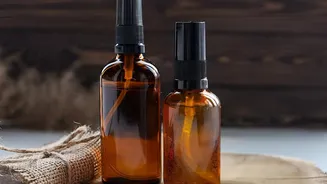
For a neem oil spray, you need an emulsifier to mix the oil with water. A standard recipe is one teaspoon of cold-pressed neem oil and half a teaspoon of mild liquid soap per litre of warm water. Shake the mixture vigorously and use it within a few hours, as it loses potency.When applying either spray, always test on a small leaf and wait 24 hours to check for sensitivity. Apply in the early morning or late evening, as spraying in direct sunlight can burn the leaves. Be thorough, ensuring you coat the undersides of leaves where pests love to hide. For an active infestation, reapply every 5-7 days. For prevention, a spray every couple of weeks is sufficient.
Important Precautions to Remember
While these natural sprays are largely safe, some plants can be sensitive. Plants with delicate or hairy leaves, such as certain herbs like parsley and dill, some ferns, and succulents, may react poorly. Always perform a patch test before spraying an entire plant. Over-application can also damage foliage, so follow the recommended frequencies. Using 100% pure, cold-pressed neem oil will give you the best results, as it contains the highest concentration of the active ingredient azadirachtin. Remember, these sprays work on contact, meaning they have no residual effect once dry, which is good for beneficial insects but means reapplication is key for pest control.