





What is HIIT?
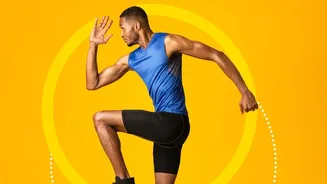
High-Intensity Interval Training (HIIT) is a workout style that involves short, intense bursts of exercise followed by brief periods of rest or lower-intensity movement. Think of it as a work-rest cycle: for example, 30 seconds of all-out sprinting followed by 60
seconds of walking, repeated for 15-20 minutes. The goal is to push your heart rate to 80% or more of its maximum during the intense intervals. This approach makes HIIT workouts incredibly time-efficient, often lasting just 10 to 30 minutes.
The Case for HIIT
For the time-crunched professional, HIIT's biggest advantage is its efficiency. You can achieve significant cardiovascular benefits in a fraction of the time compared to longer workouts. HIIT is also famous for the 'afterburn effect', scientifically known as Excess Post-exercise Oxygen Consumption (EPOC). This means your metabolism stays elevated, burning more calories for hours after you've stopped exercising. Beyond calorie burn, HIIT is excellent for improving heart health and endurance. However, its high-intensity nature means a greater risk of injury, especially for beginners or those with joint issues, so proper form is crucial.
What is LISS?
Low-Intensity Steady-State (LISS) is the opposite of HIIT. It involves performing aerobic activity at a low-to-moderate intensity for a continuous, often longer, period. Think of a brisk walk, a steady bike ride, or a relaxed swim where you maintain a consistent pace for 30 to 60 minutes. With LISS, the goal is to keep your heart rate in a lower zone, around 50-65% of your maximum, where you can comfortably hold a conversation. It's a less demanding form of exercise that has been a staple of fitness routines for decades.
The Case for LISS
LISS is significantly gentler on the body, making it an excellent starting point for beginners or those with injuries. The lower impact and stress on the joints mean recovery is quicker. While it may not have the dramatic afterburn of HIIT, LISS is effective for improving endurance and teaching the body to use fat as a fuel source. Another key benefit, especially for desk workers, is stress reduction. The steady, meditative nature of a long walk or bike ride can improve mental well-being and help unwind after a stressful day.
Making the Right Choice for You
The best choice depends entirely on your goals, fitness level, and personal preference. If your primary goal is to burn the maximum calories in the minimum amount of time, and you enjoy pushing your limits, HIIT is a fantastic option. If you're new to exercise, prefer a more relaxed pace, or are looking for an activity that aids in recovery and stress relief, LISS is likely a better fit. For many people, the ideal solution isn't choosing one over the other, but combining them. You could perform two HIIT sessions per week for their metabolic benefits and supplement them with two or three LISS sessions for endurance and active recovery.