










The Midnight Munchies Phenomenon
The traditional 9 p.m. dinner is becoming a thing of the past for many young Indians. Food delivery platforms have seen late-night orders, particularly between 11 p.m. and 3 a.m., double over the past year. While major sporting events like the FIFA World
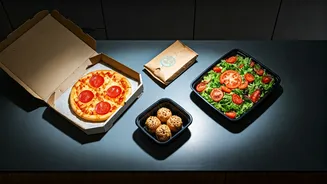
Cup have caused recent spikes of 12-15%, industry executives confirm that even before this, demand had already grown by 10-12% annually. This isn't a fleeting trend but a structural change in daily routines. The most popular late-night orders are pizzas and burgers, with metro cities like Bengaluru, Hyderabad, and Mumbai leading the charge. However, the trend is not limited to the big cities; emerging markets like Surat, Thiruvananthapuram, and Patna are also seeing significant growth in late-night order volumes.
The New Workday: From 9-to-5 to 9-to-Never-Off
A primary driver of this shift is the evolution of work culture. For many young professionals, the lines between work and personal life have blurred. Longer working hours, the rise of the gig economy, and hybrid work models mean the professional day no longer ends at a fixed time. This has a direct impact on meal schedules. As one McDonald's executive noted, the sleep timings for young consumers have shifted to 2 a.m. or even 3 a.m., fundamentally changing when they eat. Some companies have even extended their operations, with some fast-food outlets now staying open until 3 a.m. or even 6 a.m. to cater to this new nocturnal demand.
Reclaiming Time: The Rise of 'Revenge Bedtime Procrastination'
Beyond demanding jobs, there’s a psychological reason for staying up late: 'revenge bedtime procrastination'. This is the act of sacrificing sleep for leisure time that feels stolen from a packed day. After hours spent on work, commuting, and other responsibilities, the quiet late-night hours become the only personal time available for many. For some, especially those living in multi-generational homes, late night offers a rare moment of privacy and autonomy. Ordering a favorite meal, catching up on a series, or simply scrolling through social media becomes a way to decompress and reclaim a sense of self, even at the cost of sleep. This desire for personal time is a powerful motivator behind the late-night ordering boom.
More Than Just Food: The On-Demand Night Economy
The trend isn't just about restaurant meals. Quick-commerce platforms are also seeing a surge in late-night activity. Demand for items like ice cream, frozen snacks, and chocolates spikes during these hours. This indicates a broader shift towards an on-demand, 24/7 lifestyle, where convenience is key. With some operators keeping their 'dark stores' operational around the clock, consumers are getting used to the idea that they can get almost anything they want, whenever they want it. This reflects a deep integration of digital platforms into the daily fabric of life, where apps are the first port of call for everything from a meal to a midnight snack.
A Cultural Shift with Lasting Impact
The move towards later meal times is more than just a quirky trend; it's a reflection of a generation's priorities and pressures. Gen Z and millennials in India are redefining workplace norms, valuing flexibility, purpose, and work-life balance, even if that balance is found late at night. They are digital natives who have grown up with on-demand services and expect that level of convenience in all aspects of their lives. As this generation becomes a larger part of the workforce, their habits are likely to become the new normal. Food delivery platforms and restaurants are already adapting, recognizing that the late-night window is no longer a niche market but a core part of their business.