






The Data Behind the Declaration
The claim comes from the India Pet Care Market Report 2023-24 by Pet Connect, which provides a comprehensive look at the country's evolving relationship with its companion animals. The report’s findings are clear: Mumbai leads the nation in the sheer
number of pet cats. While dogs still dominate the overall pet landscape in India, the surge in cat ownership, particularly in dense urban centres, is a significant trend. The report highlights that megacities like Mumbai and Delhi are at the forefront of this shift, together accounting for a substantial portion of the nation's pet population. This crowning of Mumbai isn't just a quirky headline; it's a data-backed observation of a deep-seated cultural and social evolution in India's financial hub.
An Apartment-Dweller's Perfect Companion
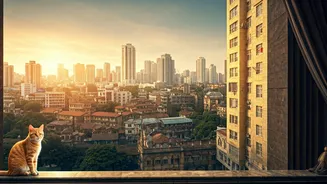
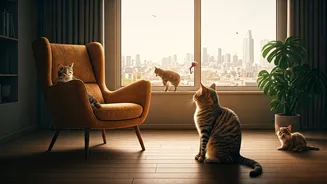
So, why Mumbai? The answer lies partly in the city's very structure. Mumbai is a city of apartments, high-rises, and compact living spaces. For many residents navigating demanding work schedules and smaller homes, a cat is a far more practical companion than a dog. Cats are independent, require less space, and don't need daily walks in a city where open, green spaces are a premium. Their quiet and self-sufficient nature makes them an ideal fit for the fast-paced, often solitary, lifestyle of young professionals and nuclear families. As more millennials and Gen Z individuals postpone marriage or choose to live alone, the low-maintenance companionship a cat offers has become increasingly appealing, providing affection without the logistical challenges of dog ownership.
Beyond the Home: A City of Community Cats
The story of Mumbai's feline dominance extends beyond just pets. The city has a long-standing, well-documented culture of caring for community cats. From the famous felines lounging at Marine Drive to the neighbourhood strays lovingly fed by residents in housing societies across the city, cats are an integral part of Mumbai's urban fabric. These semi-feral cats occupy a unique space between wild and domesticated, cared for by a network of feeders and animal lovers. This widespread acceptance and community care normalises their presence and fosters a cat-friendly environment. For many Mumbaikars, their first interaction with a cat isn't a pedigreed pet but the friendly stray in their building compound, creating a city-wide familiarity and affection that naturally translates into higher adoption rates.
The New Face of Indian Pet Ownership
Mumbai's status as the 'cat capital' is also a reflection of a broader, nationwide trend. The COVID-19 pandemic accelerated pet adoption across India as people sought companionship during lockdowns. While this initially saw a boom in both dog and cat adoptions, cats have seen sustained growth in popularity. Social media has played a huge role, with endless streams of cat videos and influencer pets demystifying their behaviour and showcasing their affectionate side, challenging old superstitions that once cast them in a negative light. Animal welfare organisations and shelters have also done tremendous work in promoting the adoption of local Indian cat breeds ('indies'), further boosting their numbers in urban homes. This shift represents a move towards a more diverse pet culture, one where companionship is valued in all its forms.