

More Than Just Abstinence
In India, a vrat is far more than simply skipping meals. It is a period of spiritual discipline intended to purify the body and mind. The word itself comes from Sanskrit and implies a vow or resolve. While some fasts involve complete abstinence from food
and water, many prescribe a specific diet designed to support a state of spiritual alertness and physical lightness. This is where the concept of 'vrat ka khana' or fasting food comes into play, a distinct cuisine governed by a fascinating set of ancient rules that dictate what can and cannot be consumed. The goal isn't deprivation, but mindful consumption.
The Sattvic Diet Philosophy
At the heart of vrat food choices is the Ayurvedic concept of three 'gunas' or qualities: Sattva, Rajas, and Tamas. Sattvic foods are considered pure, light, and calming, promoting clarity and peace. Think of fresh fruits, milk, most vegetables, and yogurt. Rajasic foods, like onions, garlic, coffee, and spicy dishes, are stimulating and can lead to restlessness or agitation. Tamasic foods, such as stale items, meat, and processed foods, are believed to induce dullness and lethargy. Since the purpose of a vrat is to achieve a sattvic state of mind for prayer and meditation, the diet is designed to exclusively include sattvic foods.
The 'Forbidden' and 'Allowed' Lists
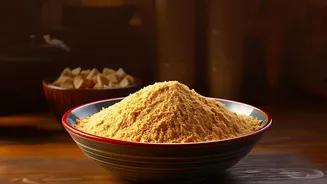
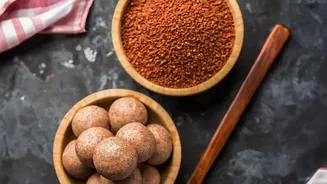
The rules of vrat create two distinct categories of ingredients. Grains like wheat and rice, lentils, and most processed items are typically avoided. A key reason is that they are considered 'anna' (grains) which can be heavy on the digestive system. Onions and garlic are famously excluded due to their rajasic (stimulating) properties. Regular processed table salt is also swapped out. On the allowed list are fruits, dairy products, tubers like potatoes and sweet potatoes, and a unique category of 'pseudo-grains' such as buckwheat (kuttu), amaranth (rajgira), and water chestnut flour (singhara). These are not technically grains and are easier to digest, providing sustained energy without making one feel heavy or sluggish.
The Curious Case of Rock Salt
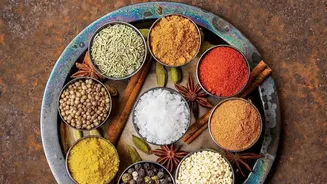
One of the most steadfast rules of vrat cooking is the use of 'sendha namak' or rock salt, instead of regular table salt. This isn't an arbitrary substitution. From an Ayurvedic perspective, sendha namak is considered the purest form of salt. It is unprocessed and is believed to have a cooling effect on the body, which complements the light nature of fasting foods. In contrast, commercially produced iodized salt is seen as more heating and chemically processed, placing it outside the 'pure' criteria required for a vrat diet. This simple switch is a perfect example of how every detail in vrat cooking is deliberate and rooted in tradition.
A Unique Culinary Tradition
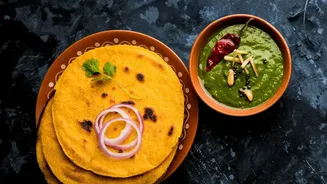
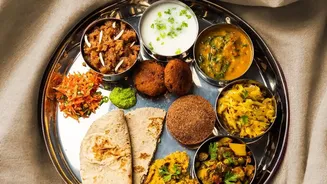
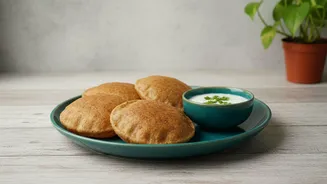
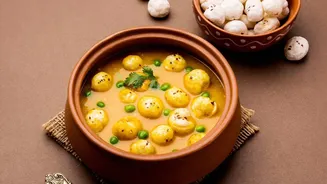
These strict rules have not led to a bland or boring diet. Instead, they have fostered a remarkably creative and delicious culinary tradition. An entire genre of recipes, from Sabudana Khichdi and Kuttu ki Puri to Singhare ka Halwa and Makhana Kheer, exists specifically for fasting days. These dishes showcase Indian culinary ingenuity, transforming a limited palette of ingredients into a wide array of textures and flavours. For many, the arrival of a festival like Navratri is as much about spiritual observance as it is about getting to enjoy these special and much-loved meals that are only prepared during these specific times of the year.