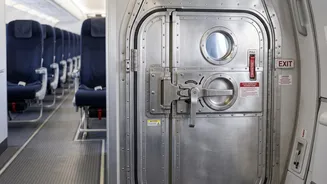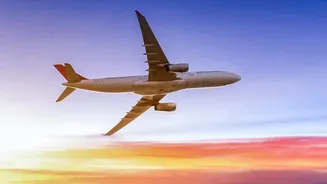






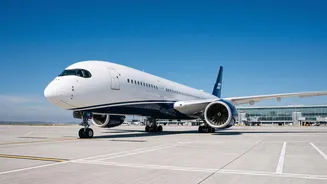
You’ve just stepped off the plane, and as you walk down the jet bridge, you might glance back to see it being disconnected. It can feel abrupt, as if the aircraft is immediately being sealed off. What exactly happens in that small window of time?
The Turnaround Begins
The moment
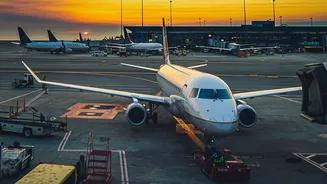
the last passenger disembarks, the clock starts on what is known in the aviation industry as the 'turnaround'. This is a highly choreographed and time-sensitive process involving multiple teams working in parallel to prepare the aircraft for its next flight. For many short-haul flights, airlines aim to complete this entire process in as little as 30 to 45 minutes. The reason for this speed is simple: an aircraft on the ground isn't generating revenue. Efficient turnarounds are crucial for keeping schedules on time and costs down. The first step is securing the aircraft. Once the engines are off, ground crews place chocks around the wheels to prevent movement and establish a safe zone for the work ahead.
Securing and Servicing the Cabin
As soon as the cabin is clear of passengers, the crew conducts a swift security search for any suspicious or forgotten items. Simultaneously, an army of cleaners boards the aircraft, often working from both ends and meeting in the middle. They vacuum floors, wipe down tray tables, armrests, and screens, and thoroughly clean and restock the lavatories. While cleaning is underway, catering trucks pull up to the doors on the right side of the plane, which is typically reserved for servicing. Used food and drink trolleys are removed and replaced with freshly stocked ones for the next set of passengers. This entire operation is a race against time, with cleaning teams on some low-cost carriers tasked with making the cabin presentable again in under 20 minutes.
Refueling and Ground Operations
Outside on the ramp, the area becomes a hive of activity. Baggage handlers unload incoming luggage and cargo while simultaneously loading bags for the next departure. Refueling is one of the most critical and often longest parts of the turnaround, so it begins as soon as possible. While some regulations permit passengers to be on board during refueling under strict safety protocols, many operations perform this task after everyone has disembarked. Ground crews also service the lavatory and potable water systems, ensuring everything is ready for the next journey. Each vehicle and team has a specific role and position to maintain safety and efficiency in a congested space.
Essential Maintenance and Safety Checks
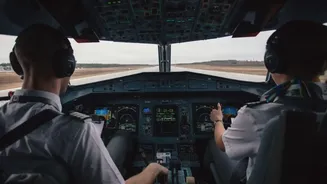
While the more visible activities of cleaning and catering are happening, pilots and maintenance engineers are performing vital safety inspections. This includes a transit or preflight check, which involves a visual walkaround of the aircraft to inspect the fuselage, wings, tires, and engines for any signs of damage, leaks, or wear. Technicians will check and top off fluid levels for oil and hydraulics. They also run system tests and review the aircraft's technical log to address any reported defects from the previous flight. These checks are mandatory to ensure the aircraft is airworthy and safe for its next departure.