







The Undeniable Link Between Movement and Rest
The idea that exercise helps sleep is not new, but scientists are continually refining our understanding of why. Physical activity has several direct effects on your body that promote better rest. It helps regulate your internal body clock, or circadian
rhythm, which tells your body when to be awake and when to wind down. Exercise can also help decompress the mind and reduce levels of stress hormones like cortisol, which can otherwise interfere with sleep. Furthermore, physical activity triggers the release of endorphins, which can lower stress and create a sense of well-being conducive to rest. One key mechanism is body temperature; exercise raises your core temperature, and the subsequent cooling period that follows mimics the natural temperature drop that helps initiate sleep.
Frequency Over 'Weekend Warrior' Workouts
Recent research from the University of Texas at Austin has highlighted a crucial element for sleep quality: consistency. The study found that people who exercised more frequently—ideally every day—experienced better sleep quality, particularly the deep, restorative non-REM sleep that is vital for physical and mental recovery. This suggests that spreading your activity throughout the week is more beneficial for sleep than packing it all into one or two intense sessions. The good news is that it doesn't require a huge time commitment. The study noted that even as little as 10 minutes of moderate activity per day made a noticeable difference for the young adults studied. This reinforces the idea that building a consistent habit is more important than the duration of any single workout.
Finding the Right Type of Exercise
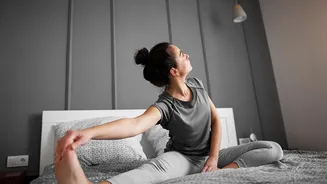
While most forms of exercise are beneficial, recent analyses are providing a clearer picture of what might be best. A large 2024 network meta-analysis that reviewed 58 different trials found that a combination of aerobic and resistance training often produced the best overall improvements in sleep quality. However, other studies have shown different types of exercise may excel in specific areas. Aerobic exercises like brisk walking, running, or cycling are particularly effective for reducing stress and improving how you perceive your sleep quality. Resistance training, such as lifting weights or bodyweight exercises, has been shown to be effective at improving sleep efficiency (the amount of time you're actually asleep in bed) and reducing the time it takes to fall asleep. Other forms of exercise, including Pilates and yoga, have also been shown to significantly improve sleep, with some analyses suggesting Pilates may be one of the most effective interventions.
The Question of Timing
A long-held belief is that exercising in the evening can disrupt sleep. However, a growing body of evidence suggests this isn't necessarily true for everyone. For most people, moderate-intensity exercise in the evening does not negatively affect sleep, provided it concludes at least 60 to 90 minutes before bedtime. This window allows your core body temperature and heart rate to return to levels that are conducive to sleep. In fact, some people report sleeping even better after an evening workout. The key is to avoid very high-intensity exercise within an hour of your intended bedtime, as the sustained elevated heart rate and body temperature can delay sleep onset. Ultimately, experts encourage individuals to listen to their own bodies. If you find an evening workout leaves you feeling energised, it may be best to shift your activity to earlier in the day.