






The Kitchen: A Surprising Hub for Germs
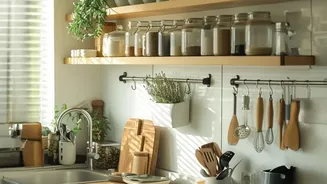
While many people assume the bathroom is the dirtiest room in the house, numerous studies show the kitchen is often the bigger culprit. It’s a place of constant activity, moisture, and, most importantly, food. The combination of raw ingredients, food preparation,
and high-touch surfaces creates a perfect breeding ground for bacteria like Salmonella and E. coli. The kitchen sink, for example, frequently contains more bacteria than a toilet bowl due to lingering food particles and moisture. Sponges and dishcloths are also notorious germ hotspots, with one study finding that over 75% contain coliform bacteria. To keep this critical area safe, focus on daily sanitization of the sink, faucet handles, and countertops. Use separate cutting boards for raw meat and produce, and replace sponges frequently or sanitize them daily by running them through a dishwasher cycle or microwaving them while damp.
The Entryway: Your Home’s First Line of Defense
Every time someone walks through your front door, they bring a little bit of the outside world with them. Your entryway acts as a filter for everything from dirt and dust to pollen, pesticides, and countless other pollutants. Without a proper system, these contaminants are tracked further into your living spaces, settling on floors, carpets, and furniture. A durable doormat outside can scrape off the initial layer of grime, while another mat inside can catch finer particles. Implementing a strict “no shoes in the house” policy is one of the most effective ways to drastically reduce the amount of dirt and germs brought inside. For regular maintenance, vacuuming or sweeping the entryway floor several times a week is essential. Pay close attention to doorknobs and light switches in this area, as they are among the most frequently touched surfaces in any home and can easily transfer germs.
Shared Rooms: High-Traffic, High-Touch Zones
Living rooms, family rooms, and other communal areas are where life happens. They are also where germs are most easily shared among family members and guests. While these spaces may not deal with food contamination like a kitchen, they are filled with high-touch items that everyone uses. Think about remote controls, video game controllers, light switches, and shared electronics like tablets. These objects are rarely cleaned but are handled constantly, making them prime real estate for bacteria and viruses. Upholstered furniture and throw pillows can also trap dust, allergens, and dander, affecting indoor air quality. To manage these shared spaces, make it a habit to regularly wipe down all high-touch surfaces with a disinfectant wipe. Vacuum upholstery weekly using an appropriate attachment, and wash throw blankets and pillow covers to keep dust and allergens at bay.
A Strategic Approach to a Cleaner Home
Prioritizing your cleaning routine around these three key areas doesn’t mean neglecting the rest of your house. Rather, it’s about allocating your time and energy where they will have the greatest impact on your family’s health and well-being. By focusing daily and weekly efforts on the kitchen's sanitation, the entryway's barrier function, and the shared rooms' high-touch surfaces, you create a baseline of cleanliness that makes the entire home feel more manageable. This targeted strategy helps prevent the spread of germs, reduces allergens, and controls clutter before it gets out of hand. It transforms cleaning from a reactive chore into a proactive, strategic practice for maintaining a healthier home environment.