

The End of Checklist Tourism
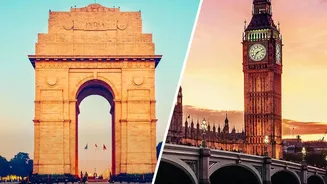
For decades, travel was often a race against time—a checklist of monuments to be photographed and ticked off. Paris meant the Eiffel Tower; Agra meant the Taj Mahal. But a significant shift is underway. Indian travellers are increasingly moving away from
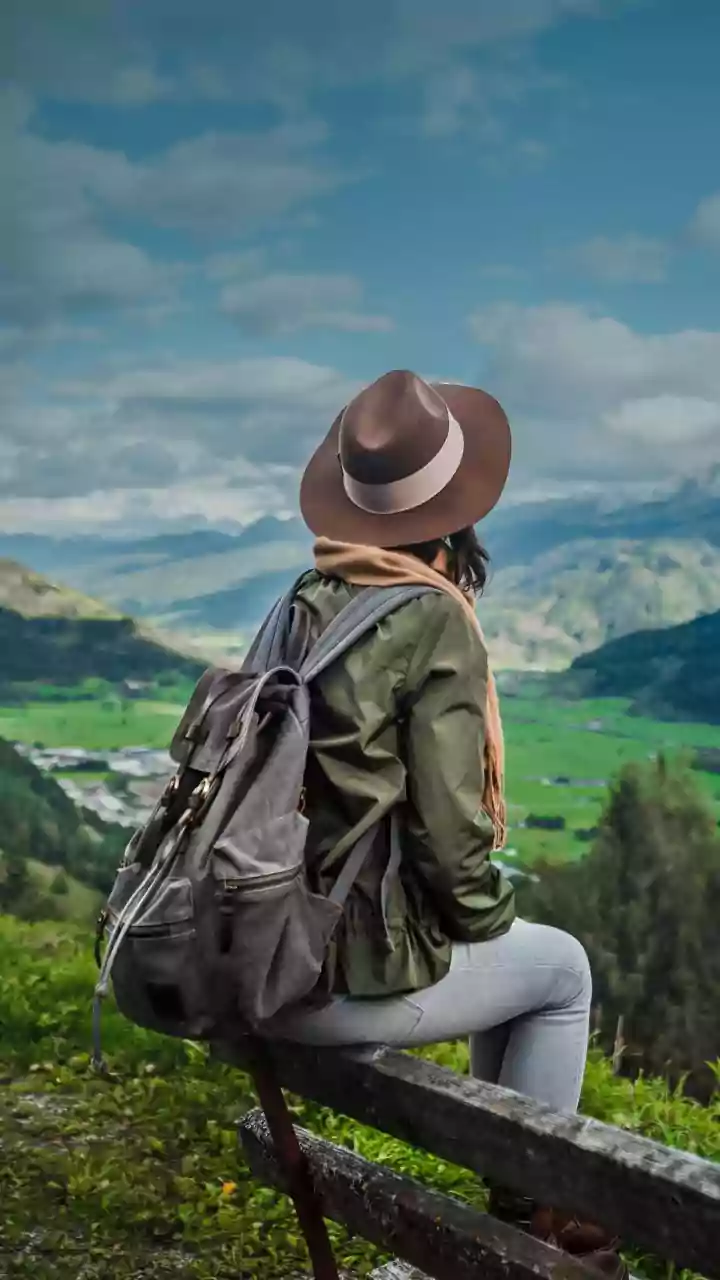
this model of passive sightseeing towards what the industry calls “experiential travel.” This isn't just a buzzword; it's a change in mindset. Instead of asking “What can I see?”, the modern Indian traveller is asking, “What can I do?”. The new priority is immersion—participating in cooking classes, attending local festivals, staying in village homestays, or learning a traditional craft. Recent reports confirm this trend, with one survey finding that 67% of Indians now plan holidays specifically around cultural experiences like heritage, festivals, and food.
What's Driving the Shift?
Several factors are fuelling this evolution. A growing middle class with increased disposable income is one major driver. But it goes deeper than just economics. Younger generations, particularly Gen Z and millennials, are expressing a strong desire for authenticity and personal growth over material possessions. Many report feeling burnt out from high-pressure urban lifestyles and are seeking holidays that offer relaxation and genuine connection. Social media also plays a complex role. While it can create pressure to visit picturesque spots, it also exposes travellers to unique, offbeat experiences they might not have otherwise discovered, from trekking in Himachal's Tirthan Valley to exploring the white salt flats of the Kutch Desert. This digital-savvy generation is using technology to research and plan trips that align with their personal interests, rather than following a pre-set tourist trail.
From Sightseeing to 'Sense of Place'
This new travel philosophy is about cultivating a “sense of place.” Instead of a quick trip to Goa’s beaches, travellers might book a homestay to learn about Kodava culture in Coorg or participate in a block-printing workshop in Rajasthan. Internationally, it means skipping the whirlwind European tour of five countries in seven days for a two-week stay in a single Portuguese fishing village, learning to cook from locals and becoming a regular at the neighbourhood cafe. This approach, often called “slow travel,” prioritizes depth over breadth. It’s about creating lasting memories and stories, not just collecting photos. Destinations like Ziro Valley in Arunachal Pradesh, the artists' colony of Andretta in Himachal, and the serene backwaters of Kerala are gaining popularity for offering these kinds of immersive opportunities.
The Rise of Homestays and Boutique Stays
This trend has also transformed accommodation preferences. Impersonal hotel chains are often being passed over in favour of homestays and boutique properties that offer a direct window into the local way of life. Staying with a local family provides unparalleled insight into regional cuisines, customs, and hidden gems that aren't in any guidebook. In India alone, the homestay segment has seen explosive growth, driven by travellers seeking these authentic connections. These accommodations are no longer just a budget alternative; they are a deliberate choice for those who want to experience a destination as a temporary local rather than a tourist. This shift also has a positive economic impact, empowering local communities and allowing homeowners to become micro-entrepreneurs.