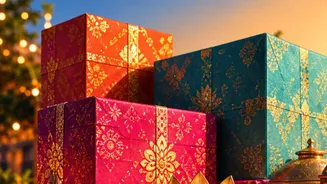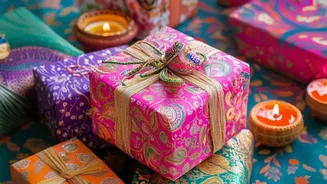







This Diwali, the traditional box of sweets is making way for potted plants and digital subscriptions. A new generation of Indian shoppers is redefining festive gifting, prioritising conscious choices and long-term value over single-use items.
A Cultural Shift from Consumption to Consciousness
The very
idea of a perfect Diwali gift is changing. For many young Indians, the focus is shifting from extravagant displays to more meaningful exchanges. This move is less about budget and more about a change in mindset. Gen Z and millennial shoppers are increasingly driven by their values, which include a strong preference for authenticity and social responsibility. Instead of gifts that are opened and quickly forgotten, they are choosing items that are either useful, long-lasting, or kind to the planet. This reflects a broader trend away from reflexive, traditional consumption and towards more deliberate, conscious purchasing that aligns with their personal principles.
The Growing Appeal of Practicality
One of the key drivers of this trend is a simple question: 'Will they still enjoy this after Diwali is over?' This focus on utility has made practical gifts incredibly popular. Instead of another decorative item that might end up in a drawer, shoppers are opting for things people will genuinely use. This includes everything from high-quality home goods like reusable ceramic mugs and carafe sets to kitchen gadgets, wellness products like eye massagers, and even skincare hampers. The logic is that a gift that solves a small daily problem or fits seamlessly into a person's routine is a more thoughtful and less wasteful gesture than a purely ornamental one. Digital gifts, such as subscriptions to OTT platforms, online courses, or e-vouchers, also fit this trend, offering experiences over physical clutter.
Sustainability Is the New Premium
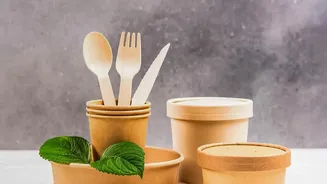
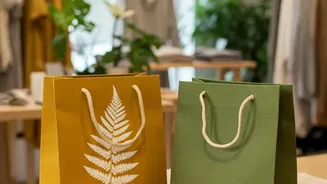
Environmental awareness is no longer a niche concern; for many young Indians, it's a core value. The uncomfortable relationship between festive celebrations and waste—from plastic packaging to single-use decorations—has led many to seek out greener alternatives. This has fuelled a demand for eco-friendly gifts, a trend that has seen a sharp growth in interest over the past five years. Popular eco-conscious gifts include indoor plants in terracotta pots, handmade clay diyas that can be reused, and products made from sustainable materials like bamboo, jute, or cork. Even traditional gifts are getting a sustainable makeover, with sweets presented in wooden keepsake boxes and dry fruits in baskets designed for a second life as home organisers. This commitment extends to avoiding firecrackers and opting for locally-made products to reduce the celebration's carbon footprint.
Handmade and Local Storytelling
In a world of mass production, there's a growing appreciation for gifts with a personal touch and a compelling story. Young shoppers are increasingly drawn to indie brands and local artisans who create unique, handcrafted items. Gifting a handmade product—whether it's an upcycled-flower incense stick, a wooden decor piece from Wayanad, or an illustrated postcard from a Chennai-based artist—is seen as a way to support small businesses and give something with character. These gifts are valued not just for the item itself, but for the story behind them, the craftsmanship involved, and the connection to a local community. This trend champions authenticity and helps make the act of giving more personal and memorable.