








The Rise of Risk in Rapid Delivery
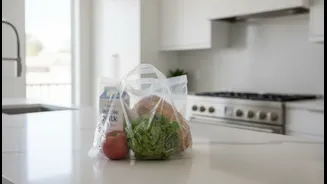
Quick-commerce platforms have transformed urban life in India, but their speed can introduce safety risks. Recent reports and consumer complaints highlight issues like the delivery of rotten produce, expired packaged goods, and items with fungal growth.
The core of the problem often lies in the 'dark stores'—the small, local warehouses that power 10-minute deliveries. These facilities face immense pressure to fulfill orders quickly, which can sometimes lead to lapses in hygiene, improper storage, and failure to maintain the cold chain for perishable items like milk, meat, and frozen foods. Unlike traditional supermarkets, these stores aren't open to the public, making it impossible for consumers to assess their conditions firsthand.
Your First Line of Defence: The At-the-Door Check
Your diligence begins the moment the order arrives. If possible, inspect items while the delivery person is still present. Pay close attention to perishables. Do cold items like yoghurt or milk feel cold to the touch? Are frozen products still solid? Check the seals on packaged goods to ensure they haven't been tampered with. Look for visible signs of damage, mould, or contamination on fresh produce. Also, quickly check the 'best before' or expiry dates on items like bread, dairy, and packaged snacks. The Food Safety and Standards Authority of India (FSSAI) has regulations requiring products to have a significant portion of their shelf life remaining upon delivery. If something seems off, you have the right to refuse it.
Evidence is Everything: How to Document Your Case
If you discover a problem after the delivery is complete, documenting it properly is crucial for a successful resolution. Platforms often require proof to process a refund or replacement. Immediately take clear photographs or a short video of the issue. Capture the problematic item, any visible spoilage or damage, the packaging, and, most importantly, the expiry date or batch number. If you're dealing with a tampered seal, a photo showing the broken seal is key. For a missing item claim, a photo of the entire received order laid out can be helpful. Keep the product and its original packaging until the issue is resolved, as the company might request to see it. Save all communication, including in-app chat screenshots and emails.
Navigating the Escalation Ladder: From App to Authority
Start with the platform's official grievance channel, which is typically an in-app chat or a customer support email address. Clearly state the problem, provide your order ID, and attach the evidence you've gathered. Be polite but firm. Under the Consumer Protection (E-Commerce) Rules, platforms are required to acknowledge your complaint within 48 hours and resolve it within a month. If the in-app support is unhelpful or unresponsive—a common frustration for many users—don't give up. The next step is to escalate. Many users find success by posting their complaints on social media and tagging the company. If that fails, you can lodge a formal complaint on the National Consumer Helpline (1915) or through its portal.
Know Your Rights as a Consumer
The Consumer Protection Act, 2019, provides a strong legal framework for online shoppers in India. You have the right to be protected from hazardous goods, the right to be informed about the quality and standard of products, and the right to seek redressal against unfair trade practices. Selling expired or unsafe food is a violation of these rights. The FSSAI also plays a critical role, setting standards for food businesses, including e-commerce platforms. These platforms and the sellers on them are required to have valid FSSAI licenses. For serious violations, you can file a complaint directly with the FSSAI, which has recently taken action against major quick-commerce players based on consumer feedback.