








The Rise of 'Skinimalism'
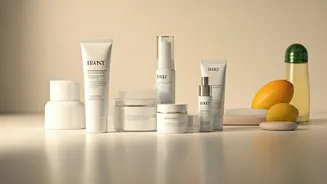
For years, the beauty world has been dominated by the idea that more is more. Influencers and brands alike championed elaborate, multi-step skincare routines, suggesting a complex ritual was the key to a perfect complexion. This K-beauty-inspired approach
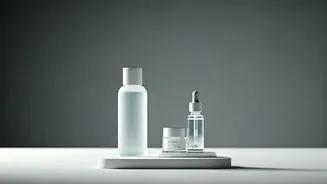
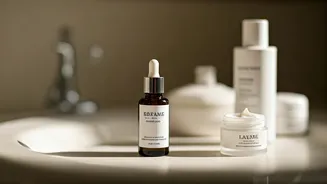
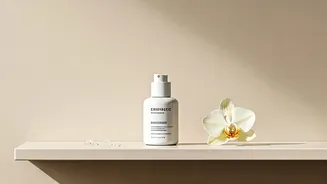
involves layering everything from cleansers and toners to essences, serums, and masks, often twice a day. The result for many has been bathroom shelves overflowing with products and a routine that feels more like a chore than self-care. In response, a quieter, more intentional movement has emerged: 'skinimalism'. This philosophy advocates for stripping back your routine to a few essential, high-performance products. It’s not about neglecting your skin, but rather about being more strategic, saving time and money, and reducing the risk of irritation.
Why Less Can Be More
Dermatologists widely agree that overloading the skin can do more harm than good. Using too many products, especially those with powerful active ingredients, increases the risk of irritation, redness, and inflammation. It can disrupt the skin’s natural protective barrier, which is crucial for keeping moisture in and irritants out. A compromised barrier can lead to a cycle of sensitivity, dryness, and even breakouts—the very issues many people are trying to solve. Furthermore, when you layer multiple products, it becomes difficult to know which ones are actually working and which might be causing problems. Some ingredients can even cancel each other out or become less effective when combined improperly. A complicated routine is also harder to stick with, and consistency is one of the most important factors for achieving real results.
The Three Non-Negotiable Steps
So, what does a simplified routine look like? Experts consistently point to a core foundation of three essential steps. First is a gentle cleanser used morning and night to remove dirt, oil, and pollutants without stripping the skin's natural moisture. Second is a moisturizer suited to your skin type—whether oily, dry, or combination—to hydrate the skin and support its barrier function. The third and most critical step for daytime is protection. Applying a broad-spectrum sunscreen with an SPF of 30 or higher every single day is the single most important thing you can do to prevent premature aging and reduce the risk of skin cancer.
Adding Targeted Treatments Wisely
Once you have the core three steps down, you can consider adding a single, targeted treatment to address your specific skin concerns. This is where the 'maybe' comes in. If you want to address issues like fine lines, hyperpigmentation, or acne, a treatment serum can be very effective. For example, a vitamin C serum in the morning can help brighten the skin and provide antioxidant protection. In the evening, a retinoid can help with signs of aging and acne. The key is to introduce new active ingredients one at a time. This allows your skin to adjust and helps you identify any potential irritation. It’s also important to avoid layering certain actives, like retinol and vitamin C, at the same time, as they can be less effective or cause irritation.
Is a Simple Routine for Everyone?
A simplified 'cleanse, moisturize, protect' routine is a great starting point for nearly every skin type. You can customize it by choosing products formulated for your specific needs, such as a lightweight gel moisturizer for oily skin or a richer cream for dry skin. However, those with specific skin conditions like severe acne, rosacea, or eczema may require a more tailored regimen prescribed by a professional. A minimalist approach doesn't mean ignoring these issues; it means seeking professional advice for targeted treatments rather than experimenting with dozens of over-the-counter products that could worsen the problem. The goal is to support your skin's health with a consistent, manageable routine that works for you.