




The Gravity of the Problem
When astronauts spend extended time in microgravity, their bodies adapt in ways that can be problematic upon returning to a gravity-rich environment. The cardiovascular system, in particular, undergoes significant changes. Without the constant pull of
gravity, the heart doesn't have to work as hard to pump blood throughout the body. This leads to a state known as cardiovascular deconditioning. Think of it as the heart and blood vessels getting a bit lazy after a long vacation from gravity. This deconditioning can result in post-flight orthostatic intolerance, a fancy term for feeling dizzy, lightheaded, or even fainting when standing up. While manageable on Earth, this could be a mission-critical failure if an astronaut experiences it while trying to land a vehicle on Mars and needs to perform tasks immediately after.
Meet the Bioastronautics Fellows
Enter the field of bioastronautics, an interdisciplinary science that combines biology, medicine, and engineering to study and support life in space. At the forefront of this research are early-career scientists, often part of programs like the Translational Research Institute for Space Health (TRISH) Postdoctoral Fellowship. These bioastronautics fellows are tasked with solving the complex health challenges of human space exploration. They come from diverse backgrounds and work in specialized labs, often supported by NASA and other institutions, to develop countermeasures that will keep astronauts safe and effective during long-duration missions. Their work is crucial for turning the ambition of becoming a multi-planetary species into a safe reality.
Recreating Reentry on Earth
To study the effects of reentry without sending people to space, scientists use sophisticated ground-based simulations. The primary tool for this is the human centrifuge. These powerful machines can spin a person at high speeds to simulate the increased gravitational forces (G-forces) experienced during launch and landing. By strapping volunteer subjects into a centrifuge and running them through acceleration profiles that mimic a spacecraft's journey, researchers can safely collect data on how the body responds. Other simulation methods include head-down tilt bed rest studies, which mimic the fluid shifts that occur in microgravity, helping researchers understand the deconditioning that happens before the high-G reentry event even begins.
Decoding Cardiovascular Clues
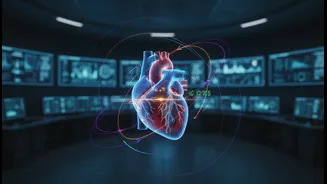
During these simulations, fellows monitor a wide array of cardiovascular performance indicators. They continuously track heart rate, blood pressure, and cardiac output. They use technologies like ultrasound to look at the structure and function of the heart and arteries, observing changes in real-time. Key indicators include blood pressure variability and signs of reduced blood volume (hypovolemia), both of which are major contributors to orthostatic intolerance. By analyzing this data, researchers can identify which individuals are more susceptible to G-force effects and test the effectiveness of different countermeasures, such as specialized exercise regimens or fluid-loading protocols before reentry. This detailed mapping of the body's response is essential for creating personalized medical support for future astronauts.
Paving the Way for the Moon and Mars
This meticulous research is not just an academic exercise; it is fundamental to the future of human spaceflight. Safely landing astronauts on the Moon and, eventually, Mars will require them to be in peak physical condition upon arrival. The work of bioastronautics fellows in understanding cardiovascular responses ensures that astronauts can withstand the brutal transition from weightlessness back to a gravity environment and be ready to work. The insights gained also have benefits on Earth. The study of cardiovascular deconditioning in astronauts provides a unique model for understanding similar conditions in bedridden patients or the elderly, potentially leading to better treatments for orthostatic intolerance and other circulatory issues back home.